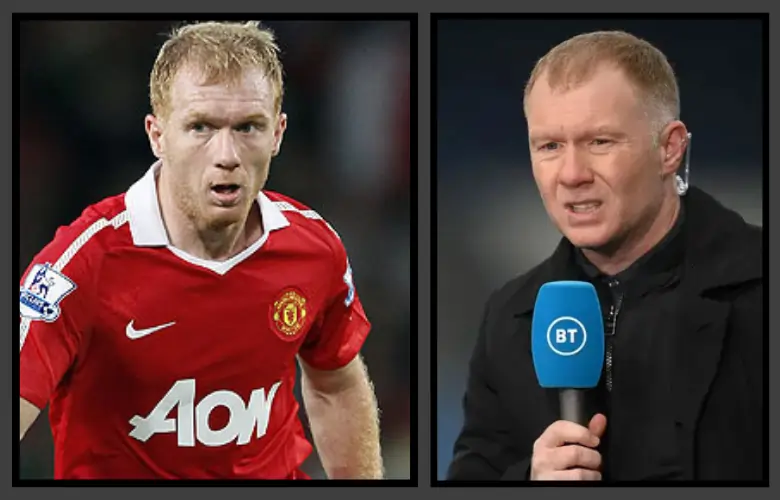
Paul Scholes is a highly revered midfielder in football who gained prominence due to his loyalty, vision, and incredible technical skills when playing for Manchester United. Throughout his long stint at the club, Paul managed to make significant contributions during an era that was considered one of the best by Manchester United under Sir Alex Ferguson. The reason why fans are interested in paul scholes net worth is that it is a tale of consistency and not of commercialism like with most present-day football stars. Unlike other players in the game today, Scholes’ finances were made from salaries and bonuses for good performance only.
Who is Paul Scholes?
Paul Scholes is a retired English professional footballer who spent his entire senior career at Manchester United. He is considered one of the most intelligent and technically gifted midfielders of his generation. Scholes made over 700 appearances for Manchester United, winning numerous Premier League titles and UEFA Champions League trophies. His ability to control games from midfield made him a key player during one of the most successful eras in the club’s history under Sir Alex Ferguson.
After retiring in 2013, Scholes moved into football punditry and became a co-owner of Salford City FC. He remains a respected voice in football analysis today. Interest in paul scholes net worth continues to grow because fans want to understand how a relatively low-profile player built long-term financial success without heavy commercial exposure.
Early Life and Football Development
Paul Scholes was born in Salford, Greater Manchester, where he developed a passion for football at a young age. He joined the Manchester United youth academy and quickly stood out due to his technical ability, intelligence, and passing accuracy. Unlike many physically dominant players, Scholes relied on reading the game, timing his passes, and finding space in midfield.
His early development at Manchester United played a major role in shaping his future career and financial stability. Once he signed his first professional contract, he began earning a steady income that would grow significantly over time. These early years formed the foundation of what would eventually become a highly stable financial journey.
Manchester United Career Earnings and Salary Growth
Scholes spent nearly two decades at Manchester United, becoming one of the most loyal players in modern football history. During his peak years, he reportedly earned between £70,000 and £80,000 per week, making him one of the top midfield earners in the Premier League during his era. His earnings increased gradually through contract renewals, performance bonuses, and club success.
Unlike modern footballers who frequently transfer between clubs, Scholes benefited from long-term stability at Manchester United. This allowed him to build consistent wealth without financial interruptions or transfer uncertainty. Most of his income came directly from football wages rather than commercial endorsements or sponsorship deals.
Main income sources during his playing career
- Weekly Manchester United salary contracts
- Performance-based bonuses for wins and trophies
- Champions League competition earnings
- Loyalty-based contract renewals
- Club success incentives
This stable income structure played a major role in building his long-term financial position.
Career Achievements and Their Financial Impact
Paul Scholes played during Manchester United’s golden era, where the club dominated both English and European football. His performances contributed to multiple trophy wins, which directly influenced his salary increases and bonus payments. Each successful season strengthened his financial position and long-term earning potential.
Over his career, Scholes achieved remarkable success, including 11 Premier League titles and 2 UEFA Champions League trophies. He also made over 700 senior appearances and scored more than 150 goals from midfield, an impressive record for a player in his position. These achievements not only defined his legacy but also contributed indirectly to his overall financial growth.
Post-Retirement Income Sources
After retiring in 2013, Scholes transitioned into football punditry, where he became a respected analyst on major sports networks such as BT Sport. His straightforward analysis style and deep understanding of the game made him a valuable media personality. This role provides him with a steady income stream even after his playing career ended.
In addition to media work, Scholes became a co-owner of Salford City FC alongside other Manchester United legends. This investment has added long-term value to his financial portfolio and keeps him actively involved in football operations. Together, these post-retirement activities continue to support and stabilize his financial position.
Key post-retirement income streams
- Football punditry and television analysis
- Ownership stake in Salford City FC
- Guest speaking engagements and events
- Occasional football-related media work
Investments and Financial Strategy
Paul Scholes is known for maintaining a conservative and disciplined financial approach. Unlike many former footballers who invest heavily in luxury businesses or high-risk ventures, Scholes prefers stability and long-term security. His most notable investment is Salford City FC, which reflects both his passion for football and his practical approach to wealth management.
He is also believed to have invested in property and savings-based financial instruments, focusing on long-term growth rather than short-term gains. This careful strategy has helped preserve and gradually grow his wealth over time without major financial risks or losses.
Lifestyle and Spending Habits
Paul Scholes is widely known for his quiet and private lifestyle. Unlike many high-profile footballers, he avoids luxury branding, public attention, and extravagant spending. His focus has always been on family life and football rather than media exposure or celebrity status.
He lives a relatively simple lifestyle compared to other football legends, preferring privacy and stability over fame. This disciplined approach to spending has played an important role in maintaining his financial security over the years. His lifestyle choices reflect long-term thinking rather than short-term luxury.
Net Worth Breakdown and Financial Overview
The structure of Scholes’ wealth is primarily built on football earnings, followed by media work and investments. His career stability and lack of frequent transfers allowed him to build consistent long-term wealth without major financial disruptions.
Estimated breakdown of wealth sources:
- Football salary (Manchester United): ~70%
- Media and punditry work: ~15%
- Investments and ownership: ~10%
- Endorsements and extras: ~5%
Key financial statistics:
- Estimated net worth: $25 million (£20 million)
- Peak weekly salary: £80,000
- Career span: 19 years
- Total professional appearances: 700+ matches
This structure shows how his wealth was built mainly through football consistency rather than commercial branding.
Comparison With Other Football Legends
When compared to modern football stars like Cristiano Ronaldo or Lionel Messi, Scholes’ net worth is relatively modest. This is largely due to differences in football eras, commercial opportunities, and global branding. Modern players benefit from social media influence and global sponsorship deals, which were not as developed during Scholes’ career.
However, within his generation, Scholes remains one of the most financially successful midfielders. His wealth reflects a traditional football model where earnings were driven primarily by performance and club success rather than external branding opportunities.
(FAQs)
1. What is Paul Scholes net worth in 2026?
Paul Scholes has an estimated net worth of around $25 million (£20 million) as of 2026. His wealth mainly comes from his long career at Manchester United, where he earned high weekly wages, along with bonuses and post-retirement income from punditry and investments.
2. How did Paul Scholes earn his money?
Scholes earned most of his money through his Manchester United salary, which peaked at around £70,000–£80,000 per week. He also gained income from trophies, performance bonuses, and later from football punditry and his role as co-owner of Salford City FC.
3. Did Paul Scholes earn money from endorsements?
Unlike many modern footballers, Scholes had very few endorsement deals. His wealth was built mainly through football earnings rather than commercial sponsorships, which makes his financial profile more focused on performance-based income.
4. What is Paul Scholes’ main income source after retirement?
After retiring from football in 2013, Scholes earns money primarily through football punditry on sports networks like BT Sport. He also earns from business investments, including his ownership stake in Salford City FC.
5. Is Paul Scholes richer than other Manchester United legends?
Paul Scholes is financially successful, but his net worth is lower than some modern-era players like David Beckham due to fewer commercial deals and branding opportunities during his career. However, he remains wealthy compared to most players of his generation.
Conclusion
The financial history of Paul Scholes is the perfect representation of how a successful career in professional football with consistency, loyalty, and hard work can make someone rich. The net worth of Paul Scholes proves this, showing that he has enjoyed financial prosperity due to his success in Manchester United, earning high salaries and bonuses for his performance, while not needing any sponsorships. Post-retirement, he has also earned money from being a pundit and owning a football club. The net worth of Paul Scholes indicates that he has achieved prosperity in life because of his passion and devotion to football rather than his fame or reputation.