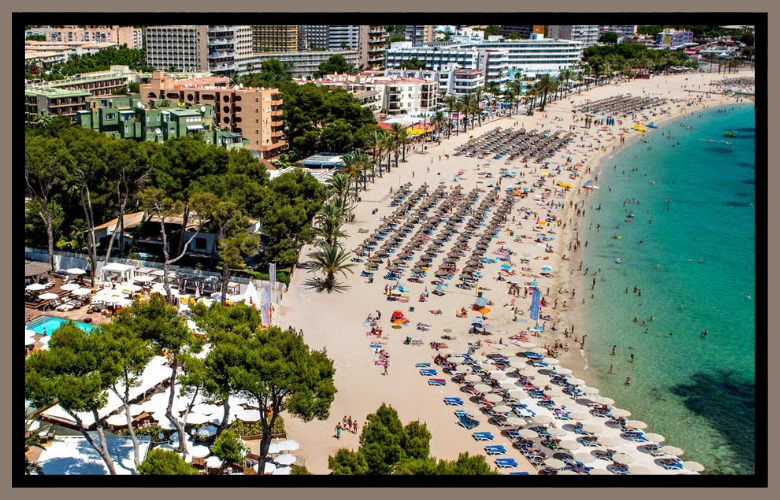
Majorca has long been one of Europe’s favourite holiday destinations, attracting millions of visitors with its stunning beaches, Mediterranean climate, historic villages and vibrant culture. However, changing travel habits, rising holiday costs and growing local concerns have created new discussions about the island’s tourism future. The phrase majorca tourism decline reflects these changes, but the situation is more complex than simply fewer tourists arriving. The island is experiencing a shift towards sustainable tourism, different visitor preferences and better management of popular areas. Understanding these challenges helps travellers, businesses and residents see how Majorca is adapting while continuing to offer memorable experiences.
Why Majorca’s Tourism Industry Is Going Through Major Changes
For many years, Majorca’s tourism industry was built around large numbers of visitors. Affordable package holidays, sunny beaches and popular resorts attracted millions of tourists every year. Areas such as Magaluf, Playa de Palma, Alcudia and Palma became famous because they offered hotels, entertainment, restaurants and easy access to the coast.
Tourism created many benefits for the island. Hotels, restaurants, shops and transport businesses grew because of visitor spending. Thousands of people found jobs through the tourism sector. For many local families, tourism became an important part of their income and daily life.
However, tourism growth also created new problems. During busy months, some areas become overcrowded. Roads, beaches and public services face extra pressure. Some residents are concerned about housing costs, environmental damage and the effect of large visitor numbers on local life.
One of the biggest Majorca tourism struggles is finding the right balance. The island needs tourism because it supports the economy, but it also needs to protect its environment and communities. Many people believe the future should focus on better tourism rather than simply attracting more visitors.
Travel habits have also changed. Many tourists now want more than a traditional beach holiday. They look for local food, cultural activities, nature experiences and quieter places. This change has affected older tourism models and encouraged businesses to offer different experiences.
The wider discussion about Spain tourism decline is also connected to these changes. Spain remains a major travel destination, but some areas are seeing slower growth because travellers have more choices. Countries such as Greece, Turkey, Portugal and Croatia are competing for the same visitors.
Majorca’s future depends on understanding what modern travellers want. Businesses that offer good value, quality services and unique experiences are more likely to succeed in the changing tourism market.
Mallorca Overtourism Concerns, Protests and Local Challenges
Mallorca overtourism concerns have become one of the biggest discussions surrounding the island’s future. Overtourism happens when visitor numbers become difficult for local communities and infrastructure to manage. Although tourism provides important economic benefits, extremely high visitor concentration can create challenges such as crowded beaches, busy roads, pressure on water resources and increased waste management needs. These issues are especially noticeable in popular areas during the peak summer season.
Housing has become one of the most sensitive topics connected to tourism growth. In some areas, increased demand for holiday accommodation has affected rental availability and property prices. Many local residents feel that finding affordable housing has become more difficult, creating frustration about how tourism growth affects everyday life. This concern has encouraged discussions about stronger regulations for holiday rentals and better planning to protect local communities.
The Mallorca tourism protest movement reflects these concerns. Many people participating in protests are not against visitors or tourism itself because they recognise the industry’s importance for jobs and businesses. Instead, they are asking for a more balanced approach that allows tourism to continue while reducing negative effects on residents. This situation has become part of a wider Spain tourism battle holiday debate, where popular destinations are searching for ways to manage tourism responsibly.
A sustainable approach could involve encouraging visitors to explore less crowded areas, supporting local businesses, improving public transport and promoting travel outside the busiest months. By spreading visitors throughout the year and across different parts of the island, Majorca could reduce pressure on popular locations while creating opportunities for smaller communities.
The future success of Mallorca tourism depends on cooperation between residents, businesses and government authorities. Tourism remains an essential part of the island’s economy, but long-term success will depend on creating a system where visitors enjoy high-quality experiences and local communities continue to benefit from tourism.
How Majorca Weather, Holiday Prices and Changing Holiday Trends Are Affecting Visitors
Majorca weather has always been one of the island’s strongest attractions and a major reason why millions of travellers choose it every year. The island enjoys warm summers, mild winters and a long tourism season compared with many other European destinations. Visitors are attracted by sunny beaches, outdoor activities, coastal walks and the opportunity to enjoy Mediterranean life throughout much of the year. However, changing climate conditions and rising summer temperatures are beginning to influence when tourists decide to visit. Many travellers are now choosing spring and autumn because these seasons offer comfortable temperatures, fewer crowds and better conditions for exploring the island.
The changing weather patterns have created both challenges and opportunities for the tourism industry. Extremely hot summer periods may discourage some families, older travellers and outdoor enthusiasts who prefer milder conditions. At the same time, the popularity of off-season travel can help businesses operate for longer periods instead of depending only on the busy summer months. Activities such as hiking, cycling, cultural tours and countryside visits are becoming increasingly popular because visitors want experiences beyond traditional beach holidays.
Holiday prices are another major factor influencing visitor decisions. Accommodation, flights, restaurants and tourist activities have become more expensive in many European destinations, including Majorca. As costs increase, travellers often compare different Mediterranean locations before booking. Some visitors may choose destinations where they believe they can receive better value for money, which has contributed to discussions about a Mallorca tourist slump in certain areas. However, this does not mean the island has lost its attraction. Instead, visitors are becoming more careful about how they spend their travel budgets.
Modern tourists are also changing what they expect from a holiday. Many travellers no longer want only a hotel room near a crowded beach. They are searching for authentic experiences, local cuisine, cultural attractions and activities that allow them to connect with the destination. This shift has created opportunities for smaller businesses, rural accommodation providers and local guides who can offer unique experiences.
The growth of independent travel has also changed the tourism landscape. More visitors now organise their own flights, accommodation and activities instead of relying completely on traditional package holidays. Online booking platforms have made it easier for tourists to compare prices and create personalised trips. This means businesses must focus more on service quality, reputation and value rather than depending only on large numbers of seasonal visitors.
Another interesting trend is the rise of sandwich tourists in Mallorca, a group of travellers looking for a middle option between budget holidays and luxury experiences. These visitors usually want comfortable accommodation, good food and enjoyable activities without paying premium prices. They represent an important part of the modern tourism market because they value quality but remain sensitive to costs.
Benefits and Challenges of a New Tourism Model
A more balanced tourism approach can create several benefits for Majorca while helping the island manage existing challenges. Instead of focusing only on increasing visitor numbers, the future tourism model can prioritise better experiences, environmental protection and stronger relationships between visitors and local communities.
A sustainable tourism strategy can provide several advantages, including:
- Protection of natural attractions: Better tourism management can help preserve beaches, forests, coastal areas and historic locations for future generations.
- Support for local businesses: Encouraging visitors to explore smaller towns, independent restaurants and local shops allows tourism income to reach more communities.
- Improved visitor experiences: Less overcrowding can create cleaner environments, easier access to attractions and more enjoyable holidays.
- Longer tourism seasons: Promoting spring and autumn travel can reduce pressure during summer while creating more stable employment.
- Stronger local relationships: Responsible tourism helps create a positive connection between visitors and residents.
However, changing the tourism model also creates challenges. Businesses that depend on traditional mass tourism may need to adapt their services, pricing strategies and marketing approaches. Finding the right balance between economic growth and environmental protection will remain one of Majorca’s biggest priorities.
Real Examples of How Majorca Tourism Is Adapting
Across the island, many businesses and communities are already adapting to changing tourism expectations. Traditional resort areas are increasingly looking for ways to offer more than nightlife and beach activities. Hotels are investing in improved services, wellness experiences, local food options and environmentally responsible practices to attract modern travellers.
Rural tourism has also become more important. Visitors are showing greater interest in smaller villages, mountain areas and countryside locations where they can experience a quieter side of the island. The Serra de Tramuntana region is an example of how nature, culture and outdoor activities can attract tourists who want something different from traditional coastal holidays.
Local food tourism is another growing area. Many travellers now consider authentic cuisine an important part of their holiday experience. Restaurants that use local ingredients and promote traditional dishes can attract visitors who want a genuine connection with Majorca’s culture.
The island is also seeing more interest in activity-based tourism. Cycling, hiking, sailing and cultural tours allow visitors to experience Majorca throughout the year. These activities help reduce dependence on the busiest summer months and create opportunities for businesses outside traditional resort locations.
Government and tourism organisations are also focusing more on managing visitor flows. Encouraging tourists to visit less crowded areas can reduce pressure on popular destinations while helping smaller communities benefit from tourism income.
These changes show that the future of Majorca tourism is not only about attracting more people. It is about creating better experiences, protecting resources and ensuring that tourism remains valuable for both visitors and residents.
Is Majorca Still Worth Visiting? A Complete Traveller Guide
Despite the challenges facing the tourism industry, Majorca remains one of the most attractive holiday destinations in Europe. The island continues to offer a unique combination of beaches, natural landscapes, historic towns and cultural experiences that are difficult to find in one location. Travellers who look beyond the busiest resort areas can discover a more authentic side of the island, including traditional villages, local markets, mountain scenery and peaceful coastal locations.
For visitors planning a trip, choosing the right time and location can make a significant difference. Summer remains popular for beach holidays, but spring and autumn are excellent options for travellers who prefer comfortable temperatures and fewer crowds. Majorca weather during these periods is ideal for outdoor activities such as hiking, cycling, sightseeing and exploring local communities. Travellers who want a relaxed experience should consider staying outside the busiest tourist zones.
The island is particularly suitable for different types of travellers. Families can enjoy safe beaches and family-friendly attractions, couples can explore romantic villages and coastal areas, and adventure travellers can take advantage of hiking routes, water activities and natural parks. Majorca offers much more than traditional resort holidays, which is one reason it continues to attract visitors despite changing tourism conditions.
The key to enjoying Majorca today is travelling responsibly. Choosing locally owned accommodation, supporting independent restaurants and exploring different parts of the island can create a better experience. Visitors who respect local communities and natural environments also contribute to a healthier tourism future.
The discussion around tourism challenges does not mean travellers should avoid Majorca. Instead, it highlights the importance of smarter travel choices. The island remains a beautiful destination, but visitors should plan carefully, understand local conditions and choose experiences that provide value for both themselves and the communities they visit.
Frequently Asked Questions
1. Is Majorca experiencing a tourism decline?
Majorca is not losing its position as a popular holiday destination, but its tourism industry is changing. Visitor behaviour, rising costs, environmental concerns and new travel preferences are influencing how people choose and experience holidays on the island.
2. Why are there Mallorca tourism protests?
Mallorca tourism protests are mainly related to concerns about overcrowding, housing affordability, pressure on local resources and the impact of excessive tourism on residents. Many locals support tourism but want better management and a more balanced approach.
3. What are the main Mallorca overtourism concerns?
The biggest concerns include crowded beaches, busy roads, increased waste, pressure on public services and rising property prices. These challenges have encouraged discussions about sustainable tourism and better visitor management.
4. How does Majorca weather affect tourism patterns?
Majorca weather plays an important role in travel decisions. While summer remains the busiest period, many visitors now prefer spring and autumn because temperatures are more comfortable and attractions are less crowded.
5. Are holiday prices affecting tourism in Majorca?
Yes, increasing costs for hotels, flights, restaurants and activities have influenced some travellers’ decisions. Budget-conscious visitors often compare Majorca with other Mediterranean destinations before choosing where to spend their holiday.
Conclusion
The tourism sector in Majorca is undergoing several changes as a result of shifting perceptions, environmental and local factors that will affect the future of the region. Though the talks about majorca tourism decline indicate genuine problems, the fact remains that the destination still holds many things to offer with its beaches, culture, landscapes and Mediterranean way of life. The future of the tourism sector lies in achieving a good compromise between welcoming tourists and protecting locals. The approach to sustainable travel and responsible tourism along with discovery of less frequented spots will ensure that Majorca keeps its unique charm.