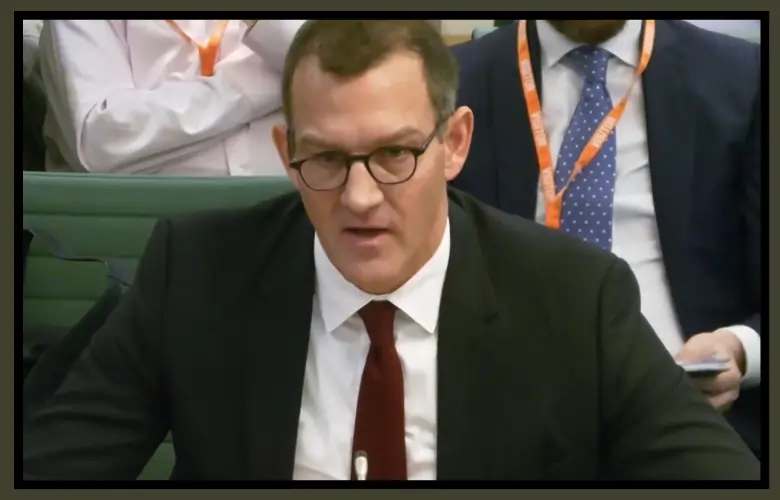
Royal Mail is one of the oldest and reputable postal service companies in the UK, operating on the territory of Britain and delivering letters and parcels to millions of people annually. The company has undergone significant transformations during its existence, starting from when it changed ownership from government to private. A number of individuals are interested in knowing more about the ownership structure of the company, Daniel Křetínský’s involvement, and what impact they have on the future of Royal Mail. This guide highlights the history of ownership, privatization, operations of the company and answers some other relevant questions.
Royal Mail’s Current Ownership and Daniel Kretinsky Connection
Royal Mail is currently controlled by EP Group, an investment company associated with Czech businessman Daniel Křetínský. EP Group became connected with Royal Mail after acquiring International Distribution Services (IDS), the parent company that previously owned the postal business.
Before this ownership change, Royal Mail was a publicly listed company. Investors could buy shares through the London Stock Exchange, meaning ownership was divided among thousands of shareholders, including financial institutions, pension funds, and individual investors.
The Daniel Kretinsky Royal Mail connection became a major business story because it changed the company from a publicly traded organisation into a privately controlled business. This created opportunities for new investment, strategic changes, and long-term planning.
Although ownership has changed, Royal Mail remains a UK-based company. It continues operating delivery networks throughout England, Scotland, Wales, and Northern Ireland while serving millions of customers every year.
Royal Mail continues to operate under UK postal regulations because it provides an essential national service. Unlike many private companies, it has a responsibility to maintain access to postal services across different communities, including rural and remote areas.
The company’s biggest challenge is finding the right balance between becoming more efficient and protecting the reliable service that customers expect. Modernising delivery systems, improving technology, and managing costs will be important areas under the new ownership structure.
Daniel Křetínský Background, Net Worth and Business Interests
Daniel Křetínský is a Czech businessman and investor who has developed a large business portfolio across Europe. He is known for investing in established companies with strong market positions and helping them grow through long-term strategies.
His investments cover several industries, including energy, infrastructure, retail, media, and logistics. Rather than building companies from the beginning, Křetínský usually focuses on acquiring existing businesses that have potential for improvement and expansion.
People searching what Daniel Kretinsky owns are often interested in learning about his wider business activities beyond Royal Mail.
Daniel Křetínský major investment areas include:
- Energy and power generation companies
- Infrastructure and industrial businesses
- Retail organisations
- Media companies
- Logistics and transportation assets
His approach explains why Royal Mail became an attractive investment. The company has a valuable nationwide network, a trusted brand name, and decades of experience. However, it also faces challenges caused by declining letter usage, changing customer expectations, and competition from other delivery providers.
The interest in Daniel Křetínský net worth has increased because his financial position allows him to invest in large companies requiring significant capital. He is considered one of Europe’s most influential investors.
However, Royal Mail is different from many other businesses because of its historical importance. Millions of people rely on its services, and decisions made by new owners can affect customers, employees, and communities.
The future success of this investment depends on whether Royal Mail can improve its commercial performance while maintaining the quality and reliability that customers value.
When Was Royal Mail Privatised and Why Did Ownership Change?
Many people search when Royal Mail privatised because the company was previously owned and managed by the UK government. Royal Mail was officially privatised in 2013 when the government sold shares in the company and transferred ownership to private investors.
Before privatisation, Royal Mail operated as a government-controlled postal service. The government was responsible for major decisions, investment plans, and the overall direction of the organisation.
The decision to privatise Royal Mail was influenced by major changes in the postal industry. Digital communication reduced the demand for traditional letters, while online shopping created significant growth opportunities in parcel delivery.
Supporters of privatisation believed private ownership would allow Royal Mail to access investment more easily, introduce new technology faster, and compete more effectively in a changing market.
Royal Mail History, Services and Difference Between Royal Mail and the Post Office
A Royal Mail wiki-style overview shows a company with a history stretching back hundreds of years. Originally created as a government communication service, Royal Mail developed one of the largest postal networks in the world.
Today, Royal Mail focuses heavily on parcel services, tracking technology, delivery improvements, and customer experience. Businesses often rely on Royal Mail because it provides access to customers across the entire UK.
Royal Mail and the Post Office are often confused because they were historically connected. However, they are now separate organisations with different roles.
Royal Mail manages the collection, sorting, transportation, and delivery of letters and parcels. The Post Office operates branches where customers can access services such as postage, banking options, and other customer facilities.
People searching who owns the Post Office are usually trying to understand whether it is controlled by Royal Mail. The two organisations are separate and have different ownership structures.
Royal Mail Share Price, Contact Number and Business Operations
Before becoming privately owned, Royal Mail shares were traded publicly on the stock market. Many investors followed the Royal Mail share price to understand the company’s financial performance and future potential.
The share price changed over time due to several factors, including company results, market conditions, rising costs, competition, and changes in consumer behaviour.
Royal Mail faced increasing pressure as traditional letter numbers declined. At the same time, parcel delivery became a more important part of the business because of the growth of online shopping.
The company has invested in improving sorting centres, tracking systems, delivery technology, and customer communication tools. These improvements are designed to help Royal Mail compete with modern logistics companies.
Customers searching for the Royal Mail contact number usually need help with parcel tracking, delayed deliveries, missing items, or general service questions.
Royal Mail’s customer support systems are important because millions of deliveries happen every week. Customers increasingly expect quick updates and accurate delivery information.
The company’s large network remains one of its biggest strengths. Royal Mail can reach almost every address in the UK, including areas where some competitors may struggle to provide the same level of coverage.
Pros, Cons and Future of Royal Mail Under Private Ownership
Private ownership creates both opportunities and challenges for Royal Mail. The company can potentially benefit from faster decisions, increased investment, and a stronger focus on improving efficiency.
A private company may have more flexibility when introducing new technology and changing operations. This could help Royal Mail compete in a delivery market that is becoming increasingly competitive.
However, there are concerns about maintaining the balance between profitability and public service. Royal Mail must continue providing reliable delivery services while managing costs and improving financial performance.
The main advantages of private ownership include improved investment opportunities, quicker decision-making, and greater ability to modernise operations.
The main challenges include declining letter demand, competition from other delivery companies, and the need to maintain customer trust.
The future of Royal Mail will depend on how successfully it adapts to changing customer needs. Parcel growth, technology improvements, and better delivery experiences will likely play an important role in the company’s development.
If Royal Mail can combine business improvement with reliable service, it can continue to remain an important part of the UK’s communication and delivery network.
Frequently Asked Questions
Who owns Royal Mail today?
Royal Mail is controlled by EP Group, an investment company connected with Daniel Křetínský. The company moved into private ownership after the acquisition of its parent organisation.
When was Royal Mail privatised?
Royal Mail was privatised in 2013 when the UK government sold shares in the company and transferred ownership to private investors.
Does the UK government still own Royal Mail?
No, the UK government does not own Royal Mail today. The company operates privately but continues following UK postal regulations.
Who owns the Post Office?
The Post Office is a separate organisation from Royal Mail. Although the two were historically connected, they now operate independently.
What does Daniel Kretinsky own?
Daniel Kretinsky owns and invests in businesses across multiple industries, including energy, infrastructure, retail, media, and logistics.
Conclusion
Royal Mail has changed greatly in nature from being a government-run mail delivery organization to being a private company that has a new strategic orientation. By understanding the ownership of the company, its background, and the role it plays within the UK mail delivery sector, it is easier to understand why the company faces some issues and what prospects the company has now. With funding, up-to-date technologies, and better customer services, Royal Mail can have good chances to succeed in the competitive market environment. Still, reliable delivery services and customer trust are very important.