Hamnet, a historical movie, has gained worldwide recognition for its emotional narrative, excellent acting and outstanding depiction of Elizabethan England. Some people would like to find out more information about those actual locations which made possible the creation of the film’s authentic setting. This film is a screen adaptation of the novel by Maggie O’Farrell and tells the story of William Shakespeare, Agnes Hathaway and their family. Unlike many other films about Shakespeare, this one puts emphasis not on his reputation but on love, sorrow and everyday life. The choice of filming locations turned out to be very important for creating an authentic look of the film.
The Real Hamnet Filming Locations Across England
The main answer to where was Hamnet filmed is connected to several historic areas across England, including Herefordshire, Gloucestershire, London, and Hertfordshire. The production avoided relying on one single location because the story moves between different environments, from rural family life to the developing theatre world of London.
Although Stratford-upon-Avon is strongly linked with William Shakespeare, the modern town was not used as the main filming destination. Over the centuries, Stratford has developed into a busy tourist location with modern roads, shops, and buildings that would make it difficult to recreate the appearance of the late 1500s.
Instead, filmmakers searched for places that naturally maintained historic features. Villages with timber-framed buildings, traditional farms, old estates, and untouched countryside offered a more convincing representation of Shakespeare’s England.
This approach is common in historical filmmaking because real locations provide details that are difficult to reproduce artificially. Natural textures, old architecture, and traditional landscapes allow viewers to become immersed in the story without constantly noticing the production design.
The main locations connected with the film include:
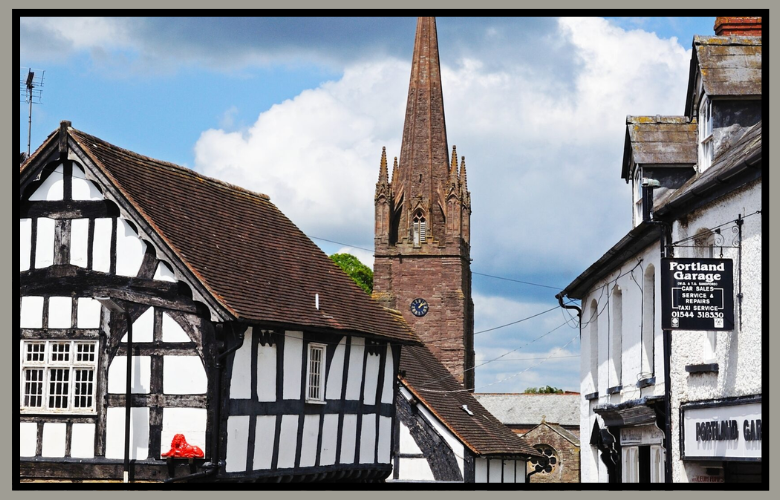
- Weobley, Herefordshire: A historic village transformed into a representation of Shakespeare’s Stratford.
- Cwmmau Farmhouse, near Brilley: Used to portray Agnes Hathaway’s childhood surroundings.
- Lydney Park Estate, Gloucestershire: Provided forests, countryside, and outdoor scenes.
- London historic areas: Represented the city environment connected with Shakespeare’s theatre career.
- Elstree Studios, Hertfordshire: Used for controlled scenes and specially created historical sets.
Each location served a different storytelling purpose. Together, they created a complete picture of the world surrounding Shakespeare and his family.
Hamnet Film Herefordshire Locations: The Importance of Weobley
Among all the Hamnet filming locations, Herefordshire holds particular importance because it provided many of the rural settings that define the film’s atmosphere. Searches for Hamnet film Herefordshire locations often highlight Weobley as one of the most recognisable places connected with the production.
The village of Weobley Hamnet became an important part of the movie’s visual identity. Known for its historic character, Weobley already contained many features that matched the Tudor period, including traditional buildings, narrow streets, and old architectural details.
Production designers carefully adapted the village to represent the world of Shakespeare’s time. Small changes, including period decorations, props, and removal of modern distractions, helped transform the existing environment into a believable Elizabethan settlement.
The reason filmmakers chose Weobley was not simply because it looked old. The village also created the right emotional atmosphere for the story. Hamnet is focused on personal experiences rather than grand historical events, so an intimate village setting was more suitable than a large city environment.
The surrounding Herefordshire countryside also played an important role. Open fields, farmland, and peaceful landscapes reflected the slower rhythm of life during the 16th century. These natural surroundings helped audiences understand the connection between people and the land during that period.
Cwmmau Farmhouse near Brilley was another valuable Herefordshire location. It represented Hewlands Farm, which is connected with Agnes Hathaway’s early life. The farmhouse helped establish Agnes as a character shaped by nature, family traditions, and rural surroundings.
The Forest and Countryside Scenes in Hamnet
Many viewers searching for where Hamnet filmed forest are interested in the woodland scenes that give the film much of its visual beauty. Forests and countryside areas appear throughout historical cinema because they create a strong connection between characters and their environment.
One of the important outdoor locations used for the production was Lydney Park Estate in Gloucestershire. The estate offered woodland areas, open landscapes, and historic surroundings that matched the mood required for the film.
The forest scenes are significant because nature plays an important role in creating the emotional identity of the movie. The quiet landscapes provide moments of reflection and help communicate feelings that cannot always be expressed through dialogue.
Using real forests also improved the realism of the production. Natural light, seasonal changes, and authentic landscapes created a more believable environment compared with entirely digital backgrounds.
For historical films, countryside locations offer several advantages. They allow filmmakers to create a sense of time and place while giving actors a more realistic environment in which to perform. A genuine landscape can influence the mood of a scene and make emotional moments feel more powerful.
However, filming in natural environments also has challenges. Weather conditions can interrupt schedules, protecting historic landscapes requires careful planning, and production teams must work within the limitations of real locations.
Was Hamnet Filmed in Wales? Understanding the Location Rumours
Some viewers searching where Hamnet filmed in Wales may come across discussions suggesting that parts of the movie were filmed in Wales. However, the main production locations were in England, particularly Herefordshire, Gloucestershire, London, and Hertfordshire.
The confusion is understandable because some areas of western England share similar landscapes with parts of Wales. The countryside around Herefordshire and Gloucestershire includes rolling hills, forests, farmland, and historic buildings that can look similar to Welsh rural scenery.
For a historical drama, filmmakers are not always looking for locations based on modern borders. Their priority is finding places that visually match the period being represented. A location in England may be chosen because it looks like another historical region rather than because of its exact geographical connection.
The important factor for Hamnet was creating an authentic version of Shakespeare’s world. The production needed landscapes that reflected family life, nature, and rural communities rather than focusing on specific modern locations.
Although Wales was not a major filming destination for the movie, the similar landscapes across the region explain why some viewers associate certain scenes with Welsh countryside.
Where Was Hamnet Buried? The Real History Behind the Story
The question where Hamnet was buried is different from the question of filming locations because it relates to the real historical events behind the movie. Hamnet Shakespeare was the only son of William Shakespeare and Agnes Hathaway. Historical records show that he died in 1596 at the age of 11.
Hamnet was buried at Holy Trinity Church in Stratford-upon-Avon, the same historic church where William Shakespeare was later buried. The burial records from the period provide evidence of his connection to Stratford’s community.
Although the film does not focus only on historical facts, Hamnet’s death is the emotional centre of the story. The loss of his son is often considered one of the events that influenced Shakespeare’s later works and contributed to the themes of grief, family, and human experience found in his writing.
Understanding the real history behind Hamnet adds another layer to the film. The locations used in the production help recreate the environment of his life, while historical records provide the connection between the fictional storytelling and the real people who inspired it.
Why People Choose to Explore Hamnet Filming Locations
Film locations have become increasingly popular among travellers because they allow audiences to experience the places that shaped memorable stories. The locations connected with Hamnet offer more than just a connection to a movie; they provide insight into English history, traditional architecture, and the landscapes that inspired the story.
Visitors interested in literature, photography, history, and cinema can find these locations especially appealing. Walking through historic villages or countryside areas gives people a better understanding of how filmmakers transform real environments into convincing historical worlds.
The popularity of these locations also benefits local communities. Film tourism can increase awareness of smaller villages and encourage visitors to explore areas that might otherwise receive less attention.
People often choose to visit historical film locations because they offer:
- A chance to experience the atmosphere seen on screen.
- Opportunities to learn about local history and architecture.
- Unique photography locations away from crowded tourist areas.
- A deeper connection with favourite films and stories.
- A better understanding of filmmaking techniques.
However, visitors should remember that a filming location may look different from the final movie. Production teams often add temporary decorations, adjust lighting, and carefully frame camera shots to create a specific appearance.
The real value comes from understanding the history and creativity behind the location rather than expecting every place to look exactly like it does on screen.
Is Visiting Hamnet Filming Locations Worth It?
For fans of Shakespeare, historical dramas, and English heritage, visiting the locations connected with Hamnet can be a worthwhile experience. These places combine natural beauty, historical importance, and cinematic interest, making them appealing even for people who are not normally interested in film tourism.
Herefordshire locations are particularly valuable because they represent the quieter, personal side of Shakespeare’s world. Villages such as Weobley allow visitors to appreciate traditional architecture and imagine how communities may have looked during the Tudor period.
The countryside locations also provide a peaceful travel experience. Unlike major tourist attractions, many rural areas offer slower-paced visits where people can explore landscapes, historic buildings, and local culture.
There are some practical considerations before planning a visit. Some locations may be private properties, and access rules can change. Visitors should respect local communities and check availability before travelling.
Overall, exploring Hamnet filming locations is worthwhile because the experience goes beyond seeing a movie setting. It offers an opportunity to connect with English history, understand the filmmaking process, and appreciate how real places contribute to powerful storytelling.
Frequently Asked Questions
Where was Hamnet filmed in England?
Hamnet was filmed mainly in Herefordshire, Gloucestershire, London, and Hertfordshire. These locations helped recreate the atmosphere of Elizabethan England.
Was Hamnet filmed in Stratford-upon-Avon?
No, the movie was not mainly filmed in Stratford-upon-Avon. Filmmakers chose other historic locations that better matched the 16th-century setting.
Which Herefordshire locations were used for Hamnet?
The main Herefordshire locations included Weobley and Cwmmau Farmhouse near Brilley. These places represented Shakespeare’s Stratford and Agnes Hathaway’s home.
Where were the forest scenes in Hamnet filmed?
The forest scenes were filmed around countryside locations such as Lydney Park Estate in Gloucestershire. These areas created the film’s natural and emotional atmosphere.
Was Hamnet filmed at the Globe Theatre?
No, Hamnet was not filmed at the modern Globe Theatre. The production used specially designed sets to recreate the Elizabethan theatre environment.
Conclusion
The locations where Hamnet was filmed had an integral impact on the creation of its emotional and historical setting. From the picturesque streets of Weobley in Herefordshire through various landscapes of the countryside, forests, locations in London and studios, each one contributed to the accurate portrayal of Shakespeare’s times. Although the movie was not mainly filmed in Stratford-upon-Avon and the actual Globe Theatre, the chosen locations have perfectly managed to portray the mood of Elizabethan England. Visiting these locations can provide the fans with a more meaningful experience connected to the plot, history, and the process of shooting the film.