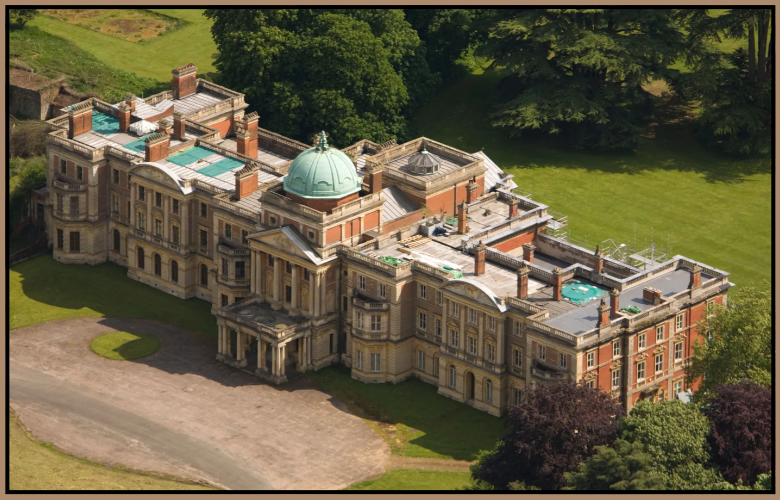
A Christmas market in an old country estate. Sounds great, doesn’t it? The old buildings, lights across the gardens, food stalls and people wandering around with hot chocolate. Now think about everything that has to happen before those people arrive.
The traders need to unload. Someone has to sort out the parking, the toilets, the power supply and the security arrangements. Delivery vans need access, but so do emergency vehicles. And all this has to work around a property that wasn’t exactly designed for a few thousand visitors turning up over a weekend. That’s the tricky bit with historic venues. You can’t just change the layout whenever something gets in the way.
The Grass Is Not a Car Park
Well, not quite. A lawn might look like a perfectly good place to unload equipment or park a few vehicles. Then it rains, a couple of heavy trucks drive across it, and suddenly there’s a problem that wasn’t on the original event plan. That’s why the site needs checking before installation begins. Where will the trucks drive? Can the ground take the weight? Are there any archaeological remains that could be affected by putting up a marquee?
Temporary trackways can protect vulnerable grass, but they need to be suitable for the vehicles using them. Just laying something down and hoping for the best isn’t much of a plan. Inside the building, it’s a different set of concerns. Historic floors can be damaged by heavy footfall, and getting equipment through narrow doorways can be awkward. Protective coverings might help, but some rooms are better kept closed during the event. It may mean visitors can’t see every part of the property. Still, that’s preferable to dealing with avoidable damage afterwards.
Where Are All These People Going?
This is where a site plan can look perfectly fine on paper and still cause trouble on the day. People stop at food stalls. Queues build near the toilets. Families gather around attractions, sometimes right in the middle of a narrow path. Then another group comes along trying to get through. Suddenly, there’s a bottleneck.
The team needs to spot potential bottlenecks and move stalls or attractions away from busy junctions. Stewards can also direct visitors along alternative routes and keep people moving safely.
Timed entry can help spread arrivals across the day, particularly where the entrance and parking areas have limited capacity. The Health and Safety Executive’s crowd management guidance is worth looking at when planning these arrangements.
And then there’s accessibility. Old estates can have steep steps, uneven paths and narrow entrances. If an alternative route is available, visitors need to know where it is and which areas they can reach. Emergency access is another thing that can’t be left until later. A pathway might seem like a handy place to put extra equipment, but not if emergency services need to get through.
All the Things That Need to Be Brought In
Historic buildings weren’t designed to support a modern festival setup. Power is one example. The existing supply might not be enough for the stage, lighting and catering equipment, so additional power arrangements may be needed. Toilets might need to be brought in, too, especially when the event attracts more visitors than the property’s facilities can handle.
Then there’s waste collection, deliveries and somewhere for contractors to unload. It sounds like basic logistics, but several vehicles arriving through one narrow entrance can throw the schedule off pretty quickly. Delivery slots need to be agreed beforehand, and drivers need to know where they’re going.
Weather doesn’t make things any easier. A grass car park can become unusable after heavy rain. Strong winds might mean a marquee needs checking before the event continues. Someone needs to make those decisions, and the rest of the team needs to hear about them.
The Communication Side of Things
Imagine a steward is dealing with a queue near the entrance while a security team is covering the gardens. Maintenance staff are somewhere else, checking equipment. A problem comes up. On a small site, staff can walk over to each other, but that gets tricky on a large estate where everyone has their own area to cover. Radio hire gives staff a way to report problems quickly, without having to cross the whole site to find someone. Security can ask for assistance, and maintenance can flag an equipment issue without someone having to walk across the grounds to find the right person.
There’s a practical catch, though. Old stone walls and outbuildings can affect radio reception. Test the radios around the site first, as old walls and buildings can affect reception. Staff should also know which channel to use and who to contact when something urgent comes up. A quick briefing before opening can sort that out. Otherwise, the radios are there, but nobody’s quite sure how to use them when something happens.
The Village Gets Involved, Whether It Wants to or Not
Some historic estates are surrounded by villages with narrow roads and very little spare parking. Big events can clog up nearby roads, leaving residents stuck behind queues of cars and delivery vans. Organisers may need extra parking, shuttle buses or help from local authorities, and visitors should know where to go before they set off. Which entrance should they use? Where’s the overflow car park? Are shuttle buses running? These details can prevent a lot of unnecessary confusion.
Local residents need some warning as well, particularly when an event involves road restrictions, evening entertainment or several days of extra traffic. They may not be attending, but they’re still affected by what’s happening nearby.
What Happens After Everyone Leaves?
Once the stalls come down, somebody needs to check the grounds. Heavy vehicles may have damaged the grass. Busy paths might need attention, and temporary structures have to be removed without damaging the surrounding area. Any issues with historic features should be recorded. It’s also worth asking the team what caused problems during the event. Maybe deliveries arrived too close together. Perhaps one entrance became overcrowded, or radio reception was poor in a particular part of the grounds. Those details are useful when planning the next event. Historic England’s technical conservation guidance provides further information on looking after historic buildings and materials.
The tricky thing about historic estates is that some limitations simply can’t be changed. The access road may always be narrow. Certain rooms will need to stay closed, and the lawns won’t necessarily cope with heavy vehicles after rain. So the planning has to work around the property, not the other way round. Visitors get to enjoy the gardens, the buildings and the event itself. Behind the scenes, there’s a lot of juggling to make sure the whole thing works without leaving the estate in a worse state than it was before.