One of London’s most unique and interesting museums is the Garden Museum, which blends elements of horticulture, art, architecture, landscape design, and British social history into one unique location. Housed in the old church of St Mary-at-Lambeth, just next to Lambeth Palace, this museum provides an attractive alternative for those interested in London’s museums away from its busier attractions. Those visiting the attraction will find historic garden tools, artwork, photographs, gardens and stories of famous gardeners who played a significant role in shaping Britain’s history in relation to nature. This guide will provide details about what visitors can expect from a visit to the museum, and how to make the best of their experience.
What Makes This London Gardening Attraction Special?
This specialist museum explores the art, history and design of British gardens from the 16th century to the modern day. Instead of simply displaying flowers or teaching visitors how to grow plants, it looks at gardening as an important part of British cultural and social life. Historic tools, paintings, photographs, books and personal objects reveal how people created and enjoyed outdoor spaces across different periods. Visitors can see how gardening practices changed as technology developed and how garden styles reflected fashion, wealth and personal taste. This wider approach makes the collection understandable even if you have little previous knowledge of horticulture.
One of its strongest features is the way gardening connects with subjects such as exploration, science, architecture and visual art. Historic plant collecting, for example, tells stories about international travel and the introduction of unfamiliar species into British gardens. Old equipment shows how demanding gardening work could be before powered machinery and modern tools became widely available. Paintings and photographs also reveal how ideas about attractive landscapes changed between generations and social groups. As a result, visitors gain an understanding of British life and design rather than simply learning the names of plants.
Its relatively small scale is another advantage, particularly for travellers with a busy London itinerary. Unlike enormous museums where visitors can spend several hours and still see only a small part of the collection, this attraction feels focused and manageable. You can study displays carefully, enjoy the architecture and still have enough time to visit another nearby destination. That makes it particularly suitable for repeat visitors to London who have already explored many of the city’s headline attractions. It also offers a calmer alternative for people who prefer thoughtful cultural experiences rather than crowded sightseeing.
History, Architecture and Photography Opportunities
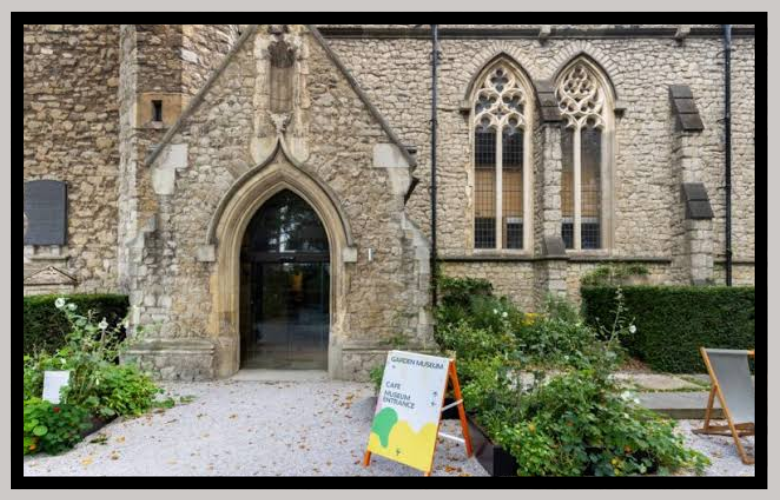
The former church of St Mary-at-Lambeth is an important part of the experience rather than simply a building containing exhibits. The site has centuries of history, and its surviving medieval tower dates from the 14th century. It is closely connected with John Tradescant the Elder and John Tradescant the Younger, influential gardeners and plant collectors who contributed significantly to British horticultural history.Their work involved growing unusual plants, collecting objects and expanding knowledge of species arriving from other parts of the world. The Tradescant family tomb remains an important feature and provides a direct physical connection with the stories presented inside.
The former church eventually became redundant, and its future was uncertain during the 20th century. Efforts to protect the historic building helped lead to the creation of a museum dedicated to garden history in 1977. Today, visitors can see old church architecture alongside modern additions designed to support exhibitions, visitor facilities and contemporary cultural use.The contrast between historic stonework and newer architectural elements gives the building considerable character. Architecture and conservation enthusiasts may therefore find the structure just as interesting as the permanent displays.
Photography is another reason some visitors enjoy the site. The church interior provides strong lines, arches, historic surfaces and interesting natural light, while planted areas introduce softer colours and textures. The courtyard combines greenery, memorials and contemporary architecture, creating several attractive compositions for travel and architectural photography. The surrounding Lambeth area also places visitors close to the Thames and famous Westminster landmarks across the river. Anyone hoping to photograph from the medieval tower should check current access arrangements beforehand, as historic structures occasionally close for maintenance.
Best Things to See and Do During Your Visit
The permanent galleries should be the starting point for a first visit. Instead of looking at each historic object only for its age, consider what it reveals about the people who once used it. Gardening tools can explain how labour-intensive certain jobs were, while photographs show how domestic, public and grand private gardens differed from one another. Paintings provide another perspective by showing how artists represented plants, landscapes and outdoor life across different periods. Together, these exhibits transform gardening history into a wider story about technology, work, design and everyday British culture.
The outdoor areas provide an important contrast to the indoor galleries. The courtyard and planted spaces bring living horticulture into a museum otherwise filled with historical objects and records. The Tradescant tomb is especially significant because it connects present-day planting with figures who played an important role in the site’s history. These gardens are not designed to compete with large botanical attractions in terms of size or plant variety. Their appeal comes from atmosphere, thoughtful planting and the relationship between greenery, historic architecture and memorial features.
Temporary exhibitions add another layer to the experience and can make repeat visits worthwhile. They often explore relationships between gardening, art, landscape design and influential creative figures rather than focusing narrowly on horticultural technique. Visitors interested in painting or design may therefore find exhibitions just as appealing as those who already enjoy gardening. Because the programme changes throughout the year, checking what is on before choosing a visit date can improve the overall experience. A particularly relevant exhibition can easily turn a short museum stop into one of the more memorable parts of a London day out.
Café, Shop and Useful Visitor Facilities
The café is more ambitious than the basic refreshment areas found at many cultural attractions. Its food focuses on seasonal produce and modern European cooking, creating a natural relationship between gardens, growing seasons and ingredients. The menu changes regularly, while baked items, cakes and desserts add options for visitors who only want something light. This seasonal approach helps the restaurant feel connected with the subject of the museum rather than operating as a completely separate facility. For visitors planning a relaxed day, it can turn a short cultural trip into a comfortable half-day experience.
The café is particularly useful because of the museum’s central location. Visitors can explore the galleries during the morning, stop for lunch and then continue towards Westminster, the Thames or the South Bank This is often more convenient than travelling elsewhere in search of food between attractions. If lunch or dinner is an important part of your plans, making a reservation is sensible because popular periods can become busy. The combination of seasonal food, contemporary architecture and nearby planting also gives the dining space more character than a standard museum café.
The shop is another useful stop, especially for gardeners and visitors looking for something more distinctive than ordinary London souvenirs. Its selection can include gardening tools, books, plant-related gifts, pots, cards, exhibition catalogues and design-led products. A specialist gardening book or exhibition publication can also extend what you learned during the visit and provide inspiration after returning home. Visitors who do not have time for the full attraction can normally access the retail area separately through the café entrance. This makes the shop and restaurant useful destinations even for people spending only a short time in Lambeth.
Opening Times, Tickets, Location and Practical Tips
The attraction generally opens daily from 10am until 5pm, with last admission before closing. Special events can occasionally affect normal hours, so it is sensible to confirm the timetable for your exact date before travelling. The site is located on Lambeth Palace Road, close to the River Thames and directly beside Lambeth Palace. Westminster, Waterloo, Lambeth North and Vauxhall all provide useful public-transport connections depending on where your journey begins. Walking from Westminster can be particularly enjoyable because the river crossing and surrounding architecture become part of the sightseeing experience.
Adult admission is typically priced in the mid-teens in pounds, with reduced rates available for certain visitors and family ticket options. Most people should allow around 90 minutes to two hours for a comfortable first visit. Those particularly interested in gardening, art, architecture or temporary exhibitions may want to stay longer. Extra time is also worthwhile if you intend to have lunch, explore every accessible historic area or browse the shop carefully. Because the attraction is relatively compact, it works particularly well as part of a half-day itinerary rather than an entire day.
For a smoother visit, keep these practical points in mind:
- Allow around 90 minutes to two hours for your first visit.
- Go earlier in the day if you prefer quieter galleries.
- Check the current exhibition programme before selecting your date.
- Confirm medieval tower access if the climb is important to you.
- Reserve a table if you want lunch or dinner.
- Combine the attraction with Westminster, Lambeth or the South Bank.
- Avoid bringing large luggage if possible.
Is It Worth Visiting? Benefits, Pros, Cons and FAQs
The biggest benefit is the opportunity to understand gardens as part of British culture rather than simply decorative outdoor spaces. Gardeners can discover how tools, techniques and design ideas changed over time, while artists can explore relationships between landscapes and visual culture. Architecture enthusiasts can study the successful reuse of a centuries-old church, and history lovers can discover connections with exploration, social class and domestic life. The compact layout is another benefit because visitors can understand the main story without spending an exhausting full day indoors. Its location also makes it easy to combine with some of London’s most famous riverside attractions.
There are a few disadvantages worth considering.Visitors expecting a huge botanical garden filled with extensive plant collections may be disappointed because this is primarily a cultural and historical museum. Admission can also feel relatively expensive when compared with several major London museums that offer free permanent collections. Some historic areas may be less accessible because of stairs and architectural limitations, while people with no interest in art, history, design or gardening may find the theme specialised. However, these limitations are balanced by the distinctive building, carefully focused collection and generally calmer atmosphere. For the right visitor, its specialist nature is one of the main reasons to choose it.
How long should you spend here? Around 90 minutes to two hours is suitable for most first-time visitors, although enthusiasts may want longer. Is it suitable for non-gardeners? Yes, because the displays also explore art, architecture, social history, exploration and design. Is the café worth visiting? Yes, especially if you appreciate seasonal food or want a relaxed lunch as part of your sightseeing day. Can families visit? Yes, and the manageable size may be easier for children than very large museums. What should you see first? Begin with the permanent galleries and Tradescant story, then explore the courtyard and temporary exhibition.
Frequently Asked Questions
1. How long should I spend at the museum?
Most visitors should allow around 90 minutes to two hours. This gives enough time to explore the permanent galleries, historic architecture, planted spaces and temporary exhibitions without rushing.
2. Is the museum suitable for non-gardeners?
Yes. The collection also covers British history, art, architecture, landscape design and social change, making it interesting even if you have little knowledge of gardening.
3. What are the usual opening times?
The attraction generally opens from 10am to 5pm daily. Opening hours can occasionally change because of special events, so checking current arrangements before travelling is recommended.
4. Is there a café inside?
Yes. The on-site café serves seasonal food and drinks and is popular with both museum visitors and diners. Booking ahead can be useful if you plan to have lunch or dinner.
5. Does the museum have a shop?
Yes. The specialist shop sells gardening books, tools, gifts, cards, exhibition publications and design-focused products. It can also normally be accessed separately through the café entrance.
Conclusion
In all, the Garden Museum will be a great destination for anyone interested in gardens, art, architecture, history, and other cultural attractions. The combination of the historic buildings, permanent collection, special exhibitions, planted areas, café, and specialized shop means that the visit is diverse without being intimidating. The Garden Museum will suit those tourists who are eager to explore the less popular parts of London. For gardeners, the museum will offer historical information, whereas people not engaged in gardening will have a chance to admire the designs and photography as well as learn about the stories related to the place. Being a compact attraction, the Garden Museum is easily combined into a half-day tour of the city.