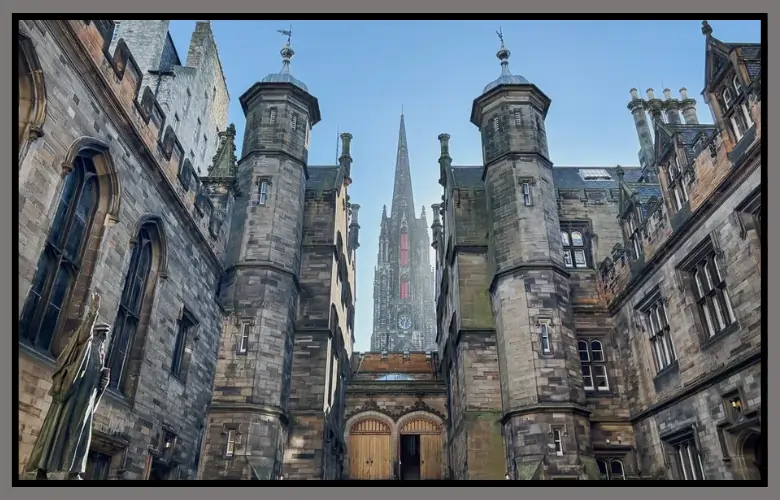
The harry potter edinburgh Tour Edinburgh presents a special opportunity for the fans of the famous writer to experience the places associated with the author’s creative process. The narrow closes, historic cemeteries, Gothic buildings and colorful streets of Edinburgh make up an atmosphere ideal for the Wizarding World. Fans will be able to visit well-known landmarks including Victoria Street, Greyfriars Kirkyard, The Balmoral Hotel and cafes related to the early books. Some facts are verified; some stay a part of a theory of fans. This guide gives all the necessary information about major places, tours, shops, tickets and useful recommendations for a trip.
Why Edinburgh Is Connected to the Wizarding World
Edinburgh’s strongest connection with the books comes from J.K. Rowling’s life as a writer. She moved to the city during the early 1990s and continued developing the series while raising her daughter. Local cafés gave her practical places where she could sit, write and revise her work. Years later, she completed Harry Potter and the Deathly Hallows at The Balmoral Hotel. Her handprints at Edinburgh City Chambers provide another official connection between the author and Scotland’s capital.
The city’s physical appearance has also strengthened its magical reputation. Edinburgh Old Town contains medieval buildings, steep cobbled streets, hidden courtyards, ancient graveyards and historic schools. These features remind many visitors of Hogwarts, Diagon Alley and Hogsmeade. The skyline becomes particularly dramatic in mist, rain or winter light, making the city feel like a natural setting for fantasy stories.
Visitors should still separate proven history from popular speculation. Victoria Street is regularly compared with Diagon Alley, and George Heriot’s School is often described as an inspiration for Hogwarts. Gravestones in Greyfriars Kirkyard have also been connected with names from the books. These comparisons are entertaining, but Rowling has not officially confirmed every claim. The city’s real value comes from its writing history and atmosphere, not from pretending that every old building directly influenced the series.
Best Magical Locations to Visit in Edinburgh
Victoria Street is one of the most photographed locations on the city’s magical walking route. The curved road connects George IV Bridge with the Grassmarket and contains colourful shops, historic stone buildings and businesses arranged on different levels. Its unusual shape explains why fans compare it with Diagon Alley. Visitors should explore both the lower pavement and the upper terrace. The upper level offers a wider view for photographs, while the lower street provides access to cafés, independent retailers and fantasy-themed shops. Morning visits are usually quieter than afternoons.
Greyfriars Kirkyard is another important stop. Fans often search for the grave of Thomas Riddell because the name resembles Tom Riddle. A memorial linked with Scottish poet William McGonagall also attracts attention because of Professor McGonagall. Other names within the graveyard have been connected with characters from the series, although evidence for these theories remains limited. Greyfriars is a real historic burial ground, so visitors should remain respectful, avoid climbing on memorials and keep pathways clear. The ground can also become uneven and slippery after rain.
George Heriot’s School stands near Greyfriars and is regularly compared with Hogwarts because of its towers, courtyard and house system. It remains an active school rather than a public fantasy attraction, so visitors should view it from suitable public areas. Other worthwhile locations include The Balmoral Hotel, Edinburgh City Chambers and the café sites associated with Rowling’s writing. These stops create a balanced route because they combine official literary history with the places that fans enjoy interpreting through the books.
Edinburgh Potter Tours, Tickets and Walking Routes
A guided magical walking tour can help first-time visitors understand the Old Town’s complicated layout. Most experiences include Victoria Street, Greyfriars Kirkyard, views of George Heriot’s School and places connected with Rowling’s writing. Family-focused tours may include quizzes, house points and character challenges. History-focused tours normally provide more information about Edinburgh’s architecture, literary culture and the difference between confirmed facts and local legends.
Tour tickets are sold separately because there is no single admission pass covering every location. Most of the main sites are public streets, outdoor spaces, hotels or working buildings. Before booking, compare the group size, meeting point, duration, walking distance and cancellation policy. Some tours use a fixed price, while free-to-join walks usually expect a tip. Private experiences cost more but can provide flexible timings, smaller groups and better support for visitors with mobility requirements.
The main benefits of a guided tour include:
- A logical route through the Old Town
- Local stories and historical explanations
- Help locating easily missed landmarks
- Less time spent checking maps
- Interactive activities for children
- Clearer separation between facts and theories
- Recommendations for nearby shops and cafés
A self-guided walk is a practical alternative. Begin outside The Balmoral Hotel near Waverley station, continue towards Edinburgh City Chambers and then walk to Victoria Street. Explore the Grassmarket before visiting Greyfriars Kirkyard and viewing George Heriot’s School. Finish near George IV Bridge, where several café and shopping connections can be explored. The central route usually takes two to three hours, although half a day allows time for photographs, food and souvenir shopping.
Wizarding Shops, Writing Cafés and Other Nearby Attractions
Visitors looking for magical merchandise will find several fantasy retailers around Victoria Street, the Grassmarket and the Old Town. These shops commonly sell replica wands, house scarves, robes, jewellery, sweets, mugs, books, stationery and collectable figures. Some products are officially licensed, while others use general fantasy designs. Prices can vary considerably, so compare similar products before buying. A locally designed print, book or Edinburgh-themed item may offer a more distinctive souvenir than a mass-produced product widely available online.
The city’s café history is mainly associated with Rowling’s early writing routine. The Elephant House became internationally famous because she worked on parts of the series there. However, describing it as the single birthplace of the books is inaccurate. Rowling had already created the central idea and characters before writing at the café. Nicolson’s Café is also associated with her working years, although the premises and business names have changed over time. Visitors should appreciate these places as part of a wider writing journey rather than expecting a perfectly preserved desk or chair.
Princes Street is useful as a starting point rather than a direct book location. The Balmoral Hotel stands at its eastern end, close to Edinburgh Waverley station. The street also offers views towards Edinburgh Castle and easy access to public transport. The castle was not used as Hogwarts, but its dramatic position contributes to the city’s fantasy atmosphere. Entry requires a separate ticket, and a full visit can take several hours. It is best treated as an important historic attraction that complements the literary route rather than as an official Wizarding World site.
Princes Street, Edinburgh Castle and the Hogwarts Express Connection
The Balmoral Hotel provides one of the clearest confirmed literary links in the city. Rowling stayed there while completing the final novel and marked the moment by writing a message on a marble bust in the room. The suite later became associated with her name and is now a premium accommodation option. Staying there can be expensive, but visitors can still view the hotel exterior without booking a room. Its location beside Waverley station makes it easy to add to the beginning or end of a walking route.
Edinburgh Castle is often included in magical travel searches because it dominates the skyline and looks suitable for a fantasy setting. However, it was not used as Hogwarts and has no major confirmed role in the books or films. The castle is still worth visiting for its military history, royal buildings, exhibitions and panoramic views. Travellers should book tickets separately and allow at least two or three hours. Combining the castle with Victoria Street and the Grassmarket creates a strong full-day itinerary.
The famous train connection is located outside Edinburgh. The Glenfinnan Viaduct appeared in scenes involving the Hogwarts Express and has become one of Scotland’s most recognisable film locations. It lies in the Highlands and cannot be included in a short city-centre walk. Visitors can reach the area through an organised day trip, rail connections or a longer Scottish road journey. Tours from the capital often require an early departure and late return. Travellers should check whether a package includes the viaduct viewpoint, railway journey or only a distant photo stop before booking.
Planning Tips, Benefits, Pros and Cons
Many central locations can be visited without paying an entrance fee. Victoria Street, Greyfriars Kirkyard, the Royal Mile, exterior views of George Heriot’s School and The Balmoral Hotel are generally free. The main expenses are accommodation, guided walks, Edinburgh Castle admission, meals, transport and souvenirs. Budget travellers can complete a self-guided route and purchase one small keepsake. Mid-range visitors may add a group tour and café stop, while luxury travellers can choose private guides and premium accommodation.
Spring and early autumn usually provide a good balance between daylight, weather and crowd levels. August is especially busy because of Edinburgh’s major festivals. Hotels become more expensive, tours sell quickly and popular streets become crowded. Winter offers a darker and more atmospheric experience, but shorter days and cold conditions may reduce outdoor exploration. Comfortable footwear and a waterproof jacket are essential throughout the year. The Old Town contains steep hills, cobbled roads, narrow pavements and uneven pathways.
The main advantages are convenience, flexibility and variety. Most literary stops are close together, and the route suits families, couples, solo travellers and different budgets. However, there are disadvantages. Many inspiration claims remain unconfirmed, and some commercial experiences exaggerate them. Visitors expecting film sets, rides or special effects may feel disappointed. Weather, crowds and difficult walking surfaces can also affect the day. The experience is most rewarding for travellers interested in books, architecture, history and the creative process behind the series.
Frequently Asked Questions
Was Harry Potter filmed in Edinburgh?
Edinburgh was not a major filming location for the films. Its main connection comes from J.K. Rowling writing and completing parts of the book series in the city.
Is Victoria Street the real Diagon Alley?
Victoria Street is often compared with Diagon Alley because of its curved layout, colourful shops and historic buildings. However, this connection has not been officially confirmed.
Which café did J.K. Rowling write in?
J.K. Rowling wrote parts of the early books in cafés including The Elephant House and Nicolson’s Café. These locations are associated with her early writing routine.
Do you need tickets for the main locations?
Most outdoor sites, including Victoria Street and Greyfriars Kirkyard, are free to visit. Tickets are mainly required for guided tours, Edinburgh Castle and private experiences.
Can visitors enter George Heriot’s School?
George Heriot’s is a working school rather than a public attraction. Visitors should view the building from nearby public areas unless official access has been arranged.
Conclusion
The city of Edinburgh provides a unique literary experience for fans of harry potter edinburgh with its atmosphere of the streets and buildings associated with the author of the books, J.K. Rowling. Victoria Street, Greyfriars Kirkyard, The Balmoral Hotel and cafes provide more insight into the literary experience that can be enhanced by taking part in tours which will provide the knowledge on how to distinguish between facts and myths related to the author’s literary career. Edinburgh is not widely recognized as a location where many movies are filmed, however its architecture and stories can evoke magic.