The Belton Estate is definitely the most fascinating historical site of Lincolnshire offering visitors not only an opportunity to walk through the grounds but also to enjoy family fun and beautiful gardens. The Belton Estate that is situated close to Grantham is a national trust property where the visitors will be able to see a magnificent seventeenth century house along with formal gardens, old forest, open parks and a group of historic deer. People are able to wander around the impressive rooms, have some refreshment at the area where stables used to be located, go for a walk or relax in the adventure playground.
Belton House History, Architecture and Historic Collection
Belton House stands at the centre of the wider property and provides the main historical attraction. The present mansion was built during the late seventeenth century for Sir John Brownlow, although the surrounding settlement existed much earlier. Belton was recorded in the Domesday Book, showing that an established community lived in this part of Lincolnshire during medieval times. The Brownlow family later became closely connected with the land and remained influential for several generations. Their changing wealth, interests and social position shaped the mansion, gardens, art collection and surrounding landscape.
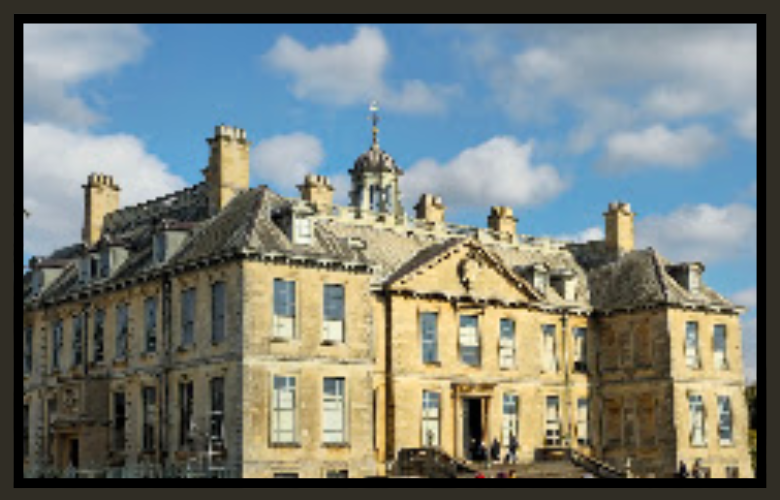
The exterior is known for its symmetry, balanced proportions and carefully arranged classical details. Pale stone walls, evenly positioned windows and a central roof feature create the appearance many people associate with a traditional English country house. The building looks grand without reaching the enormous scale of a palace. Straight paths, formal planting and carefully framed views strengthen the relationship between the architecture and gardens. Even visitors without specialist knowledge can recognise that the house and landscape were planned to create one connected visual experience.
Inside, the rooms contain historic furniture, paintings, books, ceramics, textiles, silver and personal possessions collected over several centuries. The Marble Hall creates a formal first impression, while other rooms reveal how the mansion became a comfortable family home as well as a place for entertaining important guests. Portraits show changing clothing and family identity, while desks, chairs and books help explain how individual rooms were used. Conservation work may occasionally restrict access because light, humidity, dust and regular movement can damage fragile materials. These temporary limitations help protect the building and collection for future visitors.
Formal Gardens, Deer Park, Walking Routes and Visitor Maps
The gardens provide several different styles within a relatively compact area around the mansion. The Italian Garden includes terraces, decorative features, organised flower beds and strong lines that guide attention towards selected views. Seasonal planting adds colour during spring and summer, while evergreen plants help maintain structure through colder months. The Dutch Garden offers geometric beds, clipped greenery and carefully arranged flowers that complement the balanced architecture of the house. Nearby pleasure grounds feel softer, using mature trees, open lawns and curving paths to create a calmer atmosphere.
Beyond the formal areas, the landscape opens into extensive grassland, ancient woodland and riverside habitats. Fallow deer are among the most recognisable animals, although sightings depend on weather, season and the movement of the herd. Visitors should remain at a respectful distance and avoid surrounding, feeding or following wildlife. Dogs must remain under control because sudden movement can disturb deer, nesting birds and other animals. Quiet walking and regular pauses can also help visitors notice insects, woodland birds, old trees and smaller features that are often missed during a hurried route.
A map of the Belton grounds is strongly recommended for first-time visitors because distances can feel longer than they appear. It can show the position of the mansion, café, toilets, picnic areas, playground and main walking routes. Families can use it to plan food and play stops before children become tired, while people with reduced mobility can select shorter paths near important facilities. Spring offers blossom and fresh growth, summer provides fuller planting, autumn brings warm woodland colours, and winter reveals the shape of mature trees. Comfortable footwear remains essential because routes may include gravel, cobbles, grass, slopes and muddy woodland paths.
Café, Adventure Playground, Family Facilities and Pokémon Activities
The café at Belton makes it easier to turn a short historical visit into a relaxed full day. Located around the restored stable area, it normally offers drinks, cakes, snacks and meal choices. It can become busy around lunchtime, especially during weekends, school holidays and special events, so eating slightly earlier or later may reduce waiting. Visitors can also bring a picnic, which is useful for families managing food allergies, specific diets or a limited budget. Reusable water bottles and light snacks are helpful because longer walking routes may take more time than expected.
The adventure playground is one of the strongest reasons families choose the property over a smaller historic house. Its woodland setting gives children opportunities to climb, balance, move and explore within a natural environment. Active play allows children to release energy after spending time inside formal rooms where quieter behaviour is expected. It can also support coordination, confidence, communication and practical problem-solving. Indoor family facilities may provide an alternative during poor weather, although access, capacity or timed sessions can change during busy periods.
Pokémon activities at Belton may include temporary trails, card-game challenges or family events connected with well-known characters. These experiences can encourage children to walk, observe their surroundings and take part in shared activities. They are especially useful for younger visitors who may not initially feel interested in architecture or formal gardening. Such trails normally operate during selected dates rather than throughout the year, so families should confirm availability before travelling. People searching for Pokémon GO features should remember that digital stops, gyms and routes can change, and players should remain aware of paths, water, steps, wildlife and other visitors.
Photography, Christmas Events and the Best Seasons to Visit
The mansion, formal gardens, water features, woodland and open parkland offer varied photography opportunities. People searching for National Trust photos of Belton often want to understand the appearance of the property before organising a trip. Images can show the symmetrical house, flower beds, deer park, playground and seasonal landscape, but they may not communicate the true size of the grounds. Early visits can provide quieter paths, while cloudy conditions may produce softer light with fewer harsh shadows. Visitors should remain on marked routes and avoid stepping into planted areas for a better camera angle.
Christmas at Belton creates a very different experience from a normal daytime visit. Seasonal events may include illuminated trails, festive sounds, decorative installations and refreshments arranged along an evening route. Trees, paths and architectural features can appear completely different after dark. Timed admission, separate tickets and specific entry arrangements may apply, so the festive experience should be planned independently from a regular visit. Warm layers, waterproof footwear, hats and gloves are usually necessary because slow walking and waiting outdoors can feel colder than expected.
The best season depends on what you most want to experience. Spring suits visitors interested in blossom, fresh growth and comfortable walking conditions. Summer provides longer daylight, colourful gardens, picnics and greater use of the outdoor playground, although school holidays can be crowded. Autumn offers warm woodland colours, soft photography light and a more atmospheric setting for wildlife watching. Winter daytime visits are often quieter and reveal landscape details hidden by summer leaves, while Christmas events provide a separate reason to visit after dark. Returning in different seasons can offer more value than trying to see every feature during one trip.
Practical Benefits, Visitor Planning, Pros and Cons
The main benefit is the variety available within one destination. History enthusiasts can study the mansion and collection, garden lovers can explore formal planting, and walkers can follow longer routes through the parkland. Families can combine short historical activities with food, play and seasonal trails. Photographers can move between architecture, water, woodland and wildlife, while dog owners can focus on permitted outdoor areas. This flexibility makes the property suitable for mixed-age groups whose members may have very different interests.
Belton Estate: History, Gardens and Visitor Information
- Arrive early and confirm which rooms and facilities are open.
- Study the visitor map before choosing a walking route.
- Explore the house before the busiest period.
- Visit the formal gardens after the indoor tour.
- Stop for lunch at the café or use a picnic space.
- Choose a parkland walk suited to the group’s energy.
- Allow children enough time in the adventure playground.
- Finish with refreshments, photography or the shop area.
The strongest advantages are the historic value, attractive scenery, family facilities and ability to create a complete day without travelling between separate attractions. The main disadvantages include long walking distances, changing weather, uneven historic surfaces and possible room closures caused by conservation work. Busy holidays may also lead to queues around cafés and play spaces. Visitors with reduced mobility should choose realistic routes near accessible parking, toilets, seating and central facilities. The admission price generally provides better value when people arrive early, stay for several hours and use more than one part of the property.
Frequently Asked Questions
Is Belton House suitable for a full-day visit?
Yes, the mansion, gardens, café, playground and walking routes can comfortably fill most of a day. Families and walkers should allow more time than visitors mainly interested in the historic interiors.
Do visitors need a map of the grounds?
A visitor map is strongly recommended because the property covers a large area with several paths and facilities. It helps visitors find the house, café, toilets, gardens, picnic areas and playground.
Is there a café at Belton House?
Yes, visitors can normally purchase hot and cold drinks, cakes, snacks and meal options near the restored stable area. Opening hours and menu choices may vary by season.
Is the adventure playground suitable for children?
The woodland adventure playground offers climbing, balancing and movement-based activities for children of different ages. Parents should supervise younger visitors and check whether the equipment suits their confidence and ability.
Are Pokémon activities available throughout the year?
Pokémon trails and themed activities are usually temporary events held on selected dates. Families should check current event arrangements before travelling specifically for a Pokémon experience.
Conclusion
In conclusion, this historical Lincolnshire landmark has many unique elements to offer in terms of architecture, gardens, wildlife, walks and even facilities for the kids. The building has beautiful rooms that one could visit while outdoors there are many areas which one can visit and even take photos from. There are other activities offered during certain times in a year which makes this place worth a revisit during such occasions. While there are some challenges which include the unpredictable weather, distant walking trails and sometimes the closure of some areas, they can be easily overcome through proper preparation like wearing appropriate shoes and having a visitor’s map.