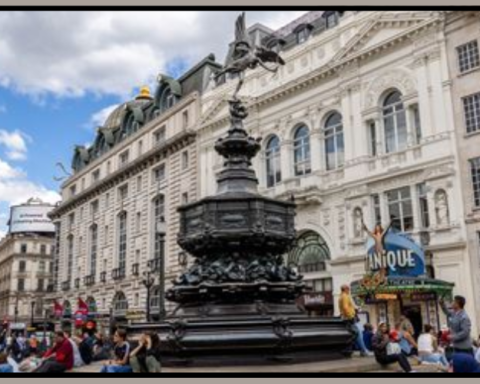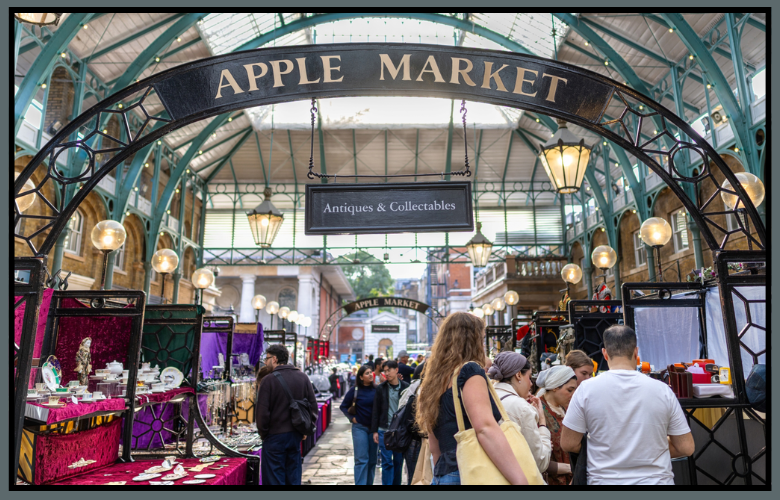
Shopping, eating, fashion, history and local culture are just some of the elements that make London markets very interesting. Be it vintage clothes or hand-made gifts, fresh fruits or vegetables, antiques or international street food – there is always something new and special at each market. Well-known places such as Camden, Borough Market, Portobello Road and Greenwich are open year-round, but smaller street markets can give you a better insight into local life. You have to choose the appropriate market depending on what you need and what areas you would like to visit.
Best Places for Clothes and Vintage Fashion
London has a particularly strong market scene for clothing, with options ranging from vintage garments and second-hand pieces to alternative fashion and independent designs. Camden Market is one of the most recognisable choices, offering a mixture of vintage clothing, accessories, alternative styles and independent retailers. Its large size means shoppers can spend several hours browsing different areas rather than visiting only a handful of stalls. It is particularly appealing if you prefer creative or unusual fashion instead of conventional high-street styles.
Brick Lane is another excellent destination for second-hand and vintage clothing. Its market atmosphere is closely connected with the creative character of east London, and visitors can browse clothing, accessories, artwork, collectables and food during the same visit. Portobello Road provides another option, especially for people who want to combine vintage clothing with antiques and jewellery. Petticoat Lane is also associated with fashion shopping and can be useful for visitors exploring the Liverpool Street and Spitalfields area.
There is no universal answer to the question of the best market in London for clothes, because different shoppers want different styles. Camden is useful for alternative and vintage fashion, Brick Lane suits people who enjoy second-hand discoveries, and Portobello Road provides a wider mixture of clothing and antiques. When buying second-hand garments, inspect stitching, fabric, zips and signs of damage before paying. Comparing similar items at different stalls can also help you understand whether a price represents good value.
Famous London Markets and What They Offer
Several destinations have become famous markets in London because they combine shopping with food, history and local culture. Borough Market is strongly associated with specialist food and fresh produce, offering everything from artisan bread and cheese to prepared dishes and international ingredients. Camden combines fashion, food and alternative culture, while Portobello Road has a long-standing reputation for antiques, collectables and vintage shopping. Greenwich Market is known for crafts, artwork, food and independent traders, making it suitable for visitors with varied interests.
Old Spitalfields Market provides a more structured covered shopping environment, with independent businesses, designers, food traders and gift shops. Covent Garden offers another visitor-friendly experience, combining shops and restaurants with street entertainment in a historic setting. These destinations show why the phrase best markets in London can mean different things to different people. A food enthusiast may prefer Borough Market, while a fashion shopper could spend more time at Camden or Brick Lane.
When creating a list of markets in London, it is more useful to organise destinations by what they sell rather than simply ranking them by popularity. Food-focused destinations, vintage markets, antique markets, flower markets, craft markets and general street markets each provide a different experience. This approach also makes planning easier because you can select a destination that fits your interests instead of travelling across the capital without a clear purpose.
Street Markets and Outdoor Shopping
Street markets in London offer a particularly interesting way to experience individual neighbourhoods. Unlike large shopping centres, these markets often operate along ordinary streets and bring together independent traders, food sellers and small businesses. Brick Lane is one of the best-known examples, with vintage clothing, second-hand goods, food and collectables. Leather Lane has a strong weekday food tradition, while Columbia Road is famous for flowers and plants. Other neighbourhood markets provide their own mix of food, clothing, crafts and household products.
If you are searching for outdoor markets in London today, always check the current trading schedule before setting off. Some street markets operate on specific days rather than throughout the week, and the number of active stalls can change depending on the day. Weekend markets may also be considerably busier than weekday sessions. This is particularly important if you are travelling from another part of the city specifically to visit a particular market.
Weather is another factor worth considering. Outdoor stalls are much more enjoyable when the weather is dry and comfortable, while rain can make browsing difficult. Covered destinations such as Old Spitalfields can provide a practical alternative when the forecast is poor. A flexible itinerary gives you more options and reduces the risk of spending valuable sightseeing time travelling to a market that is quiet or closed.
Food, Crafts and Unique Shopping Experiences
Food is one of the strongest reasons visitors explore London’s market scene. Borough Market is particularly suited to people who enjoy specialist ingredients, artisan produce and prepared dishes. Visitors can browse before deciding what to eat, making it possible to compare different foods rather than committing immediately to the first stall. Brixton is another interesting destination for international food, with the wider neighbourhood offering Caribbean, African, European and other culinary influences.
Greenwich Market is useful when shopping interests extend beyond food. Visitors can find crafts, artwork, gifts, jewellery, vintage products and other independent goods while also enjoying the historic surroundings of Greenwich. This makes it particularly practical for families or groups whose members want different activities. A market visit can be followed by time in Greenwich Park or a visit to another nearby attraction, creating a complete day rather than a short shopping stop.
Independent markets can also be better places to find distinctive souvenirs. Handmade jewellery, locally designed artwork, vintage accessories, specialist foods and unusual homeware often have more personality than standard tourist merchandise. The attraction is not simply the ability to buy something but the process of discovering products you may not have expected to find. Taking time to browse several stalls can turn a simple shopping trip into one of the more memorable parts of a London visit.
Markets Open Today: How to Plan Your Visit
Visitors searching for markets in London today need to consider opening days, location and the type of products they want. Camden operates throughout the week, making it one of the more flexible choices for visitors with limited scheduling options. Other markets have more specific trading patterns, with some becoming particularly active on Saturdays or Sundays. Checking current information before travelling is important because market arrangements and individual trader attendance can change.
Location can save you considerable time. If you are near London Bridge, Borough Market can be combined with a walk along the South Bank. Visitors around Camden can explore the market before walking beside Regent’s Canal. Those visiting Notting Hill can add Portobello Road to their plans, while Greenwich Market works naturally with the park and historic attractions nearby. Choosing a market close to your existing plans is usually more efficient than crossing the entire city for a short visit.
If your priority is clothing, focus on Camden, Brick Lane, Portobello Road or another fashion-focused destination. If food is more important, Borough Market or Brixton may make more sense. For crafts and independent gifts, Greenwich and Old Spitalfields are useful options. This simple approach ensures that your market choice matches the reason you are visiting rather than relying solely on popularity.
Pros, Cons and Practical Tips for Market Shopping
The main advantage of London’s market culture is variety. Visitors can find vintage clothing, fresh food, handmade products, antiques, artwork and unusual gifts while experiencing the character of different neighbourhoods. Markets can also work for different budgets because browsing is free and you can decide how much you want to spend. Independent traders often provide products that are less predictable than those found in major retail chains, which makes market shopping especially appealing to people searching for something distinctive.
Key tips for a successful visit:
- Check opening days and current trading hours before travelling.
- Choose a market based on the products you actually want.
- Arrive earlier when you prefer fewer crowds and more browsing time.
- Compare prices before buying vintage, antique or specialist products.
- Wear comfortable shoes because larger markets involve substantial walking.
- Carry a reusable bag for clothing, food and other purchases.
- Keep valuables secure in crowded areas.
There are some disadvantages to consider. Popular destinations can become extremely busy, especially during weekends and holidays, and queues can make popular food stalls less convenient. Outdoor markets depend on weather, while individual traders may not attend every day. Vintage and antique products also require careful inspection because condition and quality vary. These drawbacks are manageable, but knowing about them beforehand helps you choose the right time and destination.
Is It Worth Visiting London’s Markets?
For most visitors, exploring London’s market scene is worthwhile because it combines shopping with food, entertainment, history and local atmosphere. Instead of simply buying products in a conventional shop, you can speak with independent traders, watch food being prepared, discover vintage pieces and explore a neighbourhood at the same time. Camden provides an energetic fashion and food experience, Portobello Road is useful for vintage and antiques, while Borough Market focuses heavily on food and specialist produce.
The best approach is to choose one main destination according to your interests and then explore nearby attractions. Trying to visit numerous markets scattered across London can leave little time for actually enjoying them. A visitor interested in clothing could spend several hours exploring Camden or Brick Lane, while someone interested in food could build a day around Borough Market and the surrounding riverside area. Greenwich is particularly convenient for combining shopping with sightseeing.
Ultimately, markets in London are worth visiting because they provide variety and a stronger sense of local character than many conventional shopping areas. They are suitable for tourists, families, food lovers, vintage shoppers and anyone who enjoys discovering something unexpected. With sensible planning, comfortable clothing and realistic expectations about crowds and opening times, a market visit can become a memorable part of a London trip.
(FAQs)
1. What is the best market in London for clothes?
Camden Market and Brick Lane are popular for vintage clothing, alternative fashion and independent designs. You can find dresses, jackets, accessories and second-hand pieces at different prices.
2. Which market is best for vintage shopping?
Brick Lane is a popular choice for vintage clothing, collectibles and second-hand items. Portobello Road is another option for antiques, retro finds and unique pieces.
3. What are the most famous markets in London?
Camden, Borough Market, Portobello Road, Greenwich and Brick Lane are among the best-known choices.Each offers a different mix of food, fashion, antiques, crafts and entertainment.
4. Which market is best for food?
Borough Market is well known for fresh produce, baked goods, cheeses and international food. Camden and Brixton also offer plenty of street food and global flavours.
5. Are London markets open every day?
Opening days vary between markets, with some operating daily and others trading only on certain days. Check the latest opening times before travelling to avoid a wasted journey.
Conclusion
Markets in London make it easy for travelers to do some shopping, sampling of food, sightseeing and cultural experience in one go. Be it vintage clothing from Brick Lane, alternative fashion from Camden, antiques in Portobello Road or fresh food in Borough Market, you have a lot of options. You can even find handmade items, fresh produce and bargains from the small street markets that may be off the tourist trail. Make sure that you know about the trading days, time of operation and kind of stalls available in the market before going there.