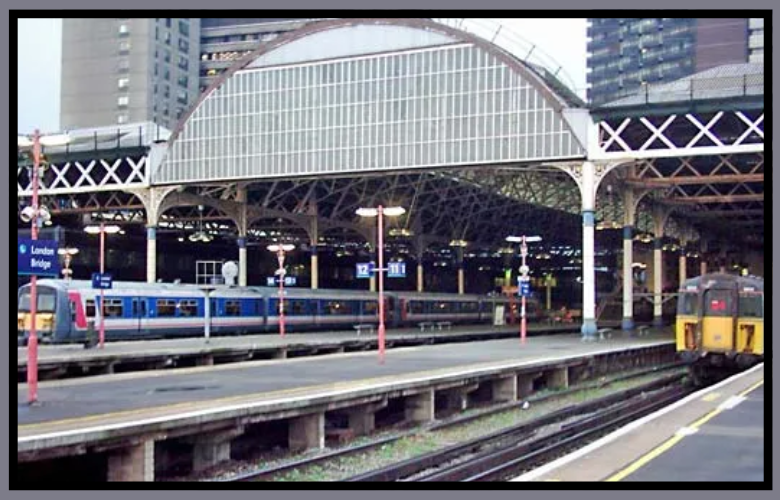
The London Bridge Station is among the key stations in London, which combines rail transit services with those from the Jubilee and Northern underground lines. Situated in the district of Southwark, the station is convenient for travel within the city and it is especially helpful for tourists who are discovering London’s downtown. Due to its convenient location, it is very easy for passengers to get to all the major tourist sites located in London such as Borough Market, The Shard, Tower Bridge and the River Thames. First opened in 1836, the station has changed greatly and nowadays it has all the amenities necessary for dealing with passengers.
Location, Postcode and History
The main National Rail station is located around Tooley Street and St Thomas Street in London. Its official National Rail postcode is SE1 3QX, although different nearby entrances and the Underground station can have different postcode references. The station is in Zone 1, making it particularly useful for visitors travelling around central London. Its National Rail station code is LBG, which you may see when checking tickets, journey information or live departures.
The history of the site goes back to 1836, when the first station opened for the London & Greenwich Railway. Over the years, the station expanded as different railway companies added routes and platforms. Its modern appearance is largely the result of the Thameslink Programme, which brought extensive redevelopment and was completed in 2018. The project created a much larger concourse, improved circulation and provided step-free access to the National Rail platforms. Today, the station combines historic importance with modern transport facilities.
Directions, Entrance and Map
Finding the correct London Bridge station entrance can initially seem confusing because the railway station has several access points around the surrounding streets. The main approaches include Tooley Street, St Thomas Street, Joiner Street and London Bridge Street. Passengers arriving from the direction of Borough Market or The Shard may approach from a different side than someone walking from Tower Bridge. Following station signs is normally the easiest way to reach the correct concourse or Underground connection.
For London Bridge’s station directions, passengers can use a smartphone navigation service or check the official station map before travelling. A London Bridge’s stationmap Google Maps search can also help identify the surrounding streets, nearby attractions and entrances. Inside the complex, signs direct passengers towards National Rail platforms, Underground services, exits, lifts and other facilities. The station’s official map is particularly useful when you need to find a specific platform, toilet, lift, shop or accessible route.
Departures, Trains and Underground Lines
Checking London Bridge’s departures before leaving home is a useful way to avoid unnecessary waiting. National Rail services from the station are operated by companies including Southern, Southeastern and Thameslink, with routes serving destinations across London, Kent, East Sussex, Bedfordshire, Hertfordshire, Cambridgeshire and the south coast. Depending on the service, passengers can travel towards destinations such as Brighton, Gatwick Airport, Sevenoaks, Hastings, Tunbridge Wells, Bedford and Cambridge.
A common search from visitors is what line is London Bridge station on? The Underground station is served by the Jubilee line and Northern line, giving passengers direct connections to several major parts of London. The Jubilee line provides convenient journeys towards areas including Westminster, Waterloo, Canary Wharf and Stratford, while the Northern line connects passengers with locations such as Bank, London Bridge’s surrounding central districts and north London destinations. Always check the departure board because platforms and train times can change.
Shops, Facilities and Accessibility
There are plenty of useful London Bridge station shops and services for passengers who need food, drinks, travel essentials or a quick purchase before catching a train. The wider station complex includes retail and food outlets, while the surrounding streets also have supermarkets, cafés, restaurants and convenience stores. This makes the area practical for commuters who need to buy something quickly before continuing their journey.
The station has a range of passenger facilities designed to make journeys easier. These include ticket offices, ticket machines, toilets, accessible toilets, baby-changing facilities, Wi-Fi, refreshments, bicycle storage and passenger assistance. Step-free access is available across the National Rail station, and lifts provide access to the relevant platforms. Left luggage and lost-property services may also be available, although opening arrangements can vary. Checking current facilities before travelling is sensible, especially for passengers with accessibility requirements or tight connections.
Nearby Attractions, Walking Routes and Real-Life Uses
One of the biggest advantages of using this transport hub is its location. Several famous London attractions are within a reasonable walking distance, making the area particularly popular with tourists. The Shard, Borough Market, Tower Bridge and HMS Belfast are among the best-known nearby attractions. The Thames is also close, providing attractive walking routes along the riverside. Visitors can therefore combine a train journey with sightseeing without needing another long Underground journey.
The location is also useful for everyday travel. A commuter may use the railway to reach central London before changing to the Underground, while a tourist might arrive by train and walk towards Borough Market and Tower Bridge. Business travellers can use the Jubilee or Northern line to reach other parts of the capital. Students, hospital visitors and local residents also benefit from the station’s connections with nearby streets and major institutions. Its combination of rail, Underground and pedestrian connections makes it more than simply a place to catch a train.
Pros, Cons and Practical Tips for Travellers
For many passengers, the main benefits are excellent transport connections, central location, frequent services and access to major attractions. The modern concourse is considerably easier to navigate than the older station layout, while step-free facilities make the railway platforms more accessible. However, the complex can become extremely busy during weekday commuting periods, and first-time visitors may need extra time to understand the different entrances and routes.
Useful tips for a smoother journey:
- Check live departures before travelling and allow extra time during busy periods.
- Confirm your platform because services and platform information can change.
- Use the station map if you need a particular entrance, lift or facility.
- Keep your ticket or travel card ready when approaching ticket barriers.
- Allow additional walking time when changing between National Rail and Underground services.
- If travelling with luggage, look for lifts and step-free routes rather than relying on stairs.
- During peak periods, expect crowded concourses and allow more time for connections.
The biggest disadvantage is simply the size and popularity of the transport hub. During rush hours, large numbers of commuters can make walking through the concourse slower. Visitors unfamiliar with central London may also find the surrounding streets complicated. Planning your route before arrival can reduce these problems considerably.
(FAQs)
1. Where is London Bridge Station located?
It is located in Southwark, south of the River Thames, close to The Shard and Borough Market.
2. What Underground lines serve the station?
The station is served by the Jubilee line and the Northern line.
3. Is London Bridge Station close to The Shard?
Yes. The Shard is directly beside the station, making it one of the easiest London landmarks to reach by train or Underground.
4. Can you walk from the station to Tower Bridge?
Yes. Tower Bridge is within walking distance and can be reached in around 10–15 minutes, depending on your route.
5. Is Borough Market near the station?
Yes. Borough Market is only a short walk away and is a popular stop for food and local produce.
Conclusion
The London Bridge Station is a vital point in the transport network of London that facilitates the movement of people using trains and the underground railway line in the city. Due to the fact that the London Bridge Station is centrally located in Southwark, it makes it very useful when traveling to various parts of the city where popular sites, shopping zones and business centers are found. Because of its state-of-the-art amenities and diverse services, this station has become a reliable point of entry for the exploration of various destinations in the city. Some of the notable tourist sites include the Borough Market, The Shard, Tower Bridge and the River Thames.