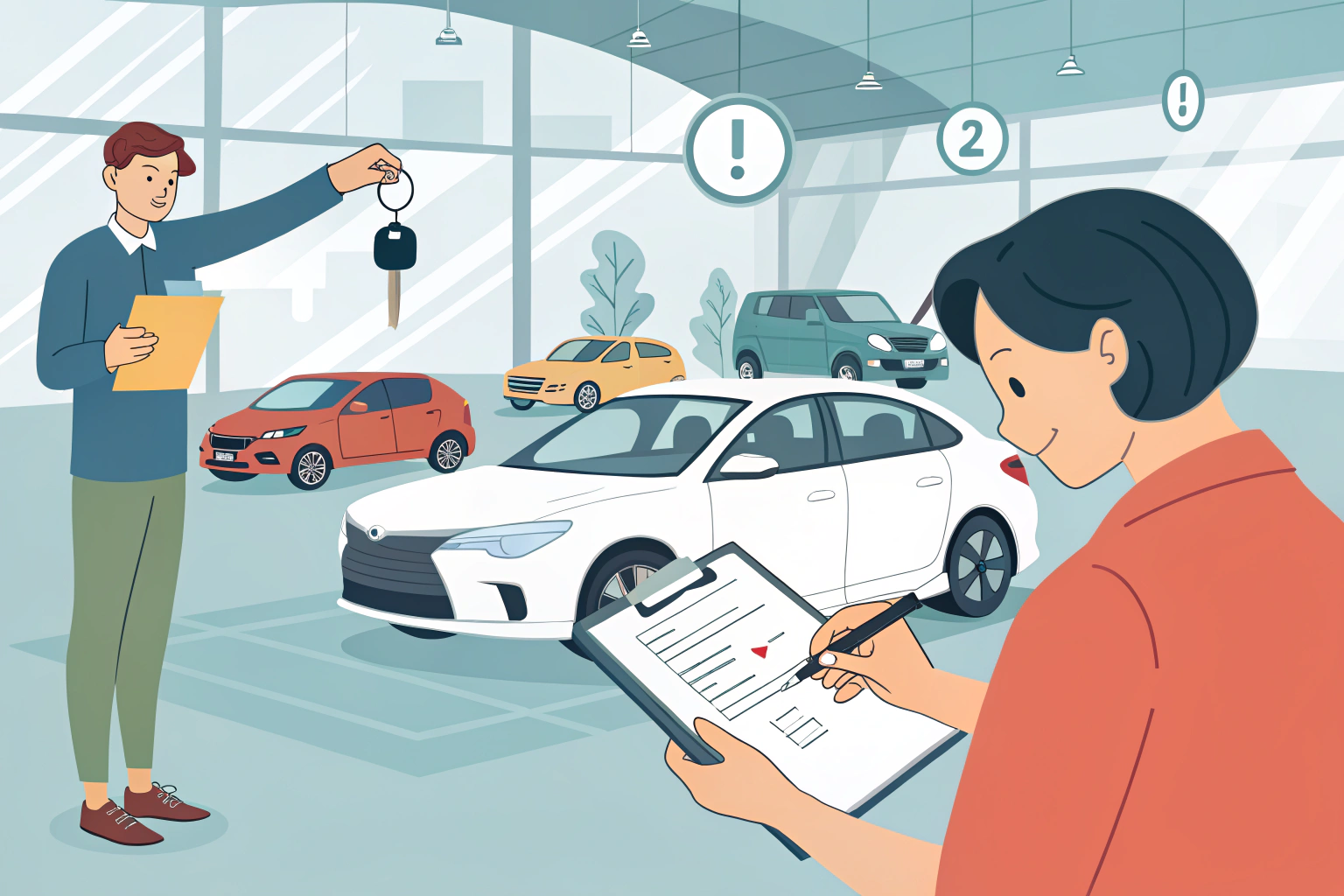
You cannot rely on a quick spin around the block to tell you if a car is actually worth buying because the biggest risks in the current UK market are invisible to the naked eye. A test drive tells you how the suspension feels over a pothole but it stays silent about outstanding finance, clocked mileage, or if the vehicle was glued back together after a major accident. With the supply of good three to five-year-old cars down by nearly 2 million units compared to normal levels, buyers are fighting over scraps. That desperation makes it easy to miss the warning signs that don’t rattle or squeak.
I have bought my fair share of lemons in the past. It hurts. It hurts your wallet and your pride. So let’s look at why the old way of kicking tyres just doesn’t work right now.
The market has gone slightly mad
If you think finding a decent motor is harder than it used to be, you are not imagining it. The numbers are frankly staggering. We just saw about 7.8 million used car transactions wrap up in 2025. That is a lot of metal moving around. But here is the catch.
There is a massive hole in the supply chain. We are missing about 1.8 million cars in that sweet spot of three to five years old. You know the ones. The lease returns. The sensible family wagons that have just taken their biggest depreciation hit. They aren’t there.
Why? Because they weren’t built a few years back when factories were shut. This shortage means you are often looking at older cars for more money or fighting twelve other people for the one decent Ford Focus in a fifty-mile radius.
It creates pressure. And pressure makes us do stupid things. Like handing over cash without checking if the car actually belongs to the seller. When Auto Trader is seeing 32 visits every single second, you feel like you have to move fast. I get it. The fear of missing out is real. But rushing is how you end up with a driveway ornament that you can’t drive.
Why the test drive lies to you
I love driving. Getting behind the wheel is the fun part. You listen for the engine note. You check if the clutch bites high or low. You see if the air con actually blows cold air or just makes a wheezing noise like an asthmatic pug.
But a test drive is a performance. The car is on its best behaviour. The seller has warmed it up. They have polished the scratches. What they haven’t done is told you about the finance company that still legally owns the vehicle.
A smooth drive doesn’t mean a clean history. A car can drive perfectly straight while being a Category S write-off that was repaired in a shed. You wouldn’t know until you try to insure it and the computer says no.
This is where the concept of a free car check comes into play. You might think you can spot a wrong ‘un a mile off. I thought so too until I nearly bought a Golf that had been clocked back 40,000 miles. The interior looked fresh. The pedals weren’t worn. But the data doesn’t lie. Running a free car check is the only way to see the skeleton in the closet. It is the first step. Sometimes a free car check reveals the MOT history is a disaster zone of failures. That is your cue to walk away.
Old cars are costing serious money
Here is something that blows my mind. The price of old bangers isn’t banging anymore. If you are looking at something between 10 and 15 years old, you are paying about 8.5% more than you would have a year ago. The average price is sitting around £6,877.
Nearly seven grand for a 12-year-old car. Let that sink in.
Because these older vehicles are costing so much, the risk is higher. You aren’t just throwing away £500 on a winter runaround anymore. You are investing a significant chunk of savings. If that engine goes pop a month later, it is a financial disaster for most people.
On the flip side, nearly new stuff under a year old is actually getting cheaper. Prices dropped about 2.7% to just over £31k. It is a weird world where the old stuff is getting expensive & the new stuff is losing value. You have to adjust your expectations. Don’t assume a 2014 plate is cheap. It probably isn’t.
The electric elephant in the room
We need to talk about batteries. The used EV market is exploding. Sales jumped 52% in 2025. That is huge. People are waking up to the savings. Marc Palmer from Auto Trader reckons you can save up to £1,500 a year in ownership costs. That sounds brilliant.
But buying a used EV is terrifying for the uninitiated.
You can’t listen to the engine. There isn’t one. You can’t check the oil. There isn’t any. The biggest fear is the battery health and that is hard to test on a ten-minute drive around an industrial estate. You press the pedal and it goes whoosh. They all do that. It doesn’t tell you if the range drops by half when it gets cold or if the previous owner rapid-charged it to death every single day.
Demand for used EVs is up 28%. If you are one of those buyers, you need to look at battery certificates and service history way more than the physical condition of the seats. It is a different game entirely.
Who are you actually buying from
It used to be simple. You went to a main dealer for safety or a private seller for a bargain. The lines are blurring now. Independent retailers are grabbing more market share. They are hungry for business. Franchised dealers actually lost a bit of their grip, dropping from 70% to 68% share of the younger car market.
Does it matter? Yes and no.
An independent dealer might offer a more personal service. They might be more willing to negotiate because they need to shift metal. Franchised dealers usually have the “approved used” stamp which gives peace of mind but you pay for it. The data shows independent sales grew about 4% while franchised sales stayed flat. People are voting with their wallets.
I think the key is not to trust the sign above the door but to trust the paperwork in your hand. A shiny showroom doesn’t guarantee a perfect car. I’ve seen some shocking stock on main dealer forecourts that they took in as part-exchange and just wanted gone. Verify everything. Trust no one. Sounds cynical? Maybe. But it keeps your bank balance safe.
Watch out for the supply cliff
This is the bit that worries me for the next couple of years. We are about to hit a supply cliff for five to seven-year-old cars. Predictions say we will see a drop of 25-30% in 2026. That is massive.
When supply drops, choice vanishes. You won’t be able to be picky about colour or spec. You will be lucky to find a car with a full service history.
This scarcity attracts scammers. It just does. When people are desperate to buy, standards slip. You might overlook a missing service stamp or a slightly dodgy V5 document because you have been searching for three months and this is the only car that fits the bill. Don’t do it. The market is tough but buying a problem car is tougher. I definately think you should wait for the right one rather than rushing into a mistake.
If you are looking for a bargain, you need to be faster than the other 32 people clicking on that ad every second. But speed shouldn’t mean blindness.
Practical steps to avoid a lemon
So what do you actually do? You have found a car. It looks good. The price is painful but acceptable. The test drive went well.
First, stop. Do not hand over a deposit yet.
Get the registration number. Run a check. Look for the boring stuff. Is the colour recorded correctly? Does the VIN match? Has it ever been stolen? These checks cost less than a tank of fuel & can save you thousands.
Look at the MOT history online. It is free on the government website. You want to see what it failed on in the past. If it failed on tyres and brakes three years in a row, the previous owner didn’t care about maintenance. They only fixed things when they were forced to. That is a red flag. You want a car that was loved, not just used.
Check the panel gaps. Run your hand along the paint. Does it feel rough? That could be overspray from a cheap repair. Check the tyres. Are they premium brands or “Ditchfinder 3000s”? Cheap tyres on a performance car tell you the owner couldn’t afford to run it properly.
Ask for the service book. Physical stamps or digital printouts. If they say “oh I lost it moving house”, walk away. A car without history is worth significantly less than one with it. Don’t pay full price for a mystery.
Final Thoughts
I know this all sounds a bit gloomy. It isn’t meant to be. Buying a new car, new to you anyway, should be exciting. That feeling of driving away in something fresh is brilliant. The UK market is strong right now and consumer confidence is high. We are resilient like that.
But the game has changed. The cars are more expensive. The supply is tighter. The technology in EVs is complex. You have to be smarter than the buyer next to you. Do your homework. Check the data. Ignore the shiny paintwork for a minute and look at the cold hard facts. Once you have done that, and only then, can you enjoy the drive.