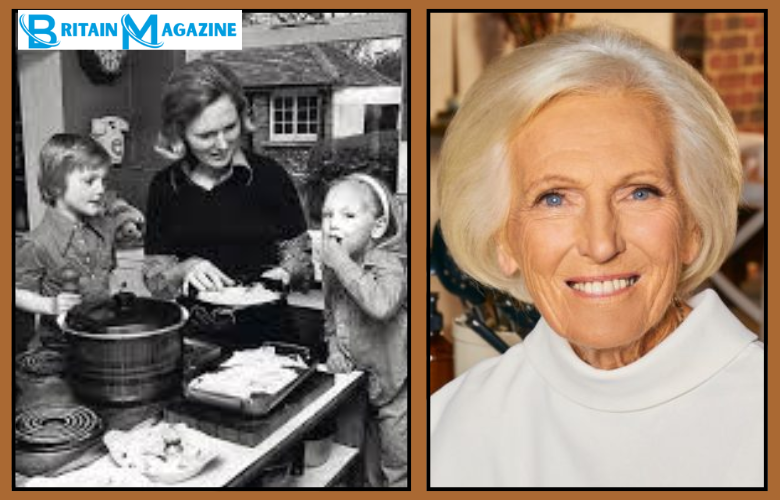
William John March Hunnings, the son of renowned British cook and television personality Mary Berry and her husband, Paul Hunnings, was born in 1969. Although his life was tragically cut short at the age of 19, his memory remains an important part of the Berry family’s story. His death profoundly affected his parents and siblings, and Mary Berry has spoken publicly about the lasting impact of the loss and how her family found strength in the years that followed.
William’s story offers a more personal perspective on the life of one of Britain’s best-known culinary figures, extending beyond Mary Berry’s successful career in cooking and television. This biography explores what is publicly known about William’s early life, family background, and the circumstances surrounding his untimely death, while also considering the lasting place he holds in his family’s memories. His story is ultimately one of family, loss, resilience, and remembrance.
The Early Years of William John March Hunnings
In 1969, Paddington, Greater London, welcomed William John March Hunnings into a warm family. Growing up in Penn, Buckinghamshire, he was Mary Berry and Paul John March Hunnings’ second child. His mother’s culinary fame and father’s antiques career shaped a nurturing home. From a young age, William John charmed others with his bright, outgoing nature. Although his life ended early, those years left a profound mark. Thus, his childhood remains a source of family inspiration.
The Hunnings Family Foundation
Mary Berry and Paul Hunnings: A Resilient Partnership
In 1966, Mary Berry and Paul Hunnings married, raising William John March Hunnings with love. Known for baking and television, Mary, alongside Paul, a retired antiques dealer, built a strong partnership. Their Penn home fostered values like respect, grounding their children. Despite Mary’s public life, privacy was prioritized for William John and his siblings. As a result, this environment nurtured his vibrant character. Later, their resilience helped them face deep grief.
Siblings: Thomas and Annabel Hunnings
Sharing a close bond, William John March Hunnings grew up with two siblings. Thomas Alleyne March Hunnings, born in 1968, became a tree surgeon in Oxfordshire. Meanwhile, Annabel Mary March Hunnings, born in 1972, pursued a culinary career like her mother. With his lively spirit, William John brought joy to family moments. Notably, Annabel survived the accident that took his life, strengthening family ties. Hence, their shared memories remain a treasured legacy.
Education and Dreams of William John March Hunnings
Enrolling at Bristol Polytechnic in 1988, William John March Hunnings studied business with ambition. His choice reflected a sharp mind, eager to carve his own path. Balancing studies with a lively social life, he formed strong friendships. Family described him as a dedicated student with leadership potential. However, his brief time at Bristol left unfulfilled promise, mourned by Mary Berry. Therefore, his ambitions highlight his untapped potential.
The Heartbreaking Accident of 1989
On January 21, 1989, a car accident near Coleshill, Buckinghamshire, claimed William John March Hunnings’ life at 19. Driving from Bristol in a winter storm, he crashed into a lorry on icy roads. Surviving the crash, his sister Annabel brought relief amid sorrow. Mary Berry recalled the police’s visit as life-altering. The accident highlighted rural winter driving dangers. Consequently, it inspired Mary’s bereavement support advocacy.
Circumstances of the Tragedy
Icy conditions on a Buckinghamshire road caused the fatal crash. Driving, William John March Hunnings couldn’t avoid the lorry collision. Despite quick emergency response, his injuries proved fatal. Annabel’s survival offered hope, yet deepened emotional complexity. Mary called the news devastating in her reflections. Thus, the tragedy sparked road safety discussions and shaped family resilience.
The Lasting Legacy of William John March Hunnings
Living only 19 years, William John March Hunnings left a lasting memory through family tributes. In 2025, Mary Berry, now 90, thinks of William John daily, grateful for his joy. She honored him in her 2013 autobiography, dedicating it to her children. His story of love and loss touches many hearts. Moreover, Mary’s work with Child Bereavement UK reflects his influence. His legacy endures in family strength.
William John March’s Influence Today
In 2025, William John March Hunnings’ story inspires those facing loss. Sharing her grief openly, Mary Berry fosters bereavement discussions, marking 36 years since the tragedy. Her public role amplifies his memory as a resilience symbol. Including Thomas and Annabel, the Hunnings family reflects his impact. Furthermore, his vibrant life urges others to cherish loved ones. William John remains a poignant cultural figure.
Frequently Asked Questions
Who was William John March Hunnings?
Born in 1969 in London, William John Hunnings, often William , was Mary Berry and Paul Hunnings’ son. He was vibrant until his tragic death at 19.
What happened to William John March Hunnings?
On January 21, 1989, a car accident near Coleshill, Buckinghamshire, took William Hunnings’ life. He crashed into a lorry on icy roads from Bristol.
How did Mary Berry cope with William John March’s death?
Sharing her grief, Mary Berry finds strength in family and Child Bereavement UK. She thinks of William John March daily, supported by her marriage.
Who are William John March Hunnings’ siblings?
Thomas, a tree surgeon born in 1968, and Annabel, a chef born in 1972, were William John March’s siblings. Annabel survived the accident that killed him.
Where was William John March Hunnings studying?
Starting in 1988, William John Hunnings studied business at Bristol Polytechnic, now the University of the West of England, showing ambition.
How is William John March Hunnings remembered today?
Mary Berry’s tributes, including 2013 book dedications and 2025 interviews, honor William John March. His legacy inspires resilience and loss discussions.
Where is William John March Hunnings buried?
Resting at Holy Trinity Churchyard in Penn, Buckinghamshire, William John Hunnings’ grave serves as a quiet tribute to his life.
Conclusion:
Though short, William John March Hunnings’ life holds deep meaning for his family and admirers. His vibrant spirit and Bristol Polytechnic ambitions showed great promise. The 1989 accident left a lasting mark, yet highlighted family resilience. Through Mary’s tributes and advocacy, his memory inspires reflection on life’s fragility. In 2025, his legacy encourages cherishing every moment. Thus, William John Hunnings’ story endures in the family narrative.