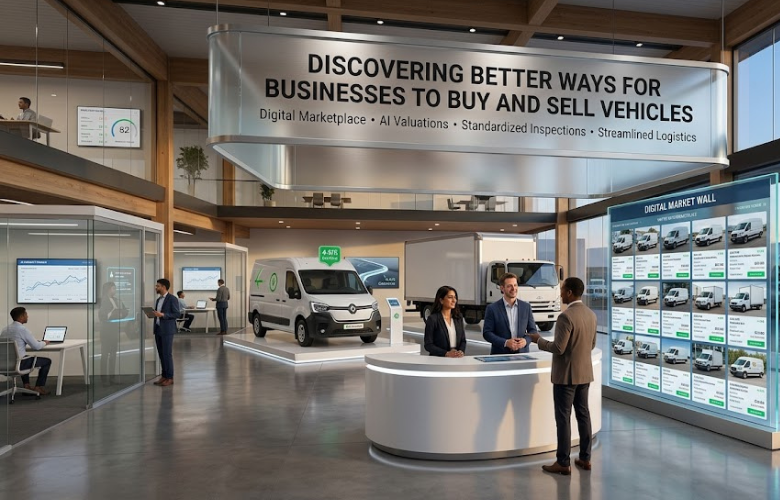
Having a reliable fleet to keep your business moving is a cornerstone of success. Part of this involves upgrading and changing vehicles to make sure they meet your growing needs.
The buying and selling process may have been a bit tedious in years past, but there are alternatives for finding your new business wheels. Here are some different ways you can buy and sell vehicles with ease.
Digital marketplaces transforming B2B vehicle trading
Being able to purchase or sell a vehicle online is far simpler than it used to be.
If you are in the market, simply looking at an online selling site will present you with thousands of options, with filters to narrow down exactly what you are looking for. When selling, uploading photos, a price and a description is all it takes for your vehicle to be seen by hundreds of prospective buyers.
When a transaction is made, the speed is incomparable to the usual methods. A quick payment on the site, and you now own a new car or van for your fleet.
Smarter remarketing and buyer reach
Previously, sellers have been limited to domestic buyers. The rise of innovative remarketing channels, such as online car auctions, allows you to reach national and international buyers, widening the chance of selling your vehicle at a favourable price.
Not only can you reach further afield with competitive pricing, but these sites offer speedy transactions as well as transparency about the contract. You are also given financial protection that you wouldn’t receive in a private deal.
Compliance, transparency and trust
Many selling sites make it non-negotiable that you must provide accurate vehicle histories. This ensures you feel confident that you aren’t accidentally purchasing a dud. Sellers should also provide robust documentation about the car, as well as any regulatory compliance for the vehicle.
This is especially important in B2B selling, as private vehicles are treated differently for tax purposes. Making sure you have your tax affairs in order is crucial for avoiding unwanted fines and penalties.
Using data to inform pricing and decisions
Pricing vehicles can seem like a fine art. You want to make sure you are getting your money back for the value of the vehicle as it stands, but overpricing can lead to a lack of sales and with the vehicle taking up precious space.
There are tons of data online which can help you, as a buyer or seller, see whether a price is fair. Valuation tools will help give a rough guide on the value of the vehicle using factors such as mileage, age, condition and model. You can also use tools which forecast demand. This allows you to decide whether to sell or buy immediately or whether to wait until demand picks up, potentially creating a higher price.