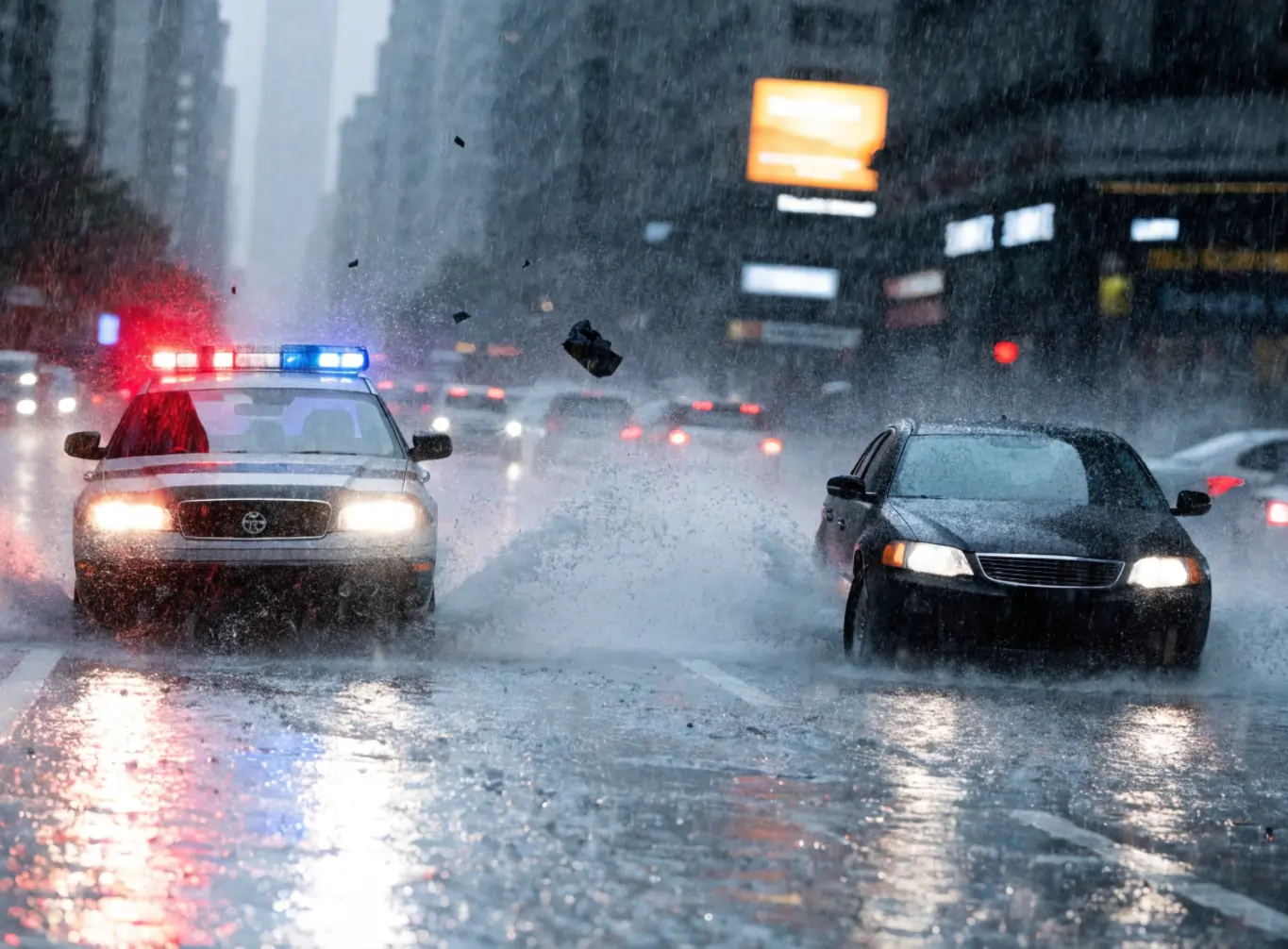
A car chase is a fast-paced and high-intensity situation that captures attention through speed, movement, and unpredictability. It can occur in real-life scenarios such as police pursuits or be recreated in films, television, and video games for entertainment. The core element of a car chas lies in the constant effort to escape or intercept while navigating roads, traffic, and obstacles under pressure. Each moment demands quick thinking, precise control, and sharp awareness of surroundings. This combination of urgency and risk makes car chass both exciting and complex, drawing interest from audiences who are fascinated by action, timing, and decision-making in motion.
What Is a Car Chase and Why It Captivates Attention?
A car chase typically refers to a pursuit where one vehicle attempts to escape while another tries to intercept or follow it. These situations are commonly associated with law enforcement operations, but they also appear in storytelling, gaming, and cinematic sequences. The core idea revolves around movement, pursuit, and the constant attempt to gain or maintain control.
The reason a car chase captures attention lies in its fast-paced and uncertain nature. Every turn, acceleration, or obstacle introduces a new variable that can influence the outcome. Viewers and participants alike experience heightened awareness because the situation evolves rapidly without a predictable pattern. This sense of unpredictability keeps the mind engaged and focused throughout the event.
Another factor contributing to its fascination is the balance between strategy and instinct. Drivers must make decisions in fractions of a second while considering multiple variables at once. This combination of mental and physical demands makes the experience both challenging and compelling, especially when observed from a safe distance.
Evolution of High-Speed Pursuits in Modern Entertainment
Over time, depictions of high-speed pursuits have evolved significantly in entertainment. Early portrayals relied heavily on practical effects, real vehicles, and stunt coordination to achieve realism. Filmmakers used creative camera techniques to simulate motion and intensity, even with limited technology. These early sequences laid the foundation for the more advanced productions seen today.
With the advancement of digital tools and visual effects, creators can now design more complex and visually striking sequences. These improvements allow for smoother transitions, enhanced angles, and more dynamic perspectives. Despite these technological advancements, practical driving and real stunts are still widely used to maintain authenticity.
A car chase in modern storytelling often serves as a centerpiece of action scenes, combining narrative tension with visual spectacle. Directors carefully plan pacing, camera movement, and sound design to ensure that each moment contributes to the overall impact. The result is a sequence that feels immersive, engaging, and emotionally charged.
Real-Life Situations and the Challenges They Present
In real-world contexts, a car chase is significantly more complex and risky than its portrayal in entertainment. Law enforcement agencies must evaluate multiple factors before initiating or continuing a pursuit. These factors include road conditions, traffic density, public safety, and the severity of the situation.
Officers involved must remain highly focused while making rapid decisions under pressure. Communication between units, awareness of surroundings, and adherence to protocols are all essential components of managing such situations effectively. The unpredictability of human behavior adds another layer of complexity, making each pursuit unique.
Authorities often face difficult choices when determining whether to continue or terminate a pursuit. The primary concern is always safety, both for those involved and for the general public. Because of this, strict guidelines are implemented to help minimize unnecessary risks while still allowing effective response when required.
Psychological Factors Behind High-Speed Engagement
A car chase often triggers strong psychological responses due to its intensity and pace. The human brain responds to rapid movement and uncertainty by increasing alertness and focus. This heightened state of awareness is commonly associated with adrenaline, which plays a key role in how individuals perceive and react to such situations.
The combination of speed and unpredictability creates a sense of urgency that holds attention. Observers may feel emotionally connected to the outcome, even if they are not directly involved. This connection is driven by natural instincts related to competition, survival, and resolution.
Another aspect of its psychological appeal is the clear objective involved in the scenario. Whether it is escape or interception, the purpose is easy to understand, which makes it accessible to a wide audience. This clarity, combined with dynamic movement, ensures that the experience remains engaging throughout its duration.
How Virtual Experiences Recreate High-Speed Action
Digital environments have successfully recreated the essence of a car chase in interactive formats. Video games, simulations, and virtual reality platforms allow users to experience high-speed pursuits in controlled settings. These experiences focus on realism, responsiveness, and immersion to replicate the feeling of driving under pressure.
Players are often placed in scenarios that require quick reflexes, spatial awareness, and strategic thinking. The interactive nature of these experiences allows users to influence outcomes directly, making each session unique. This level of control enhances engagement and provides a safe way to explore high-speed dynamics.
Unlike real-world situations, virtual environments eliminate physical risks, allowing users to focus purely on performance and enjoyment. As technology continues to improve, these simulations are becoming increasingly realistic, offering more accurate representations of vehicle behavior, environment, and physics.
Safety Considerations and Public Awareness
In real life, a car chase presents significant safety challenges that require careful management. Roads are shared spaces, and high-speed movements can affect not only those involved but also nearby drivers and pedestrians. Because of this, safety remains the top priority in any situation involving pursuit.
Public awareness plays an important role in reducing risks associated with such events. Understanding how to respond when encountering a pursuit on the road can help minimize potential danger. Staying alert, maintaining distance, and following traffic rules are essential practices for general road safety.
Law enforcement agencies continuously refine their strategies to reduce unnecessary risks while maintaining effectiveness. This includes evaluating alternative methods and improving coordination techniques. These efforts aim to balance operational needs with the protection of public well-being.
Cultural Influence and Media Representation
The concept of a car chase has become deeply embedded in global media and culture. It is frequently used in films, television shows, and digital content to create tension and excitement. These sequences often symbolize conflict, urgency, or determination, making them a versatile storytelling tool.
Different genres portray high-speed pursuits in unique ways, ranging from realistic depictions to highly stylized interpretations. This diversity allows creators to adapt the concept to fit various narratives and themes. As a result, audiences encounter these sequences across a wide range of entertainment formats.
Beyond entertainment, the idea has also influenced advertising, branding, and visual storytelling. Its association with speed and action makes it an effective way to capture attention and communicate energy. This widespread use reflects its lasting impact on visual culture.
(FAQs)
1. What is a car chase?
A car chase is a high-speed pursuit where one vehicle attempts to escape while another tries to follow or intercept it. It is commonly seen in real-life situations as well as in films and other forms of media.
2. Why do car chases happen in real life?
They usually occur when a person tries to avoid law enforcement after being suspected of an offense. Authorities may pursue the vehicle to ensure public safety and prevent the suspect from escaping.
3. Are car chases dangerous?
Yes, a car chase can be extremely dangerous due to high speeds, sudden movements, traffic conditions, and the risk of accidents involving other road users.
4. How do police manage a car chase safely?
Police follow strict procedures, communicate with other units, and assess risks continuously. If the situation becomes too dangerous, they may decide to stop the pursuit to protect the public.
5. Why are car chases popular in movies?
A car chase adds excitement, tension, and action to a story. It helps keep audiences engaged by creating fast-paced and visually dynamic scenes.
6. Can car chases be avoided in real life?
Yes, authorities often use alternative strategies such as surveillance, coordination, and technology to reduce the need for high-risk pursuits and improve overall safety.
7. What skills are important during a car chase?
Key skills include quick decision-making, strong focus, situational awareness, and the ability to control a vehicle under pressure while reacting to changing road conditions.
Conclusion:
A car chase remains a powerful representation of speed, tension, and human decision-making under pressure. Whether observed in real-life situations or experienced through films and interactive media, it continues to capture attention due to its unpredictable nature and fast-moving dynamics. While entertainment highlights excitement and visual impact, real-world scenarios emphasize safety, responsibility, and careful judgment. The balance between control and risk defines the essence of such pursuits, making them both engaging and thought-provoking. As technology and storytelling continue to evolve, the concept will remain relevant, offering new ways to experience motion, strategy, and intensity in a constantly changing environment.