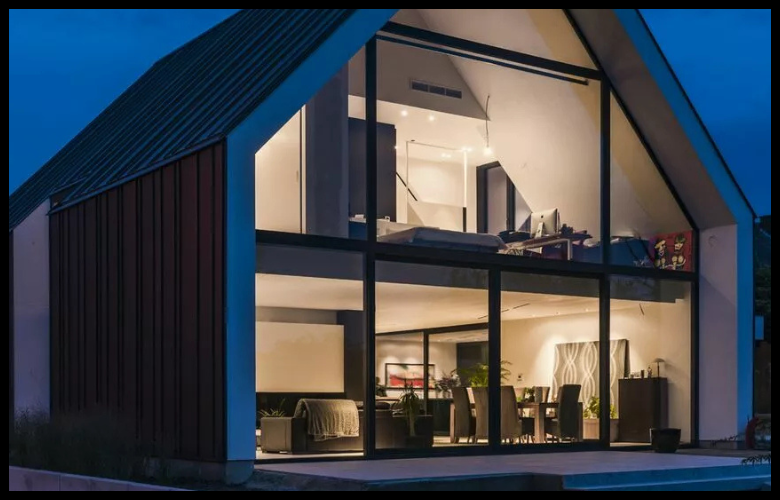
In the current landscape of commercial and residential development, the definition of “luxury” has undergone a fundamental shift. While aesthetic appeal remains a prerequisite, the 2026 market increasingly equates luxury with peace of mind. For developers, architects, and contractors, integrating advanced security features is no longer an optional upgrade—it is a core requirement of modern building specifications.
Specifically, the adoption of anti-burglar windows manufactured from high-grade aluminium has emerged as a strategic B2B investment. These systems provide a unique intersection of structural integrity, design flexibility, and long-term asset protection.
1. The Engineering Strength of Aluminium
Unlike traditional timber or uPVC, aluminium possesses an inherent strength-to-weight ratio that makes it the ideal material for high-security applications.
- Structural Rigidness: Aluminium profiles do not warp, twist, or expand significantly under thermal stress. This stability ensures that the locking mechanisms and glass seals remain perfectly aligned, preventing “lever points” that intruders often exploit.
- Resistance Classes (RC): Modern B2B projects typically demand compliance with European standards such as EN 1627. Aluminium systems are easily engineered to meet RC2 and RC3 levels, providing a certified barrier against both opportunistic and experienced burglars using sophisticated tools.
2. Aesthetic Versatility for Architects
One of the primary reasons architects favor aluminium for anti-burglar windows is the ability to achieve slim sightlines without compromising safety.
In modern “glass-heavy” developments, large spans of glazing are often the most vulnerable points. Aluminium’s strength allows for larger panes and narrower frames, supporting the minimalist, “light-filled” designs currently trending in urban architecture. Furthermore, the powder-coating process allows for an almost infinite palette of colors and textures, ensuring the security system complements the building’s facade rather than detracting from it.
3. Financial and Operational Benefits for Developers
From a B2B perspective, the “Smart Investment” aspect extends beyond the initial construction phase.
- Insurance Premium Reductions: Buildings equipped with certified burglar-resistant systems often qualify for significantly lower insurance premiums, a recurring saving that adds value for the eventual property manager or owner.
- Marketability and Value Retention: Properties that can market “Integrated Security” as a standard feature command higher rental yields and resale values. In a competitive market, these features act as a decisive “tie-breaker” for high-net-worth tenants and commercial clients.
- Low Maintenance, High Durability: Aluminium is naturally resistant to corrosion and does not require the frequent repainting or treatment that wood requires. For contractors and developers, this means fewer snagging issues and lower long-term liability.
4. Integrated Security: Beyond the Frame
A truly effective anti-burglar window is a holistic system. Modern B2B solutions incorporate:
- Safety Glass: Utilizing P4A or P6B laminated glass that remains intact even under heavy impact.
- Specialized Hardware: Multi-point locking systems and anti-drill plates that protect the internal handle mechanisms.
- Smart Integration: Many aluminium profiles are now designed to house concealed sensors that link directly to building management systems (BMS) for real-time security monitoring.
Conclusion
As we move through 2026, the demand for secure, sustainable, and beautiful buildings will only intensify. For those in the construction sector, choosing to install aluminium anti-burglar systems is an investment in the building’s longevity and the safety of its occupants. By neutralizing threats before they enter the building envelope, developers can ensure their projects remain desirable and secure for decades to come.