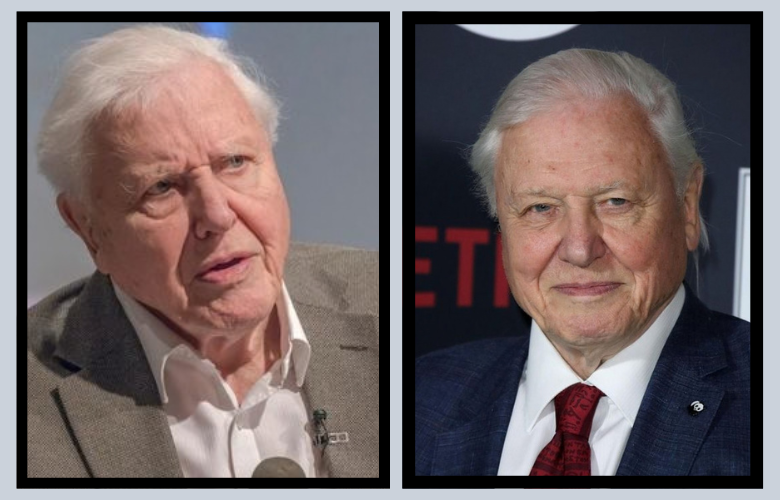
Robert Attenborough is a British biological anthropologist known for his contributions to human population biology, evolutionary anthropology, and public health research. Unlike his father, Sir David Attenborough, whose fame is global through broadcasting, Robert has focused on academia and research. His studies examine how genetics, environment, and social factors influence human growth, health, and demographic patterns. He has conducted extensive research among Indigenous communities in the Pacific, especially in Papua New Guinea, studying nutrition, adaptation, and human development. Robert Attenborouh’s work bridges field research and academic analysis, making him a respected figure in the study of human populations.
Who is Robert Attenborough?
Family Background and Early Influences
Robert Attenborough is the son of Sir David Attenborough and Jane Elizabeth Ebsworth Oriel, yet he has forged his own identity in the academic world. Growing up in a family renowned for scientific contribution, Robert was exposed early to natural history, biology, and research. This upbringing instilled a deep appreciation for the natural world and the importance of evidence-based study. While his father gained fame through broadcasting, Robert pursued academic excellence, focusing on human biology and anthropology. He has become known for his ability to combine rigorous scientific research with practical insights into human health and adaptation.
Early Life and Academic Foundations
Education and Interests
Robert Attenborough developed an early interest in human biology, population studies, and evolutionary anthropology. While much attention surrounded his father, he dedicated himself to understanding human growth, nutrition, and demographic patterns. His formal studies in evolutionary biology and human population research laid the foundation for a successful career in biological anthropology. Robrt Attenborough’s curiosity and analytical skills allowed him to approach complex problems in human health and adaptation. His early academic experiences shaped his perspective on the interaction between culture, environment, and biology, preparing him for years of influential research.
Academic Career and Research Focus
Teaching and Mentorship
Robert Attenborough has built a respected career in academia, teaching and mentoring students in anthropology, human biology, and public health. His work focuses on how environmental, social, and genetic factors influence human growth, health, and population patterns. He has conducted research on nutrition, disease, and lifestyle in Indigenous communities, demonstrating the importance of interdisciplinary approaches. Robrt Attenborough combines anthropology, evolutionary biology, and public health to advance knowledge in human adaptation. Through teaching and mentorship, he has guided numerous students toward careers in research, ensuring his influence extends beyond his own work.
Research Contributions
His research explores the complex relationship between culture, environment, and human health. Robert Attenborough examines how dietary habits, ecological conditions, and social practices affect growth and reproduction in human populations. He has contributed to understanding population biology and nutrition, providing valuable insights for both academic study and applied health policy. His studies are recognized for integrating fieldwork with theoretical frameworks, demonstrating how anthropology can inform modern health research. Robrt Attenborough’s contributions continue to shape knowledge in biological anthropology and human adaptation studies.
Fieldwork and Global Contributions
Work in Indigenous Communities
Field research has been central to Robert Attenborough’s career, particularly in Papua New Guinea, a region with extensive cultural and linguistic diversity. He investigates how environmental conditions, diet, and cultural practices influence growth, reproduction, and health outcomes. His field studies provide critical insights into human adaptation and development, helping scholars understand variation across populations. Robrt Attenborough emphasizes long-term observation and careful data collection, which enhances the reliability of his findings. His contributions have significantly impacted the study of human health, population biology, and cultural anthropology.
Academic Publications and Recognition
Scholarly Contributions
Robert Attenborough has authored numerous scholarly articles and book chapters exploring human evolution, nutrition, and demographic trends. His research is known for combining meticulous fieldwork with analytical rigor, contributing to both theoretical and applied anthropology. He examines how genetics, environment, and lifestyle factors affect health and population dynamics. Robrt Attenborough’s work is highly regarded for its originality and depth, influencing scholars and practitioners in anthropology and public health. His publications, mentorship, and teaching have helped shape the study of human populations and inspired future researchers.
Legacy and Influence
Impact on Anthropology and Human Health
Although less publicly visible than his father, Robert Attenborough has had a profound impact on anthropology and human health research. His studies of human adaptation, nutrition, and population biology have informed academic understanding and practical health approaches. Robrt Attenborough’s work emphasizes the importance of combining fieldwork, analysis, and interdisciplinary study. Through mentorship, he has guided students and researchers toward rigorous and meaningful studies. His legacy lies in bridging biology, culture, and environment to advance knowledge of human development, population health, and adaptation in diverse communities.
Frequently Asked Questions
1. Who is Robert Attenborough?
Robert Attenborough is a British biological anthropologist and academic known for his research in human population biology, evolutionary anthropology, and public health.
2. What is Robert Attenborough famous for?
He is recognized for his studies on human growth, nutrition, and adaptation, particularly among Indigenous populations in the Pacific.
3. Is Robert Attenborough related to David Attenborough?
Yes, Robert Attenborough is the son of Sir David Attenborough, but he has established his own career in academia and research.
4. Where has Robert Attenborough conducted his research?
Much of his fieldwork has been conducted in Papua New Guinea, studying Indigenous communities and human adaptation in diverse environments.
5. What are Robert Attenborough’s main research areas?
His research focuses on human population biology, evolutionary anthropology, nutrition, and the effects of environment and culture on health.
6. Has Robert Attenborough published any research?
Yes, he has authored multiple scholarly articles and book chapters on human evolution, population studies, and nutrition.
7. How has Robert Attenborough influenced students and researchers?
Through teaching, mentorship, and research, Robert Attenborough has guided many students and academics in anthropology and human health studies.
Conclusion
Robert Attenborough has built a distinguished career in biological anthropology, focusing on human population biology, evolutionary studies, and public health research. His work among Indigenous populations, particularly in Papua New Guinea, highlights the intricate relationship between culture, environment, and human health. Through decades of fieldwork, research, teaching, and mentorship, he has contributed significantly to the understanding of human adaptation and population dynamics. While less publicly visible than his father, Robrt Attenborough’s academic achievements and scholarly contributions have left a lasting impact on anthropology and human health studies. His legacy demonstrates the importance of rigorous research combined with practical insights, inspiring future generations of researchers and students in the field.