One of the most well-known landmarks in Central London is Piccadilly Circus, which is very popular among visitors because it provides an excellent starting point for visiting the West End area. The reason for its popularity is the combination of digital advertising displays, the historical fountain of Shaftsbury and the variety of things that are possible there. Due to the central location of Piccadilly Circus, it is convenient to combine sightseeing with shopping, eating out, visiting the theater and taking walks. There are such sights located near the place as Soho, Chinatown, Leicester Square and Regent Street. It is helpful to know all of this for both first-time and regular visitors.
Piccadilly Circus London: Meaning, History and Location
Piccadilly Circus London is a famous road junction in the West End where Piccadilly, Regent Street, Shaftesbury Avenue, Haymarket and Coventry Street meet. The word “circus” does not refer to entertainment or a circus show. It comes from the historical use of the term for a circular or open road junction. Its central position has made the area an important part of London’s transport, shopping and entertainment scene for generations.
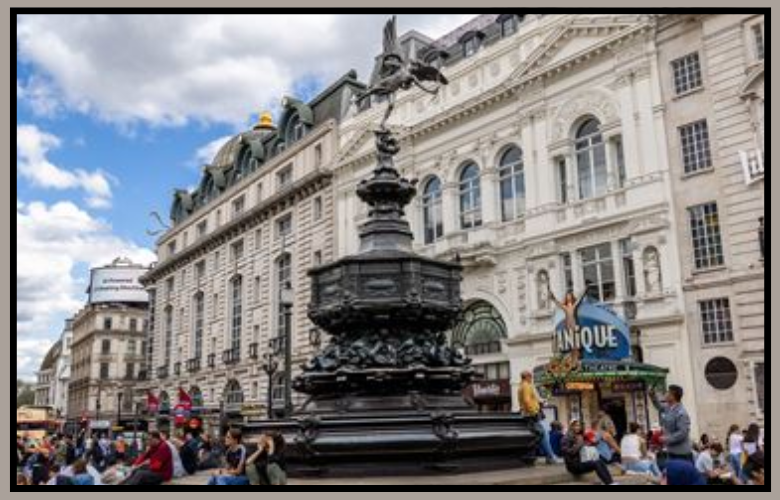
The name Piccadilly has a much older story. It is associated with “piccadills”, fashionable stiff collars that became popular in the early seventeenth century. Tailor Robert Baker made his fortune selling them and acquired property in the area. The junction was created in 1819 during John Nash’s redesign of Regent Street, helping improve movement through the West End. The Shaftesbury Memorial Fountain was later unveiled in 1893 in memory of Lord Shaftesbury.
The location has continued to change with London itself. Historic buildings now stand beside large digital advertising displays, while Underground trains operate beneath the streets. This mixture of architectural history, modern commerce and constant pedestrian activity gives the area its distinctive character. For tourists, it also provides a convenient gateway to several important parts of central London.
Piccadilly Circus Things to Do and Nearby Attractions
There are plenty of things to do around the junction, although the best experience usually involves exploring the surrounding area rather than staying in one place for several hours. Start by viewing the Shaftesbury Memorial Fountain and its famous winged figure. The large advertising screens provide another obvious attraction and create an impressive backdrop for photographs, especially after sunset.
From the junction, visitors can walk towards Regent Street for shopping, continue into Soho for restaurants and entertainment, or head towards Leicester Square and Chinatown. Trafalgar Square is also within walking distance, while Covent Garden and many West End theatres can be reached as part of a longer route. This makes the area particularly convenient for travellers who want to see several central London destinations without repeatedly taking public transport.
A useful sightseeing plan is:
- See the Shaftesbury Memorial Fountain and illuminated screens.
- Walk along Regent Street and explore the shops.
- Continue towards Soho and Chinatown for food.
- Explore Leicester Square and the surrounding theatre district.
- Continue towards Covent Garden or Trafalgar Square if you have more time.
The main advantage is flexibility. You can spend 20 to 30 minutes around the landmark or turn the visit into several hours of walking, shopping, eating and sightseeing. Planning nearby attractions together makes the experience more worthwhile than treating the junction as an isolated destination.
Directions, Maps and Walking Routes
Finding the area is straightforward because the Underground station is located directly beneath the junction. Visitors travelling by Tube can use the Bakerloo or Piccadilly line, both of which serve the station. Once you leave the Underground, the famous screens, fountain and surrounding streets are immediately nearby. This makes the location particularly convenient for first-time visitors to London.
Walking can also be an excellent option because many West End destinations are close together. Leicester Square, Soho and Regent Street can all be reached on foot, while Trafalgar Square provides another straightforward cc. Looking at a map before leaving can help you understand the surrounding roads because several major routes meet in this part of central London.
Your ideal walking route depends on what you want to see afterwards. A short route could connect the landmark with Leicester Square and Chinatown, while a shopping-focused journey could continue along Regent Street towards Oxford Circus. Travellers with more time can extend their walk towards Covent Garden, Trafalgar Square, St James’s or Green Park. Planning around your final destination can save time and reduce unnecessary journeys.
Piccadilly Circus Station and Transport
Piccadilly Circus station sits directly underneath the famous junction and provides connections on the Bakerloo and Piccadilly lines. Its central position means visitors can reach the area from several parts of London without needing to change transport close to the destination. The station is also useful when you have finished sightseeing and want to continue to another part of the capital.
The Underground station has an interesting architectural history. The original station opened in 1906, while later passenger growth resulted in major changes to the station. The circular ticket hall associated with architect Charles Holden became an important part of its design. The station is now recognised as a Grade II listed building, giving the transport hub historical interest as well as practical value.
Transport conditions can change because of engineering work, events and temporary service disruptions. Visitors with theatre bookings or timed activities should check current travel information before leaving. If you are already nearby, walking can sometimes be more convenient than entering the Underground for a very short journey between West End attractions.
Piccadilly Circus Shops, Food and Entertainment
The shops around the junction form part of a much larger shopping district. Regent Street is particularly important, with major retailers occupying its distinctive curved streetscape. Walking from the landmark towards Oxford Circus allows visitors to combine shopping with sightseeing and architectural views instead of treating the two activities as separate experiences.
Soho provides a different atmosphere, with restaurants, cafés, independent businesses and nightlife. Chinatown is also close, making it easy to find food before continuing towards Leicester Square or a West End theatre. Carnaby Street and other nearby streets offer further opportunities for shopping and exploring, giving visitors plenty of variety within a relatively small part of London.
The area works especially well for an evening itinerary. You can meet friends near the fountain, browse shops, eat in Soho or Chinatown and then walk to a theatre. Alternatively, you can explore the streets after a show and return to see the illuminated displays. This flexibility makes the location useful for both daytime sightseeing and evening entertainment.
Benefits, Pros, Cons and Practical Visitor Tips
One major benefit is its central position. A single visit can be combined with shopping on Regent Street, restaurants in Soho, food in Chinatown and entertainment around the West End. The public area is also free to visit, so it is an easy addition to a London sightseeing itinerary. Photographers can find plenty of visual interest in the fountain, surrounding architecture, traffic and illuminated screens.
There are disadvantages too. The area can become very crowded, particularly during busy evenings and weekends. Traffic, noise and constant pedestrian movement may not appeal to travellers looking for a quiet sightseeing experience. The main landmark can also be viewed relatively quickly, so visitors expecting a full-day attraction may find that there is not enough to do at the junction itself.
The best strategy is to combine the visit with nearby attractions. Comfortable shoes are useful if you plan to walk between districts, while visitors should take care around busy roads and keep personal belongings secure in crowded areas. An early visit can provide a calmer experience, while an evening trip offers the bright screens and lively atmosphere that many tourists associate with central London.
Frequently Asked Questions
What is Piccadilly Circus famous for?
It is famous for its illuminated advertising screens, historic fountain and central West End location. It is also a popular meeting point close to Soho, Leicester Square and Regent Street.
What does the name mean?
The word “circus” refers to a circular or open road junction rather than a circus show. The name Piccadilly is linked to fashionable collars known as piccadills.
What are the best things to do nearby?
Visitors can explore Regent Street, Soho, Chinatown and Leicester Square. West End theatres, restaurants, shops and other attractions are also close by.
How do you get there?
The Underground is one of the easiest options, with Bakerloo and Piccadilly line services. The station is directly beneath the junction, making access convenient.
Is the area free to visit?
Yes, the public area can be visited without an admission ticket. Visitors can see the fountain, screens and surrounding streets for free.
Conclusion
Piccadilly Circus continues to be one of the best-known landmarks in London and a valuable starting point for exploring the West End. With its well-known illuminated boards and fountain, it becomes another attraction easily added to the tourists’ sightseeing program. The place can be visited along with shopping at Regent Street, eating in Chinatown, having fun in Soho or visiting theatres near Leicester Square. The fact that it has a convenient Underground station means it is easy to reach the place and return back. Even if the crowd and traffic there are visible, it is possible to arrange an easy trip.