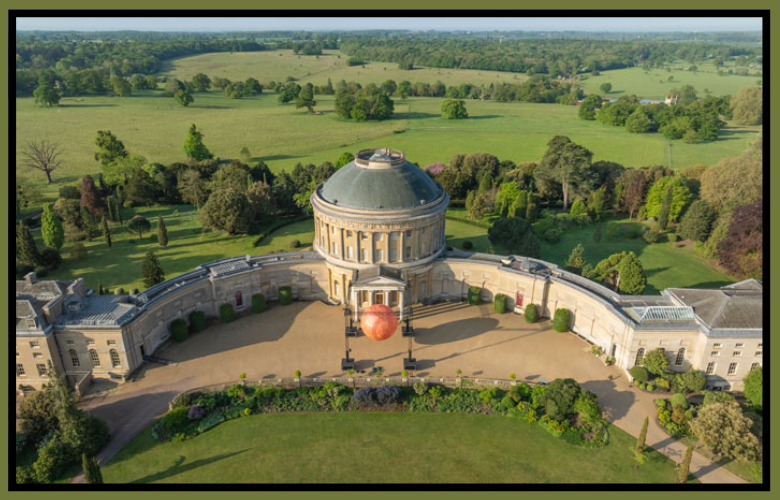
Ickworth House is an exceptional historic country house located just outside the town of Bury St Edmunds in Suffolk. This impressive estate is renowned for its architecture that has been inspired by Italy, the grand Rotunda and gardens as well as its large park. The home of the prestigious Hervey family, Ickworth gives visitors a glimpse into aristocratic lifestyle, history of art, architecture and the evolution of British society in general. In addition to being a typical attraction of a stately home, the site provides opportunities for walks, family facilities, cafés and the enjoyment of the picturesque countryside. From the magnificent historic interior to the Italian Garden and woods there is much to see.
Ickworth House History and the Hervey Family
The estate has a long history that began many centuries ago. The area appeared in the Domesday Book, and a deer park stood here by the thirteenth century. The Hervey family came to the estate in the fifteenth century. They stayed connected with the property for about 500 years. During this time, each generation changed parts of the house, gardens and land.
Frederick Hervey, the 4th Earl of Bristol, played a major role in the story. People often called him the Earl-Bishop. He travelled across Europe and loved Italian art and buildings. His travels inspired the design of the famous Rotunda. Work on the new building began in 1795. However, the Earl-Bishop died in 1803 before the project reached its end. His son later continued the work and helped finish the main building.
The Earl-Bishop also had a strong interest in art. He wanted the new building to display his large collection. French forces took many of his artworks during his time in Rome. Later family members continued to collect art and improve the estate. The building then became both a grand place for entertaining and a family home. This long story helps visitors understand why the estate looks and feels so different from many other country houses.
The Rotunda and Historic Interior
The Rotunda remains the most striking part of the estate. Its round shape gives the building a very different look from many British country houses. A large dome rises above the central space. Tall columns and classic details add to its grand appearance. The design shows the strong influence of the Earl-Bishop’s travels through Italy and Europe.
The historic interior tells another part of the story. Visitors can see grand rooms, artwork, furniture and decorative details. Some areas reflect the family’s formal lifestyle, while others show how they used the house as a home. The East Wing became an important part of family life. It offered a more private setting away from the grand spaces of the Rotunda.
The house also tells the story of its staff. A large country estate needed many workers to keep daily life running. Servants worked in different roles and followed a strict routine. Later changes brought better heating, lighting, bathrooms and other modern comforts. These details help visitors understand how life changed over time. They also show that a country house depended on many people, not just the family who owned it.
Ickworth House and Gardens
The gardens form an important part of the estate. The 1st Marquess of Bristol developed the Italianate Garden after travelling in Europe. He wanted the garden to match the grand style of the Rotunda. Formal lawns, clipped hedges and tall trees create strong views across the grounds. The design gives visitors clear views of the main building from several points.
The estate covers more than 1,800 acres. Visitors can explore open parkland, woodland and countryside as well as the formal garden. These areas provide a quieter experience away from the main house. Walking through the wider estate can also help visitors understand the scale of the property. It gives a better idea of how the original owners used and managed the land.
The landscape changes with the seasons. Spring brings fresh flowers and new growth. Summer gives the formal garden a bright and full appearance. Autumn brings colour to the woodland and parkland. These changes create good opportunities for photography. Visitors searching for Ickworth House photos can capture far more than the main building. The Rotunda, gardens, trees and countryside all offer different views.
Ickworth House Map, Playground and Café
The estate is large, so an Ickworth House map can help visitors plan their route. It shows the main areas and helps people find the house, gardens, car park and walking paths. A map can save time, especially for first-time visitors. Families can also use it to plan a route that includes the playground and café.
The adventure playground gives children a fun place to play near the car park. This makes the estate a good choice for families. Parents can spend time exploring the historic areas while children enjoy outdoor activities. The estate also has cafés where visitors can stop for drinks, snacks and light food. These facilities make it easier to spend several hours on the grounds.
Visitors can also find useful facilities such as toilets, parking and cycle facilities. Cycle hire gives people another way to explore the wider estate. Dogs can enter some parts of the parkland when kept on leads, although restrictions apply in certain areas. Visitors with access needs can also find support in suitable parts of the estate. Checking the current visitor information before travelling can help you plan a smoother day.
Ickworth House Hotel and Accommodation
The term Ickworth House hotel often appears in searches from visitors who want to stay near the estate. The historic East Wing has served as hotel accommodation. This gives guests a chance to stay in a building with a close link to the history of the estate. The change from family accommodation to modern hospitality also shows how historic buildings can find new uses.
Staying nearby can make a visit more relaxed. A day trip may not give you enough time to explore the house, gardens and parkland. An overnight stay gives you more time to walk and enjoy the area. It can also suit people who want to explore other parts of Suffolk. Bury St Edmunds offers a useful base for a wider trip around the region.
Check the latest accommodation details before making plans. Rooms, prices and facilities can change over time. Visitors can also choose hotels, guesthouses and other places to stay around Bury St Edmunds. A longer stay works well for photographers too. They can visit different viewpoints at different times and capture the Rotunda in changing light.
Why Visit? Benefits, Pros and Cons
The biggest benefit is the wide range of things to do. History fans can learn about the Hervey family. Architecture lovers can study the Rotunda and historic rooms. Garden lovers can explore the formal planting and wider landscape. Walkers can follow paths through the parkland and woodland. Families also have outdoor facilities that add variety to the day.
The main benefits include:
- Italian-style architecture and the famous Rotunda
- Long and interesting family history
- Historic rooms and art collections
- Formal Italianate gardens
- Large parkland and woodland
- Adventure playground for children
- Cafés and useful visitor facilities
- Walking and cycling routes
- Good photography opportunities
- Accommodation options in and around the estate
There are a few things to consider before visiting. The estate is large, so you may need several hours to see the main areas. Rain can also affect walks and garden visits. People who mainly want to see castles may prefer another attraction. However, these points do not reduce the estate’s appeal for most visitors. The mix of indoor and outdoor attractions lets people change their plans during the day.
Frequently Asked Questions
1. Where is Ickworth House located?
Ickworth House is located near Bury St Edmunds in Suffolk, surrounded by extensive parkland, gardens and woodland. Its peaceful countryside setting makes it suitable for both heritage visits and outdoor activities.
2. What is the estate famous for?
The estate is particularly famous for its impressive Italianate Rotunda, historic architecture, art collections, Italianate Garden and long association with the Hervey family.
3. Can visitors explore the historic interior?
Yes, visitors can explore selected historic rooms and discover the architecture, artwork, furnishings and stories connected with the former residents and household staff.
4. Is there a playground for children?
Yes, an adventure playground is available near the car park. It provides families with an outdoor activity that can be combined with exploring the gardens and wider parkland.
5. Is there a café for visitors?
Yes, café facilities are available within the estate, offering refreshments, snacks and drinks. This makes it convenient to take a break during a longer visit.
Conclusion
In summary, the Ickworth House makes for an excellent attraction for all those who enjoy history, architecture, gardens and the English countryside. The majestic Rotunda, rich history of the Hervey family and the special Italianate architecture of the house make for a fascinating heritage visit, and there is much walking and photography to be done at the gardens and parkland around. Families can take advantage of the adventure playground and the cafe facilities on offer at this estate, which thus caters to different age groups. Enough time should be allocated for the visiting of the surroundings of the estate, as they form a crucial part of the whole experience.