The **globe theatre london** is a well-known cultural site that links visitors with Shakespeare, the Elizabethan era, and the history of live theater. The rebuilt theatre, which is situated on the South Bank of London, by the River Thames, gives an insight into the way in which people watched plays hundreds of years ago. Its open air structure, stage design and proximity of actors to the audience distinguish it from many other theatres. Visitors can tour around the theatre, see shows, take a tour and learn more about the Shakespearean theatre world. From the original theatre building and its interesting history to tickets, location, season plays and popular shows, there are many aspects that make it worthwhile to visit.
The Original Globe Theatre and Its History
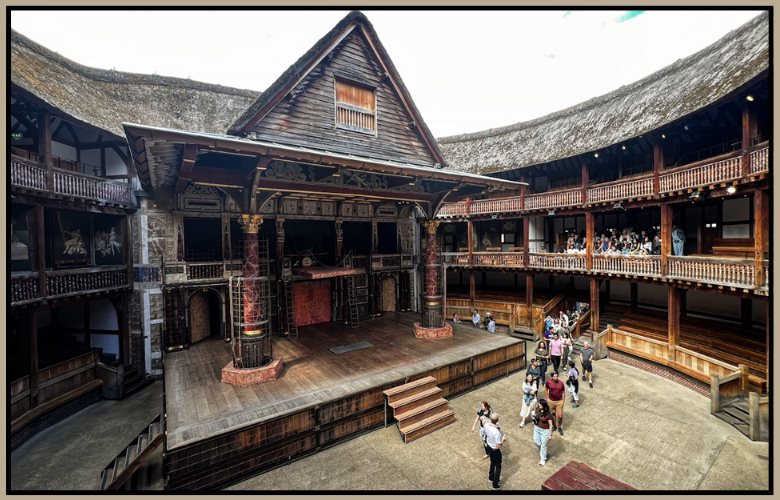
The original Globe Theatre was built in 1599 by Shakespeare’s playing company, the Lord Chamberlain’s Men. It became closely associated with some of Shakespeare’s best-known works and helped establish the style of public theatre that became popular in Elizabethan London. The building was a large circular or polygonal wooden playhouse with an open yard in the centre. Unlike many modern theatres, there was no conventional roof covering the central performance space.
The audience experience was also very different from modern theatre. Some visitors stood in the yard close to the stage, while others paid more for seats in the surrounding galleries. Performances usually took place during daylight because the original building did not depend on modern lighting. The close relationship between performers and spectators created an energetic atmosphere and made audience reactions an important part of the event.
The first Globe was destroyed by fire in 1613 after a cannon used during a performance of Henry VIII caused the thatched roof to catch fire. The theatre was rebuilt the following year but eventually closed in 1642 when theatres were shut during Puritan rule. Centuries later, actor and director Sam Wanamaker helped develop the modern reconstruction, which opened in 1997 close to the original site.
Where Is the Globe Theatre and How Does the Map Help?
The theatre is located on London’s South Bank beside the River Thames. Its position places it close to several major attractions, including Tate Modern, Millennium Bridge and Borough Market. The riverside setting makes the area particularly suitable for walking, and visitors can enjoy views across the Thames while travelling to or from the theatre.
A map can be useful when planning your route because the South Bank contains several pedestrian paths, streets and cultural attractions. Visitors can reach the theatre from several nearby stations, while walking from London Bridge or Blackfriars can provide a pleasant route along the river. Waterloo is another useful transport option for people combining the theatre with other central London attractions.
The location also has historical significance. In Shakespeare’s period, theatres were often built outside the City of London, partly because of restrictions placed on public performances. The South Bank became an important entertainment area, and the reconstructed theatre helps visitors connect the modern riverside with this earlier chapter of London’s history.
Globe Theatre Tickets and What to Expect
Ticket options depend on whether you want to see a performance, take a guided tour or experience another educational activity. Performance tickets can include standing positions in the yard or seated places in the galleries. The standing experience provides a closer connection with the traditional audience arrangement, while gallery seating can be more comfortable for visitors who prefer to remain seated during a longer production.
Before booking, it is useful to check the production details, start time, running time and seating arrangements. The theatre’s open-air design means weather can influence the experience, particularly during cooler or wet conditions. Comfortable clothing is therefore important, and visitors should consider bringing suitable protection from rain or changing temperatures.
Planning checklist:
- Check the performance or tour time before travelling.
- Choose standing or seated tickets according to your preference.
- Check accessibility arrangements if required.
- Wear comfortable footwear for walking around the South Bank.
- Consider the weather before attending an outdoor performance.
- Allow time to explore nearby attractions.
Ticket prices and availability can vary depending on the production and date. Checking the latest information before booking is therefore important, particularly if you are travelling to London specifically for a particular Shakespeare play or event.
The 2026 Season and Major Shakespeare Plays
The Globe Theatre 2026 season provides opportunities to experience Shakespeare and other theatrical productions in a setting inspired by Elizabethan performance traditions. The programme can include well-known Shakespeare plays, new interpretations and other productions designed for the unique stage. Individual shows may have different performance schedules, running times and age guidance.
One of the main attractions of seeing a play here is the relationship between actors and spectators. The open stage places performers in close contact with the audience rather than separating them behind a conventional stage arrangement. This can make movement, music, costumes and audience reactions particularly noticeable during a performance.
Visitors interested in the 2026 programme should check the current schedule before making travel arrangements. The theatre also provides opportunities to learn about Shakespeare through tours, workshops, talks and educational activities. These experiences can add useful context for people who know Shakespeare mainly through books or school studies and want to understand how his plays work when performed live.
As You Like It and A Midsummer Night’s Dream
As You Like It is one of Shakespeare’s comedies that can work particularly well in an open-air theatre. Its themes include identity, relationships, disguise and life away from court. The movement between different settings also gives directors considerable freedom when creating the visual world of the production. A live performance can highlight elements of the play that may be less obvious when reading the text alone.
A Midsummer Night’s Dream is another Shakespeare comedy that suits an imaginative theatre environment. Its mixture of lovers, fairies, mistaken identities and comic situations creates opportunities for creative staging, movement, music and visual effects. Seeing the play performed outdoors can add a different atmosphere to a story that already focuses heavily on forests, dreams and magical encounters.
Both plays demonstrate why live Shakespeare can feel different from studying Shakespeare as literature. Actors use voice, movement and expression to communicate meaning, while the audience contributes through laughter, silence and reactions. Even visitors who are unfamiliar with Shakespeare can follow much of the story through performance, making these productions suitable for a broad range of theatre-goers.
Benefits, Pros, Cons and Practical Visitor Tips
A visit offers several benefits for people interested in history, literature, architecture and theatre. The reconstructed building provides a physical sense of the environment associated with Shakespearean performance. Instead of only reading about Elizabethan theatre, visitors can see the stage arrangement, galleries and open yard and gain a clearer understanding of how audiences and actors interacted.
The location is another practical advantage because the theatre can easily form part of a wider South Bank itinerary. Visitors can combine a theatre experience with a riverside walk, nearby cultural attractions, food markets and other central London destinations. However, there are some disadvantages. Outdoor performances can be affected by rain or cold weather, while standing tickets may not be suitable for everyone. Shakespeare’s language may also require extra concentration for first-time audiences.
To make the most of a visit, arrive with enough time to find the entrance and become familiar with the building. Wear comfortable footwear, check the weather forecast and consider your seating preference before purchasing a ticket. If you are unfamiliar with the play you are seeing, reading a short summary beforehand can make the performance easier to follow. Allowing additional time for the surrounding South Bank area can also turn a theatre visit into a fuller day out.
- Also Read. Michael Caine Wife Shakira Caine Biography
(FAQs)
What is the Globe Theatre?
The Globe Theatre was an Elizabethan playhouse associated with William Shakespeare and his acting company. The modern reconstruction recreates many features of the original theatre and provides visitors with an insight into historic theatrical traditions.
Where is the Globe Theatre located?
The theatre is situated on London’s South Bank beside the River Thames. It is close to attractions such as Tate Modern, Millennium Bridge and Borough Market, making it convenient to include in a wider sightseeing itinerary.
Can you visit the Globe Theatre without seeing a play?
Yes. Visitors can explore the building through tours and educational experiences without necessarily attending a performance. These experiences explain the theatre’s history, architecture and connection with Shakespeare.
How can I buy Globe Theatre tickets?
Tickets are available for performances, tours and other experiences. Prices and availability vary depending on the production and date, so visitors should check the latest booking information before planning their visit.
Is the Globe Theatre open all year?
The theatre offers activities and performances throughout different parts of the year, but the schedule varies by season. Visitors should check the current programme before travelling, particularly during winter or around special events.
Conclusion
One of the places one can visit when in London is the **globe theatre london**, which is an impressive way to learn more about Shakespeare, Elizabethan theatre, and even some aspects of cultural history of London. One can have a better understanding of how plays used to be performed due to its reconstruction as well as get an idea of how they can be performed today in the modern program at the theatre. As one can participate in different activities, such as visiting the theatre and learning about it and seeing a play, there is no doubt that one will find something interesting. Since the theatre is located on the South Bank, it is easy to combine it with other visits as well.