When searching for a new home, buyers often come across terms like freehold and leasehold. While these distinctions are commonly used in the UK property market, they are not always fully understood—particularly by first-time buyers. Among the two, freehold ownership is often seen as the more straightforward option, but it still comes with its own set of considerations.
In this guide, we’ll explore what freehold property really means, break down common myths, and help you understand whether it is the right choice for your circumstances.
Myth 1: Freehold Means You Have No Responsibilities
One of the most common assumptions is that owning a freehold property means complete freedom with no ongoing obligations.
The reality of ownership
While freehold ownership gives you full control over the property and the land it stands on, it also means you are entirely responsible for:
- Maintenance and repairs
- Structural upkeep
- Insurance
Unlike leasehold properties, where some responsibilities may be shared or managed by a freeholder, freehold owners must handle all aspects themselves.
Myth 2: Freehold Properties Are Always Better Than Leasehold
Freehold properties are often viewed as the superior option, but this is not always the case.
Understanding the differences
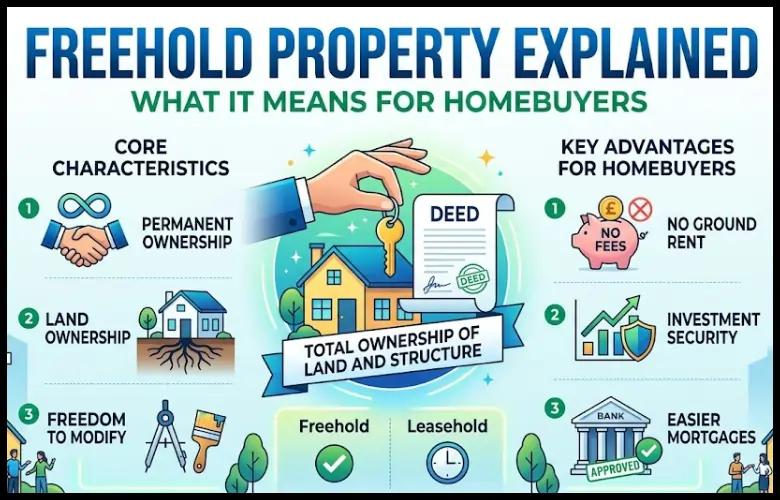
Freehold ownership offers:
- Full control over the property
- No ground rent or service charges
- Greater long-term security
However, leasehold properties can sometimes provide benefits such as managed maintenance and shared amenities. The best choice depends on your lifestyle, budget, and preferences.
Local insights from professionals, such as estate agents in Chelmsford, can help buyers understand which type of ownership is more suitable in a specific area.
Myth 3: Freehold Properties Are Always Houses
Many buyers assume that freehold ownership only applies to houses. While this is often true, it is not a strict rule.
Exceptions to the norm
Some flats may be sold as “share of freehold,” where ownership of the building is shared among residents. Additionally, certain developments may offer variations of freehold arrangements.
Understanding the specific ownership structure is essential before making a purchase.
Myth 4: Freehold Ownership Is Simpler
Freehold is often described as the simpler option compared to leasehold, but this does not mean it is without complexity.
What buyers should consider
- Legal checks during the purchase process
- Potential restrictions or covenants on the property
- Responsibilities for boundaries and land use
Even with freehold ownership, it is important to carry out thorough due diligence to avoid unexpected issues later on.
Myth 5: There Are No Restrictions on Freehold Properties
Owning a freehold property does not necessarily mean you can do whatever you like with it.
Common restrictions
Properties may be subject to:
- Planning regulations
- Restrictive covenants
- Local authority rules
For example, you may need permission for extensions, alterations, or changes in land use. Understanding these restrictions in advance can help you make informed decisions.
Myth 6: Freehold Properties Are Always More Expensive
While freehold properties are often associated with higher prices, this is not always the case.
Factors influencing price
Property value depends on:
- Location
- Property type
- Market demand
- Condition and size
In some areas, the price difference between freehold and leasehold properties may be minimal. Consulting with estate agents in Chelmsford can provide a clearer picture of local pricing trends and help buyers assess value accurately.
Myth 7: You Don’t Need to Budget for Ongoing Costs
Some buyers assume that once they have purchased a freehold property, their ongoing costs will be minimal.
Ongoing financial commitments
Freehold owners should budget for:
- Maintenance and repairs
- Insurance
- Utility costs
- Potential renovations
Unlike leasehold properties, there is no managing agent to share or coordinate these costs, so financial planning is essential.
Myth 8: Freehold Ownership Has No Impact on Resale
Ownership type can influence how a property performs in the market.
Why it matters for resale
Freehold properties are often more attractive to buyers due to:
- Simplicity of ownership
- Lack of lease-related complications
- Long-term security
However, resale value still depends on broader market conditions and the property’s overall appeal.
Myth 9: The Buying Process Is Faster for Freehold
While freehold transactions can sometimes be more straightforward, they are not always quicker.
What can affect timelines
- Legal checks and surveys
- Mortgage approvals
- Property chains
The process can still take time, so buyers should be prepared for potential delays regardless of ownership type.
Myth 10: Freehold Is Always the Right Choice
Freehold ownership offers many advantages, but it is not automatically the best option for every buyer.
Choosing what suits you
Your decision should be based on:
- Lifestyle preferences
- Budget and financial goals
- Willingness to manage maintenance
For some buyers, the convenience of leasehold living may outweigh the benefits of freehold ownership.
Conclusion: Making an Informed Property Decision
Freehold ownership is often seen as the gold standard in the UK property market, offering control, security and long-term value. However, as with any property decision, it is important to look beyond the surface and understand the full picture.
By challenging common myths and considering factors such as responsibilities, costs and restrictions, buyers can make more informed choices. Whether you are purchasing your first home or expanding your property portfolio, understanding what freehold really means is key to a successful investment.
Ultimately, the right choice is the one that aligns with your needs, lifestyle and future plans—ensuring that your property not only meets your expectations today but continues to serve you well in the years to come.