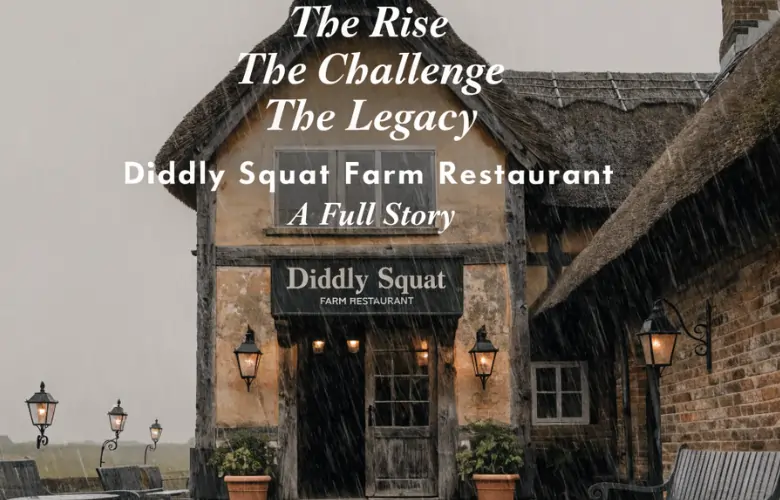
Diddly Squat Farm Restaurant turned out to be one of the most interesting concepts of a rural restaurant in Britain, which emerged after being featured in the TV show “Clarkson’s Farm.” This project was established on an active farm in the Cotswold countryside and represents a quaint, rustic dining venue centered around fresh and locally sourced produce. It gained incredible popularity among visitors seeking an authentic experience of life on the farm, along with seasonal dishes. The fame and popularity of this unique restaurant came very quickly as a result of media coverage, and soon enough, it started drawing tourists like crazy.
What is Diddly Squat Farm Restaurant?
The Diddly Squat Farm Restaurant was a temporary dining concept created inside a converted barn on a working farm in the Cotswolds. It was designed to serve simple, seasonal meals made from ingredients produced on the farm or sourced locally.
The concept was intentionally rustic and basic. Instead of offering luxury dining or fine dining experiences, it focused on authentic countryside food served in a farm environment. Wooden furniture, barn interiors, and open seating created a setting that reflected real agricultural life.
The restaurant became widely known after appearing in Clarkson’s Farm, which brought global attention to the farm and turned it into a major tourism destination almost overnight.
Concept and Vision Behind the Restaurant
The idea behind the Diddly Squat Farm Restaurant was to show how food is produced and consumed within a real farming system. It aimed to close the gap between agriculture and dining by allowing visitors to eat directly from the source.
Everything about the restaurant reflected simplicity and practicality. The seating arrangement was informal, the décor was minimal, and the menu was based entirely on seasonal availability. If ingredients were available, they were used. If not, the menu changed accordingly.
This flexible approach made the restaurant different from traditional hospitality businesses. It was less about consistency and more about reflecting real farming conditions and natural food cycles.
Rise in Popularity Through Television Exposure
The popularity of the Diddly Squat Farm Restaurant increased rapidly after Clarkson’s Farm became a global success. The television series introduced audiences to the realities of farming and showcased the challenges of running a rural agricultural business.
After the show aired, large numbers of visitors began traveling to the farm. People were not only interested in the food but also in experiencing the real-life location featured on television.
This sudden increase in tourism transformed the farm into a major rural attraction. What started as a small farming project quickly became a nationally recognized destination.
Dining Experience at Diddly Squat Farm Restaurant
The dining experience at the Diddly Squat Farm Restaurant was intentionally simple and informal. Guests were seated in a barn-style environment with wooden tables and minimal decoration.
The atmosphere reflected real farm life rather than a commercial restaurant. There was no fine dining presentation or complex service structure. Instead, the focus was on simplicity and authenticity.
The menu changed frequently depending on what was available seasonally. This meant dishes were always fresh but not fixed in advance. Meals were based on traditional British countryside cooking, using locally sourced ingredients.
Why the Restaurant Became So Popular
The Diddly Squat Farm Restaurant became popular for several reasons beyond food alone. It turned into a cultural and tourism phenomenon.
Key reasons for its popularity included:
- Global success of Clarkson’s Farm
- Strong interest in rural farming life
- Unique farm-to-table dining concept
- Authentic countryside setting
- Viral social media exposure
- Tourism appeal of the Cotswolds region
This combination created exceptional demand that far exceeded expectations for a rural farm-based project.
Planning Restrictions and Operational Challenges
Despite its success, the restaurant faced serious challenges. The most significant issue was planning permission, as it operated on agricultural land with strict development rules.
Local authorities raised concerns about traffic congestion on narrow rural roads. The infrastructure was not designed to handle large numbers of visitors, especially during peak tourist periods.
Parking limitations, environmental concerns, and disruption to nearby villages added further pressure. These issues made long-term operation increasingly difficult.
Why Diddly Squat Farm Restaurant Closed
The closure of the Diddly Squat Farm Restaurant resulted from planning enforcement and regulatory limitations. The structure was initially approved as a temporary facility, but visitor demand quickly exceeded expectations.
As tourism increased, authorities enforced planning conditions that restricted continued operation. This ultimately led to the restaurant being permanently shut down.
Although the closure disappointed many visitors, it highlighted the challenges of balancing rural tourism growth with planning regulations and infrastructure capacity.
What Remains at the Farm Today
Even after the restaurant closed, the farm remains active and continues to attract visitors. The most popular attraction today is the farm shop, which sells locally produced goods and farm-related merchandise.
The surrounding Cotswolds countryside also continues to attract tourists. Many visitors travel to the area because of its connection to the television series and its scenic rural environment.
The site continues to function as a blend of agriculture and tourism, even without the restaurant operating.
Visitor Experience and Travel Advice
Visitors planning to explore the former restaurant location should be aware that it is a rural site with limited infrastructure. Roads are narrow, and traffic can become heavy during peak seasons.
Useful travel advice includes:
- Visiting on weekdays for fewer crowds
- Arriving early in the day
- Expecting limited parking availability
- Preparing for rural driving conditions
- Checking weather before travel
- Exploring nearby Cotswolds attractions
Proper planning can significantly improve the overall experience.
Interesting Facts About the Farm Restaurant
The Diddly Squat Farm Restaurant is a strong example of how media can transform rural tourism. A working farm became a global tourist destination within a very short time.
Visitor numbers increased dramatically after the television series aired. While this created economic opportunities, it also exposed limitations in rural infrastructure and planning systems.
Today, the farm shop remains one of the most well-known rural retail destinations in the UK.
(FAQs)
1. What was Diddly Squat Farm Restaurant?
The Diddly Squat Farm was a temporary barn-style dining concept located on a working farm in the Cotswolds. It served simple, seasonal meals made from locally sourced ingredients and became famous after appearing in Clarkson’s Farm.
2. Where was the restaurant located?
It was located at Diddly Squat Farm in Oxfordshire, in the Cotswolds countryside of England. The rural setting was part of its appeal, offering visitors a farm-based dining experience.
3. Why did Diddly Squat Farm Restaurant become popular?
It became popular mainly due to the success of Clarkson’s Farm. The combination of television exposure, unique farm dining, and rural tourism interest attracted thousands of visitors.
4. What kind of food was served there?
The restaurant served simple British countryside dishes using seasonal and locally sourced ingredients. The menu changed regularly depending on what was available from the farm and nearby producers.
5. Why did the restaurant close?
It closed due to planning permission restrictions, traffic concerns, and infrastructure limitations. The site was approved as a temporary structure, and increased visitor numbers led to regulatory enforcement.
Conclusion
Finally, the Diddly Squat Farm Restaurant can be described as another great example of how media has the power to turn a straightforward rural idea into an object of attention on a national level. Despite the fact that it existed for such a short time, it managed to draw attention to various aspects of farming, rural tourism, and planning constraints in the UK. The idea of providing customers with a wide range of products from a typical farm along with the opportunity to eat food prepared using those products became very popular not only in the UK but throughout the world.