It was not long ago that most surgeries involved long hospital stays, weeks of painful recovery and big incisions. That’s not the picture it looks like these days. Today, with sophisticated surgical technology, doctors practice surgery – and patients recover – without a word.
Today, robotic procedures are being performed throughout the world with procedures once thought to be amazing. The Da Vinci Surgical System has been the catalyst in this revolution and transformed millions of lives.
What Is Da Vinci Robotic Surgery?
Simply put, Da Vinci Robotic Surgery minimally invasive surgical approach that uses robotic platform assist surgeons during complex procedures. The system is not autonomous – at each step, a highly-trained surgeon is in full control.
The technology is one that provides the surgeon with greater precision, vision and range of motion than the human hand can offer. It converts the surgeon’s hand movements into smaller, but very precise ones in the body, resulting in a safer and more refined process.
How the Da Vinci Surgical System Actually Works
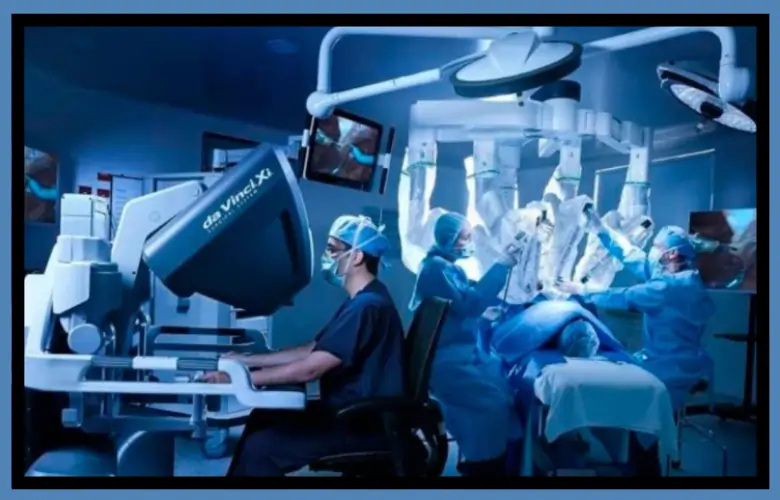
The system consists of three main parts, seamlessly integrated. The first is the surgeon’s console, which is where the surgeon sits, and sees a highly magnified, 3D images of the surgical site. This clarity of vision enables surgeons to see details they might not otherwise be able to see.
Secondly, the robotic arms. The surgical instruments are stored in these arms and lie close to the patient on another stand. Surgeons control their actions in real-time from the console. The arms are capable of movements that are not possible with human arms, and are also flexible enough to bend when required, which makes it easy to reach into restricted areas with incredible dexterity.
Last but by no means least, the camera system gives a high quality, live feed of the operating field. The 3D imaging, the precise movements of the robots and the constant control of the instruments represent a truly impressive surgical leap forward.
The Benefits Patients Actually Feel
The small incisions are one of the more popular benefits of this technique. The surgeons make several small incisions rather than one big incision, thus causing a great deal less pain following the surgery. Most patients also have less blood loss during surgery and thus have less complications and have a lesser chance of being given blood.
Robotic surgery is also outstanding in the realm of recovery. Patients leave the hospital within one or two days, and resume normal activities much sooner than following a conventional open surgery. Scars are very small which is important to many people not only for cosmetic reasons, but because the smaller the scars the less damage to tissue. The accuracy of such a system is also helpful in avoiding harm to other organs and nerves in the vicinity.
Procedures Commonly Performed Using This Technology
The Da Vinci system is now utilized in a number of medical specialties. It has been a common practice in urology surgery, such as prostatectomies, kidney surgeries, bladder surgeries, etc. In gynecology, it is used in the removal of fibroids, treatment of endometriosis and for hysterectomy. This technology is also improving the effectiveness of general surgery, for example, in repairing hernias and performing colon and gallbladder surgeries.
Another area in which the use of robotic-assisted procedures has been very beneficial in cancer treatment is in the field of surgery. It is employed in surgical oncology by surgeons to remove tumors in the prostate, kidney, cervix and colon, where the greatest level of accuracy is required to ensure preservation of surrounding healthy tissue.
Why So Many Patients Are Choosing Robotic Surgery
Patients are attracted to robotic surgery for a number of very practical reasons, in addition to the medical benefits. Shutting down the hospital for a shorter period translates to less time away from family, work and everyday life. There will be less scarring and physical recovery will be more comfortable. Increased healing means individuals will be able to be up and about sooner than they would be otherwise, and with less reliance on pain medication.
Growing confidence in the technology, too. More and more hospitals are implementing these systems, and more and more surgeons are being trained in these procedures, so patients are at ease knowing that the procedures are not experimental.
How to Prepare for Your Surgery
Minimally invasive surgery of this type is prepared by a comprehensive consultation with your surgeon. They’ll examine your medical history, perform any tests that are needed and explain to you exactly what you can expect. As a rule, blood tests, imaging scans and medication reviews are a crucial component of the pre-op process.
Your surgery team will also guide you through recovery planning: How to plan for recovery at home, activities to avoid and when you can slowly get back to your normal routine. It’s important to have reasonable expectations. It’s a quicker recovery period than from standard surgery, but your body still needs adequate recovery.
Risks and Limitations Worth Knowing
As with all surgical treatments there are risks involved with robotic surgery. This can be due to infection or bleeding, or to reactions to anaesthetic. However, in a small number of cases, technical problems with the robotic system may occur, and the surgeon may have to change to a “traditional” procedure during surgery. There is also a need for special training of the system and not all hospitals have the equipment and expertise to carry out the system.
It is also important to keep in mind that robotic surgery is not appropriate for all patients and/or conditions. It’s important to note that your surgeon is the most qualified expert to determine if this is the best course of action for your particular case.
The Hospital and Surgeon Matter More Than You Think
Just as crucial as selecting the procedure, selecting the right medical facility and surgical team is essential. The hospital’s experience and training level, as well as surgeon experience and training level, play a key factor in the outcomes of robotic surgery. Higher volume institutions are more likely to have consistent patient satisfaction, fewer complications and better outcomes.
Liv Hospital is one example of a medical center that combines advanced robotic surgical technology with experienced, internationally trained specialists. With state-of-the-art technology and trained experts available to their patients, the entire process from consultation to recovery can run a lot more smoothly.
What Recovery Looks Like After Surgery
Patients are often surprised at how easy it is to get through the healing stage following a robotic surgery. As with open surgery, the first few days could be uncomfortable, some fatigue, and only minor movement, but more seldom than with open surgery is there any serious pain. Walking is generally promoted early on to prevent blood clots and promote healing, because it is generally encouraged.
Post-operative visits are very important. Your surgeon will check for healing, remove sutures/staples, and allow you to start moving around more and more. There are several other things to consider when taking care of yourself after surgery, such as eating well, drinking plenty of fluids, getting rest and avoiding overexertion during the first few weeks.
Final Word
Robotic surgery is one of the greatest advances in modern medicine. It’s not a matter of surgeons being replaced, it’s a matter of providing them with more tools to be able to do what they do with even more care and precision. In patients, it translates to safer surgeries, reduced pain and quicker recoveries to their lives. If you or a loved one is considering surgery, it’s important to talk to a trained practitioner to determine if the surgery is right for you. The technology is there, the results are proven and the patient experience is better each year.
Frequently Asked Questions
1. Is Da Vinci Robotic Surgery safe?
Yes, it comes with a safety rating for most of the eligible patients. As with any surgical procedure, there are risks but, overall, it is considered a safe procedure when performed by experienced surgeons in well-equipped hospitals.
2. What is the average duration of the surgery?
The length of time depends on the procedure. Depending on the type of surgery, the procedure can last for less than an hour or for up to 2-4 hours. Your surgeon will provide you with a definite number at your consultation.
3. Am I going to hurt afterwards from the robotic surgery?
There is freedom of movement, and some pain is to be expected, but for most patients, the discomfort is not as great as it would have been with open surgery. Post-operative pain is dealt with using medicines.
4. When can I go back to work?
Many patients can go back to light-duty work in one to 2 weeks. Patients with strenuous occupations or physical activity may need a longer period of recovery, up to 3-6 weeks depending on the procedure.
5. Is there insurance coverage for robotic surgery?
This coverage is subject to change and is dependent on the provider and country. Make sure to contact your insurance provider and the hospital’s financial counselor before your procedure to find out how much of the expense is covered.