For an economy to thrive, it needs access to the right skills and knowledge. A workplace that’s filled with people who know exactly what they’re doing is obviously going to perform better than one that’s filled with people who don’t.
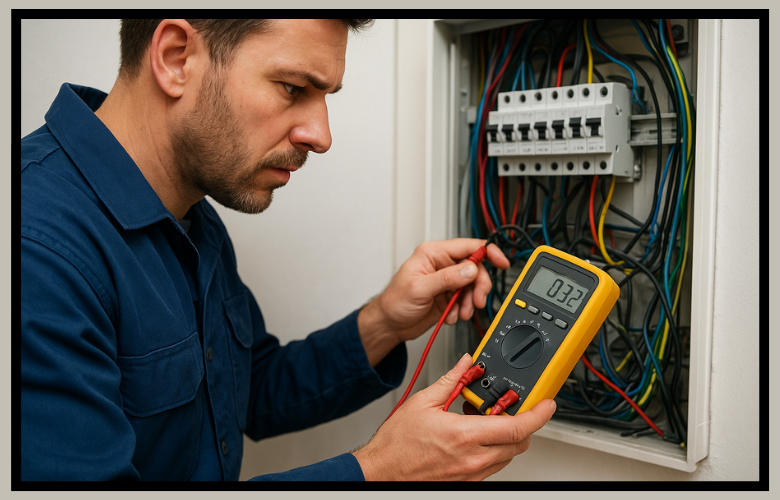
In certain trades, skilled work is absolutely indispensable. For want of an experienced electrician, plasterer, or plumber, many construction projects have ground to a halt.
The Growing Demand for Skilled Workers Across Britain
So, just how widespread is the skills crisis in the UK? According to research from Barclays, around nine in ten manufacturers reported taking on more responsibility to train their own workers. A lack of skills was reported as the biggest barrier to growth, being cited by around three quarters of respondents.
Why Proper Equipment Matters from Day One
In many cases, skilled labour means the ability to use specialised equipment. In construction, a range of tools for cutting, drilling, mixing and measuring might be brought to bear – but these things are only effective when the person wielding them understands what they’re doing.
Part of this understanding, of course, should be the ability to judge the quality of tools, and to see when repairs and replacements are necessary.
Creating a Strong Safety Culture for Apprentices
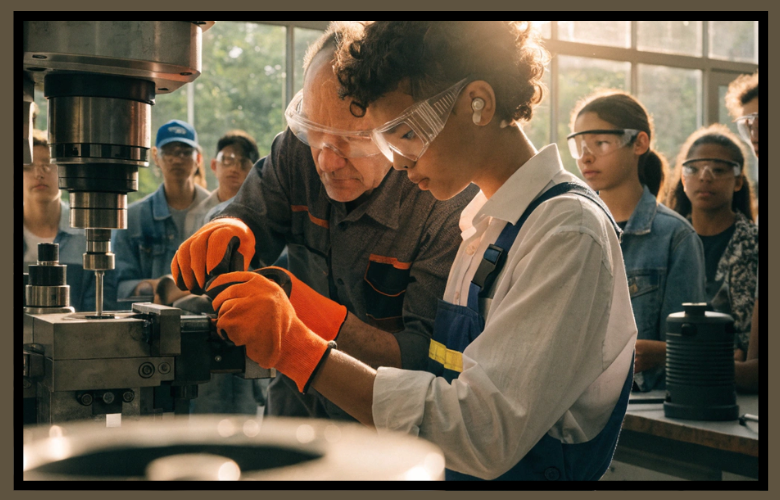
More broadly, new apprentices should be trained to watch out for safety risks, and to escalate things when appropriate. According to the Health and Safety Executive, workplace injuries cost the UK economy around £22 billion in 2023/24. Anything that can be done to bring this number down is surely worth doing. What’s more, adequate training will often lower a company’s exposure to legal risk.
The Link Between Comfort, Confidence and Productivity
When workers are comfortable and confident, the quality of their work will tend to improve – to an extent. Having measures and limits in place to ensure a good work-life balance, and to allow workers to get plenty of sleep, can be essential.
How Employers Can Improve Retention Through Better PPE
At the same time, the provision of quality personal protective equipment might send a message to recruits that their welfare is being considered. On top of this, you might directly reduce the likelihood of a problem developing. This might mean investing in specialised equipment, or more general items like safety trainers for work.
Investing in the Future of Britain’s Workforce
The skills that are being demanded of new workers are very different to those demanded from previous generations, thanks to new cultural and technological trends. What’s more, the pace of change is accelerating. By proactively identifying the skills that matter, and taking steps to instil them in new workers, businesses can vastly improve their chances of thriving in the years to come.