A family home does not need a complicated maintenance regime, but it benefits from a short roof check at the change of each season. The aim is not to diagnose faults or climb ladders. It is to notice what has changed and decide whether a closer professional inspection would be sensible.
Walk around the outside
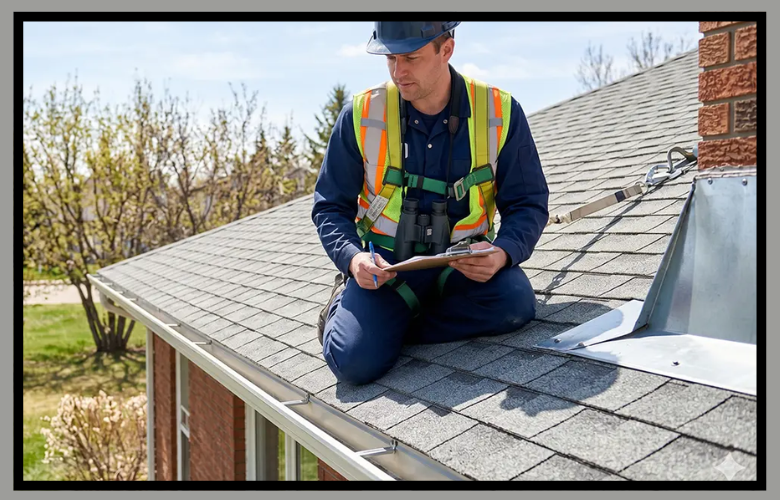
Stand far enough back to view each roof slope. Look for a gap in the tile pattern, an uneven ridge or debris that has moved after wind. Binoculars can help, but photographs taken from the same safe position each season are often more useful because they reveal gradual changes.
Watch drainage during rain
Gutters should carry water towards downpipes without spilling over. Overflow may simply mean leaves have gathered, but a sagging section or leaking joint can keep walls and timber wet. Homes close to mature trees may need more frequent checks in autumn, especially around valleys and low roof sections.
Use indoor clues
New ceiling marks, a musty loft smell or damp insulation deserve investigation. If loft access is safe, observe from a boarded position and never step between joists. Daylight through an unexpected gap is also worth recording. Advice about roofing Arundel can then be based on clear observations rather than guesswork.
Small changes do not automatically mean a major repair. A calm seasonal routine simply helps families protect the roof that protects every room below it.
Plan safe maintenance rather than reacting
Choose a dry, settled period for any professional clearance or inspection and make access arrangements before urgent weather arrives. Keep outside furniture and play equipment away from downpipe outlets and falling-debris zones. A known contact, a few photographs and a short list of observations make it easier to explain a concern without anyone taking unnecessary risks.
Include the loft in the routine
Where access is safe and properly boarded, a brief loft check can reveal clues before they reach a decorated room. Use a torch to look for new staining, damp insulation or daylight through an unexpected gap. Do not move around on uncovered joists or disturb electrical wiring. It can help to inspect after a period of steady rain and compare the area with an earlier photograph. The purpose is observation only, not attempting a repair from inside the roof space.
Watch how trees affect the roof
Mature trees provide shade and character but can increase leaf build-up in valleys and gutters. Small branches may rub against coverings while dense growth can keep a roof damp for longer. This does not mean every nearby branch should be removed. Substantial tree work needs appropriate advice and any legal protections should be checked. The practical goal is to maintain reasonable clearance, keep drainage routes accessible and increase the frequency of observation during periods of heavy leaf fall.
Deal with fallen material carefully
A piece of tile or mortar on the ground is useful evidence, but it should not prompt a hurried ladder inspection. Keep family members away from the area below and take photographs of the object and the roof from a safe distance. If the material came down during wind, wait for settled conditions before arranging an assessment. Do not assume the first visible gap is the full problem because neighbouring fixings may also have been disturbed.
Build maintenance into ordinary household planning
Roof work is easier to manage when it is recorded alongside boiler servicing, gutter clearance and other predictable tasks. A calendar reminder in spring and autumn creates a simple rhythm. Note who will arrange follow-up and retain invoices or photographs with the property records. This makes it less likely that a small concern will be forgotten and gives future inspections a useful history without turning roof care into a constant worry.
Review previous repairs as part of the picture
Old invoices and photographs can show whether the same location has needed repeated attention. A recurring leak may indicate that the visible patch was not the original entry route or that a connected drainage detail remains unresolved. This does not mean every older repair was poor. Materials age and exposure changes. The value of the record is that it allows the next inspection to test a pattern rather than starting from a blank page. Keep notes concise and store them with other property documents so maintenance remains understandable to the whole household.
Keep the checklist tied to evidence
If nothing has changed, record a clean check and move on. Maintenance should not create work for its own sake. When something has changed, note the exact location, weather and visible symptom so follow-up remains focused. This balance keeps the routine useful: it catches genuine movement without turning normal weathering into a problem.