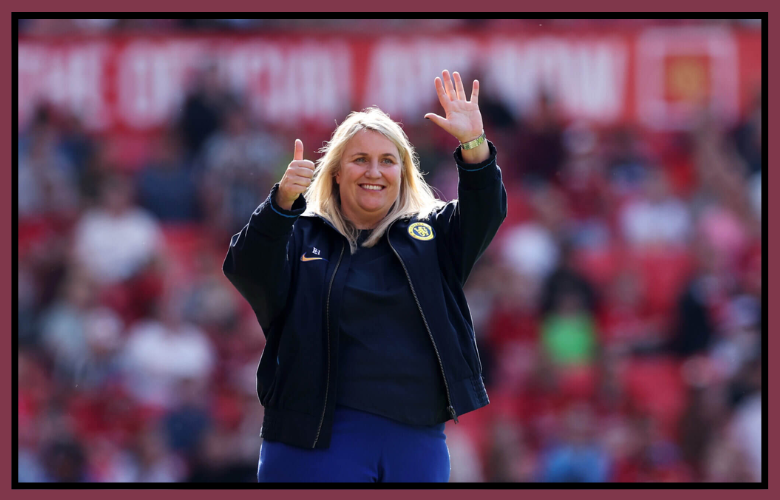
Emma Hayes is one of the most successful football managers in the world with her remarkable feats in women’s football. The evolution of Emma Hays from a devoted young manager to becoming a prominent football manager is an illustration of the effectiveness of hard work and leadership. Emma was able to become popular and get recognition due to her success with Chelsea women’s team, in which she created the right environment for the development of the talents. Apart from success, is distinguished by her football tactics, team management and development skills, as well as her devotion to the improvement of the game.
Early Life, Age, and Journey Into Football Coaching
Born on 18 October 1976 in Camden, London, Emma Hayes developed a passion for football during a period when opportunities for women in the sport were limited. Her early connection with the game helped shape her future, although injuries prevented her from enjoying a long playing career. Instead of leaving football behind, she moved towards coaching and discovered her ability to influence players through knowledge, communication, and leadership.
At 49 years old, her career represents decades of dedication to football development. Her younger years were focused on learning the different aspects of the game, including tactics, psychology, team management, and player improvement. This foundation became extremely valuable when she later took responsibility for professional teams competing at the highest level.
The path from a young coach to an internationally recognised manager required patience and continuous learning. She understood that successful football management is not only about formations and match decisions. It also involves creating trust, building confidence, managing personalities, and helping athletes perform under pressure.
Her early coaching experiences in the United States played an important role in developing her approach. Working with different players and football environments allowed her to explore new ideas and understand how professional teams can be built through effective planning and development.
Coaching Career and Teams Managed Throughout Her Journey
The coaching career of Emma Hayes includes several important stages that helped establish her reputation as an elite football leader. Before becoming famous in England, she gained valuable experience in the United States, where she developed her understanding of player development and modern training methods.
Her biggest career breakthrough came when she became manager of Chelsea Women in 2012. At that time, the club had ambition but needed a clear identity and long-term strategy. She introduced higher professional standards, improved recruitment methods, and created a culture focused on improvement and winning.
Her management style helped Chelsea become one of the strongest women’s football teams in the world. She demonstrated that success comes from building a complete system rather than depending only on individual talent. Players improved technically, tactically, and mentally under her guidance.
Later, she accepted the role of head coach of the United States Women’s National Team, one of the most successful international football programmes. This move showed the level of respect she had earned globally and provided an opportunity to apply her methods on the international stage.
Her major coaching roles include:
- Developing professional teams in the United States during the early stage of her career.
- Leading Chelsea Women through a historic period of domestic success.
- Managing the United States Women’s National Team at international competitions.
- Developing talented players into confident and successful athletes.
Chelsea Success and the Transformation of Women’s Football
The Chelsea chapter remains the defining period of her managerial career. When she arrived at the club, she recognised that long-term success required more than signing talented players. She focused on creating a professional environment where every person involved understood their role and responsibility.
During her time at Chelsea, the club won numerous major trophies and became a dominant force in English women’s football. The team’s success came from detailed preparation, tactical flexibility, and a commitment to improving every season. Her ability to adapt strategies against different opponents helped Chelsea compete successfully across multiple competitions.
One of the most impressive aspects of her Chelsea work was player development. She helped many footballers reach higher levels by improving their confidence, decision-making, and tactical understanding. Rather than simply managing players, she invested in their personal and professional growth.
The impact of her work also extended beyond results. She helped increase attention, respect, and investment in women’s football. Chelsea became an example of how professional standards, strong leadership, and clear vision can transform a sporting organisation.
Coaching Philosophy, Leadership Style, and Real Benefits
A major reason for her success is her unique coaching philosophy. She believes that winning teams require a combination of tactical preparation, strong relationships, mental strength, and individual responsibility. Her approach focuses on developing complete athletes rather than only improving technical ability.
Her leadership style combines high expectations with support. She challenges players to improve but also creates an environment where they feel valued and trusted. This balance helps athletes perform confidently during important matches and difficult situations.
The benefits of this coaching approach can be seen in several areas. Players often become more adaptable because they learn different tactical roles. Teams become stronger because responsibility is shared across the squad. Young athletes gain confidence because development is treated as a long-term process.
Her methods are useful beyond football because they demonstrate important leadership principles:
- Clear communication creates stronger teamwork and reduces confusion.
- Continuous learning helps individuals and organisations improve.
- Trust between leaders and teams encourages better performance.
- Adaptability allows success during changing situations.
This approach explains why many football professionals view her as a modern example of effective sports leadership.
Salary, Personal Life, Family, and Public Interest
Many people search for information about Emma Hayes salary because of her success and high-profile coaching positions. However, exact salary details have not been officially confirmed publicly. As one of the leading figures in women’s football management, she is widely considered to have earned compensation that reflects her experience, achievements, and international responsibilities.
Questions about Emma’ s partner and whether she is married are also common among fans. She has generally kept her private life away from public attention and focuses most media discussions on football, coaching, and professional achievements. There is limited publicly confirmed information about her relationship status.
Her family has played an important role in her personal journey. She has spoken about balancing professional responsibilities with family life and the challenges of managing a demanding career. Like many successful professionals, she has had to combine personal commitments with the pressures of elite sport.
Pros and Cons of Her Management Style and Lasting Impact
Like any successful leader, her management approach has strengths and challenges. Her high standards have helped create winning teams, but demanding environments can also require players and staff to constantly adapt.
Her biggest strengths include tactical intelligence, preparation, communication, and the ability to improve players. She understands how to manage pressure and build teams capable of competing at the highest level.
Some challenges associated with an intense professional approach include the expectation for constant improvement and the pressure created by competing for major trophies every season. However, these demands are also part of what drives elite performance.
The overall impact of her career has been significant. She has helped change how women’s football is viewed and has inspired a new generation of coaches and players. Her work proves that strong leadership and football knowledge can create lasting success.
Frequently Asked Questions
Who is Emma Hayes?
She is an English football manager recognised for her success with Chelsea Women and her contribution to women’s football.
How old is she?
She was born on 18 October 1976, making her 49 years old in 2026.
Which teams has she coached?
Her coaching career includes teams in the United States, Chelsea Women, and the United States Women’s National Team.
What did she achieve at Chelsea Women?
She guided Chelsea Women to multiple trophies and helped establish the club as one of the strongest teams in women’s football.
Is she married?
She keeps her personal life private, and there is limited publicly available information about her relationship status.
Conclusion
The legacy that Emma Hayes has left behind in football is nothing but outstanding. Her skills as a leader, her tactical approach and her commitment to the development of players make her an extraordinary person. Everything that she accomplished with Chelsea Women and in her career as an international coach shows her potential to create successful teams and motivate their players. She is more than a successful coach who won many trophies; Emma has changed people’s attitude towards women’s football. Her career shows that hard work, knowledge and a strong leader may make real changes in sport.