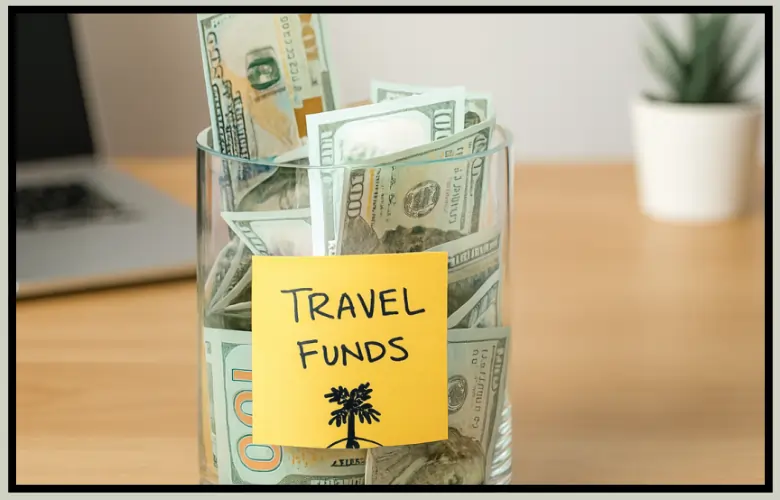
We all deserve a holiday at one point or another. Whether it’s a quiet weekend on a rural coast somewhere, or a bustling city break in a cultural melting-pot, travel is practically built-in to us, necessary for our health and rejuvenation. Unfortunately, travel’s gotten a little too costly for many of us – at least, as other costs rise up to meet already-struggling budgets.
This doesn’t mean travel is inaccessible to you, though. It just means you need to get a bit smart about your money. Here, let’s find out exactly what that means. In reading on, you’ll find out how to effectively save up your money for travel, using proven strategies and resources that genuinely help you put the cash together for your ideal holiday.
Setting Realistic Savings Goals
Creating a travel fund is much the same as setting yourself up with a savings account; the difference is that your savings are going towards a very specific endeavour, and one with a (more or less, at least) fixed cost you can calculate. Figure out the kind of trip you’d like to take, and get some ballpark figures for transport, accommodation and fun money; use this as a benchmark for how much you need to save.
Of course, you’ll need to think about more than those basic costs to cover everything. For instance, if you’re hoping to take a campervan trip along the coast, you’ll need campervan insurance to protect yourself, your vehicle and your primary accommodation while you travel. You’ll also need spare money for tolls, parking, and unexpected breakdowns. It’s safe to say that any initial savings goal you come up with should be increased by 20%, just to be safe.
Making the Most of Everyday Savings
The money you save isn’t coming from nowhere. You’ll have a relatively fixed income from your work, plus any ad hoc money you earn from side-hustles like selling things online. This makes a spreadsheet or budgeting app your best friend; by tracking your income and outgoings, you can earmark exactly how much you’re able to put aside each month.
You could also take this opportunity to figure out where more savings can be made. Simple changes like budget-friendly meal planning (aka cutting out the takeaways), switching your energy provider, or using supermarket loyalty card schemes, can open a world of minor savings.
Earning Extra Cash for Your Fund
We’ve touched upon side hustles already, but they’re nothing short of essential to supercharging your travel fund. Reselling items on eBay or Vinted is a popular way to create some additional cash; just bear in mind that selling too much could make you eligible for self-assessment! There are other passive ways to boost your income too, such as cashback websites or reward schemes.