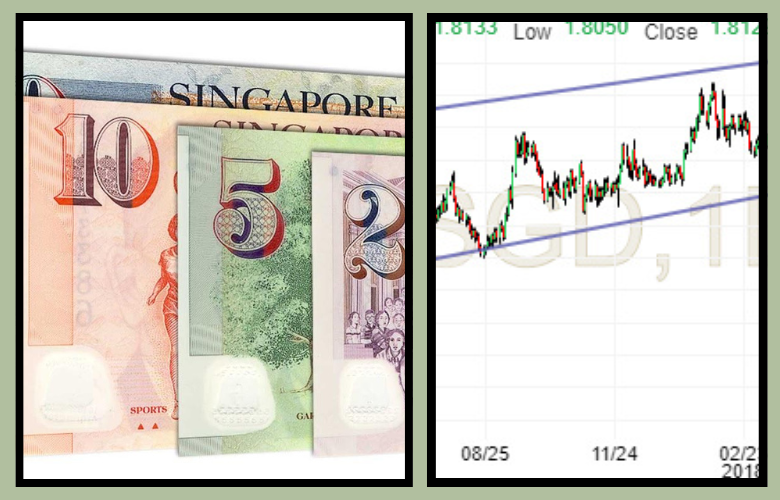
The exchange between the Singapore Dollar and the British Pound plays an important role in global finance, especially for travelers, students, investors, and businesses dealing between Singapore and the United Kingdom. The value of this currency pair changes frequently due to global market conditions, economic performance, and financial policies in both countries. Understanding the Singapore Dollar to GBP rate helps people make better financial decisions when converting money internationally. In 2026, this exchange remains relatively stable but still fluctuates daily, making it important to stay updated for accurate conversions and better financial planning in real-time global markets.
What is Singapore Dollar to GBP?
The exchange rate between the Singapore Dollar and the British Pound refers to the value of Singapore’s currency when compared to the currency of the United Kingdom. It shows how many British Pounds one Singapore Dollar can be exchanged for in the global financial market. This value is determined by supply and demand forces in the foreign exchange market, which operates continuously across different countries and time zones.
The rate is not fixed and changes constantly based on market activity. When demand for the Singapore Dollar increases, its value strengthens against the British Pound. When demand for the Pound increases, the opposite occurs, and the SGD becomes relatively weaker. This constant movement is what makes foreign exchange dynamic and unpredictable.
Several economic factors influence this exchange rate, including inflation levels, interest rates, economic growth, and political stability in both countries. These factors interact in complex ways and determine the real-time value of the currency conversion.
How Currency Exchange Between Singapore and UK Works
Currency exchange between Singapore and the UK takes place in the global forex market, which is the largest financial market in the world. Every day, trillions of dollars are traded as currencies fluctuate based on global economic activity. Banks, financial institutions, governments, and traders all participate in this system, creating constant changes in exchange rates.
Interest rates are one of the most important factors influencing currency value. When interest rates in the United Kingdom increase, the British Pound often becomes stronger because investors are attracted to higher returns. Similarly, Singapore’s strong and stable monetary policy helps maintain confidence in its currency, supporting its value in global markets.
Inflation also plays a major role in determining exchange rates. Countries with lower inflation tend to have stronger currencies because their purchasing power remains more stable. Economic growth, trade performance, and global financial confidence also influence currency strength and contribute to daily fluctuations in exchange value.
Current Market Behavior and Stability Trends
The current behavior of this currency exchange shows a pattern of relative stability with small but continuous fluctuations. Singapore is known for its strong financial management and disciplined economic policies, which help maintain stability in its currency over time. This stability makes the Singapore Dollar one of the more reliable currencies in Asia.
On the other hand, the British Pound tends to experience more fluctuations due to economic announcements, inflation changes, and political developments in the United Kingdom. These factors can create short-term volatility in the exchange rate, even if long-term trends remain stable.
Despite these fluctuations, the overall relationship between the two currencies remains balanced. The Singapore Dollar consistently holds strong value, while the British Pound adjusts more frequently to global economic conditions. This creates a dynamic exchange environment that requires careful monitoring for financial planning.
Factors That Influence Exchange Rate Movement
There are several important factors that determine how the currency exchange between Singapore and the UK moves over time. One of the most significant influences is monetary policy. Central banks in both countries adjust interest rates to control inflation and stabilize their economies. These changes directly affect currency value and investor behavior.
Inflation differences between the two countries also play a crucial role. If inflation rises faster in the United Kingdom than in Singapore, the British Pound may weaken in comparison. Economic growth indicators such as GDP performance, employment levels, and trade activity further impact currency strength.
Global events such as financial crises, geopolitical tensions, and major economic disruptions can also cause sudden changes in exchange rates. During uncertain times, investors often move their money into safer currencies, which can temporarily shift the balance between the Singapore Dollar and the British Pound.
Historical Performance and Long-Term Trends
Over the past several years, the exchange relationship between Singapore and the UK has shown long-term stability with gradual adjustments. Singapore’s strong financial governance and consistent economic policies have helped maintain a stable currency environment.
The British Pound, however, has experienced more volatility due to major political and economic events such as Brexit, changes in government policy, and global financial uncertainty. These events have caused noticeable fluctuations in the exchange rate over time.
Despite short-term changes, the long-term trend shows that both currencies remain strong in their respective regions, with a relatively balanced exchange relationship that reflects global economic conditions.
Real-World Uses of Currency Conversion
Currency conversion between Singapore and the UK is used in many real-life situations. Travelers rely on it to manage expenses such as accommodation, transportation, food, and shopping when visiting another country. Students studying abroad depend on exchange rates to calculate tuition fees and living costs accurately.
Businesses also use currency conversion for international trade, service payments, and cross-border financial agreements. These transactions often involve large sums of money, making exchange rate awareness extremely important.
Even personal remittances between families in different countries require attention to exchange rates to ensure that maximum value is received during conversion. Because of its wide usage, this exchange rate is closely monitored across global financial markets.
Importance of Monitoring Exchange Rates
Keeping track of currency exchange movements is essential for effective financial planning. Even small changes in exchange rates can significantly impact large financial transactions. A slight difference in value can mean receiving more or less money when converting currencies.
For individuals and businesses, timing becomes an important factor in currency exchange decisions. Monitoring market trends helps identify better conversion opportunities and reduces financial losses. Many people use financial tools and market updates to stay informed and make better decisions regarding currency conversion.
Future Outlook of Currency Exchange
The future outlook for this currency relationship suggests continued stability with moderate fluctuations influenced by global economic conditions. Singapore’s strong financial system is expected to maintain currency confidence in global markets.
The British Pound is likely to continue responding to inflation data, interest rate decisions, and economic performance in the UK. While short-term volatility may continue, no extreme instability is expected unless major global disruptions occur.
Overall, the long-term outlook indicates a stable and predictable exchange relationship shaped by global economic cycles and financial policy decisions.
(FAQs)
1. What does the Singapore Dollar to GBP rate mean?
The Singapore Dollar to GBP rate shows how much one Singapore Dollar is worth in British Pounds. It is used to convert money between Singapore and the United Kingdom for travel, business, education, and investment purposes. This rate changes regularly based on global financial market conditions.
2. Why does the exchange rate change so often?
The exchange rate changes due to movements in the global forex market. Factors such as interest rates, inflation, economic performance, and political stability in both countries influence the value of currencies. Even small economic updates can cause the rate to move up or down quickly.
3. Is the Singapore Dollar stronger than the British Pound?
Generally, the British Pound is stronger than the Singapore Dollar, meaning one GBP is usually worth more than one SGD. However, currency strength can change over time depending on economic conditions and market trends in both countries.
4. How can I get the best conversion value?
To get the best value, it is important to monitor exchange trends and convert money when market conditions are favorable. Comparing rates from different banks and exchange services can also help reduce conversion costs and improve value.
5. Does the exchange rate affect international travel costs?
Yes, exchange rate movements directly impact travel budgets. A stronger local currency means you get more value when spending abroad, while a weaker currency increases overall travel expenses for accommodation, food, and transport.
Conclusion
The exchange relationship between the Singapore Dollar and the British Pound is an important part of global finance. It affects travel, trade, education, and investment decisions between Singapore and the United Kingdom. Understanding how this exchange rate works helps individuals and businesses make better financial choices and reduce unnecessary conversion costs. By staying informed about market movements and economic changes, users can manage currency conversions more effectively and take advantage of favorable rates in 2026 and beyond.