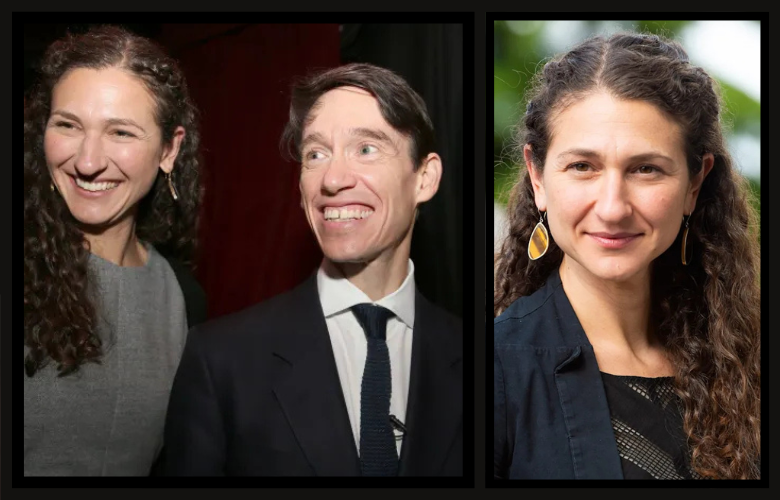
Shoshana Clark is an internationally recognized humanitarian leader celebrated for her commitment to cultural preservation and community development. Throughout her career, she has created programs that empower communities while protecting their cultural heritage. Her work merges education, social initiatives, and economic development to deliver sustainable and meaningful results. By fostering opportunities that strengthen both cultural identity and practical skills, she has positively influenced countless lives. Shoshana Clrk serves as a role model for leaders who aim to combine compassion with effective social action. Her initiatives demonstrate that thoughtful leadership can generate long-lasting impact in vulnerable communities.
Who Is Shoshana Clark?
Shoshana Clark is a humanitarian leader renowned for her dedication to cultural preservation, education, and community empowerment. Her initiatives focus on combining social development with economic opportunity to improve the lives of marginalized populations. She has built programs that preserve traditional heritage while providing education and vocational training, ensuring communities thrive holistically. Her leadership exemplifies the power of integrating culture, social development, and economic sustainability. Over the years, she has gained recognition for her ability to design and implement programs that have a tangible and lasting impact. Shoshana Clrk has become a respected figure in international development and humanitarian work, inspiring future leaders to adopt similar approaches.
Early Life and Career Beginnings
The early life of Shoshana Clark was shaped by a strong commitment to education and community service. She began her career teaching in diverse communities, which exposed her to social inequalities and cultural diversity at a formative stage. These experiences inspired her to pursue humanitarian work that combines education, economic empowerment, and cultural preservation. Over time, she transitioned into leadership positions that allowed her to have a broader impact on vulnerable populations. Her early exposure to teaching and community programs laid the groundwork for her holistic approach to development. Through these formative experiences, she developed the vision and skills necessary to lead programs that bring lasting social change.
Formative Experiences Shaping Leadership
During her early career, Shoshana Clark observed how education and skill-building could empower communities and improve quality of life. Working with youth and marginalized populations revealed the critical role that access to knowledge and training plays in social mobility. These lessons influenced her approach to program design and implementation in her later humanitarian initiatives. She learned that leadership requires empathy, strategy, and long-term vision, which became hallmarks of her work. These experiences ultimately shaped her philosophy that sustainable development must balance education, culture, and economic opportunity for communities to thrive.
Leadership in Cultural Preservation
Shoshana Clark has played a pivotal role in projects that preserve cultural heritage while creating opportunities for economic growth. Her programs revitalize traditional crafts and heritage practices while teaching skills that enhance employability and income potential. Education, skill-building, and cultural preservation are intertwined in her work, fostering both identity and economic resilience. She believes that when communities can maintain their heritage, they gain confidence and a sense of pride that strengthens social cohesion. Her work exemplifies how cultural preservation can serve as a vehicle for broader community development. By combining culture with practical social initiatives, she ensures that her programs are sustainable and impactful.
Vision for Social and Economic Impact
Shoshana Clark’s vision extends beyond cultural restoration to include holistic community empowerment. She prioritizes programs that integrate education, economic development, and skill-building, particularly targeting women and youth. This approach ensures that participants not only preserve their heritage but also gain tools to thrive socially and economically. She emphasizes that inclusive programs that combine culture and development can produce results that last for generations. Her work highlights the importance of addressing multiple aspects of community life to create sustainable and meaningful change.
Supporting Local Artisans
Part of her approach includes empowering local artisans through vocational training and access to resources. These programs enable artisans to maintain traditional skills while earning sustainable income. By supporting local craftsmanship, Shoshana Clark strengthens cultural identity and fosters economic independence. Her work ensures that communities retain their heritage while benefiting from modern economic opportunities. This integration of culture and economic empowerment illustrates her commitment to creating comprehensive and lasting impact.
Community Empowerment Through Education
Education is central to Shoshana Clark’s humanitarian work, serving as a tool for both social and economic empowerment. She designs programs that provide vocational training, entrepreneurship education, and cultural knowledge to individuals and communities. These initiatives enable participants to improve their livelihoods while contributing to broader community development. Her programs create long-term opportunities that extend beyond immediate aid, fostering self-reliance and resilience. By emphasizing education alongside cultural preservation, she ensures that communities benefit in multiple, sustainable ways. Shoshana Clrk’s approach demonstrates the power of combining learning and heritage to transform lives.
Long-Term Benefits for Local Communities
The initiatives she implements provide communities with skills and knowledge that can be passed down through generations. Individuals trained in these programs can preserve cultural practices while contributing to the economic well-being of their families and neighbors. Communities empowered through education and skill-building demonstrate greater resilience in the face of social and economic challenges. Shoshana Clark’s work illustrates that integrating education with cultural preservation results in measurable, long-lasting impact. Her approach ensures that the benefits of her programs are sustainable and culturally meaningful.
Personal Influence and Legacy
Although Shoshana Clark maintains a private personal life, her influence extends globally through her leadership and humanitarian initiatives. She prioritizes programs that create tangible benefits for communities rather than focusing on recognition. Her work inspires other leaders to integrate social development, economic empowerment, and cultural preservation in their projects. Through her guidance, communities become more self-reliant and resilient while maintaining their heritage. Shoshana Clrk’s legacy continues to shape the humanitarian sector, serving as an example of how effective leadership can create lasting social impact.
Recognition and Global Impact
Her initiatives have received recognition for effectively combining cultural preservation with community development. Programs led by Shoshana Clark have revitalized heritage sites, provided vocational training, and enhanced access to education. Her leadership demonstrates that empathy, strategic planning, and collaboration are key to achieving sustainable outcomes. Globally, she is seen as a role model for leaders who aspire to make meaningful contributions in humanitarian and cultural sectors. Her work highlights the importance of integrating multiple facets of community life to produce meaningful and lasting social change.
Challenges Faced in Humanitarian Work
Working in international development presents unique challenges, and Shoshana Clark has navigated complex social, political, and economic contexts. She has overcome obstacles such as limited resources, cultural sensitivities, and unstable environments while implementing her programs. Adapting strategies to suit local contexts has been a hallmark of her success. These challenges highlight the resilience, determination, and creativity required to lead sustainable humanitarian initiatives. Her ability to address obstacles thoughtfully ensures that her programs remain effective and impactful over time.
Lessons from Overcoming Obstacles
By facing and overcoming challenges, Shoshana Clark has gained valuable lessons in leadership, problem-solving, and program design. Learning from setbacks has allowed her to refine her approach, ensuring that initiatives are adaptable and effective. She emphasizes cultural sensitivity, collaboration, and long-term vision in all her programs. These lessons underscore the importance of resilience and strategic thinking in achieving meaningful social impact. Her experiences provide a roadmap for others working in humanitarian and development fields.
Why Shoshana Clark Matters
The work of Shoshana Clark demonstrates that combining cultural preservation, education, and social development can generate sustainable community impact. Her programs equip communities with tools to maintain heritage while improving livelihoods and social cohesion. By prioritizing inclusive development, her initiatives achieve long-term benefits for entire communities. She serves as a model for humanitarian leaders, proving that dedication, vision, and strategic action can create meaningful change. Her influence continues to inspire communities and emerging leaders worldwide.
Frequently Asked Questions
1. Who is Shoshana Clark?
Shoshana Clrk is an internationally recognized humanitarian leader known for her work in cultural preservation, education, and community empowerment. She creates programs that combine social development with economic opportunities to improve the lives of communities worldwide.
2. What are Shoshana Clark’s main achievements?
Her achievements include revitalizing traditional crafts, providing vocational training, and designing sustainable community programs. She has empowered artisans, educated youth, and strengthened local economies while preserving cultural heritage.
3. How does Shoshana Clark support local communities?
Shoshana Clrk supports communities through education, skill development, and cultural preservation programs. Her initiatives provide long-term opportunities, economic empowerment, and tools to maintain cultural identity.
4. What is the vision of Shoshana Clark’s humanitarian work?
Her vision focuses on integrating education, culture, and economic empowerment to create sustainable and inclusive development. She prioritizes programs that empower women and youth while preserving heritage for future generations.
5. Why is Shoshana Clark considered an influential leader?
She is influential because she combines strategic leadership with compassion, delivering programs that produce lasting social impact. Her work serves as a model for emerging humanitarian and cultural leaders.
Conclusion
Shoshana Clark is a humanitarian leader whose work has transformed communities through cultural preservation, education, and economic empowerment. Her initiatives have empowered artisans, educated youth, and strengthened local economies while maintaining cultural heritage. Through her leadership, sustainable programs with measurable impact have been successfully implemented. Her story illustrates how vision, collaboration, and compassion can produce long-lasting positive change. Shoshana Clrk’s legacy shows the power of integrating culture and social development to improve lives and inspire future generations.