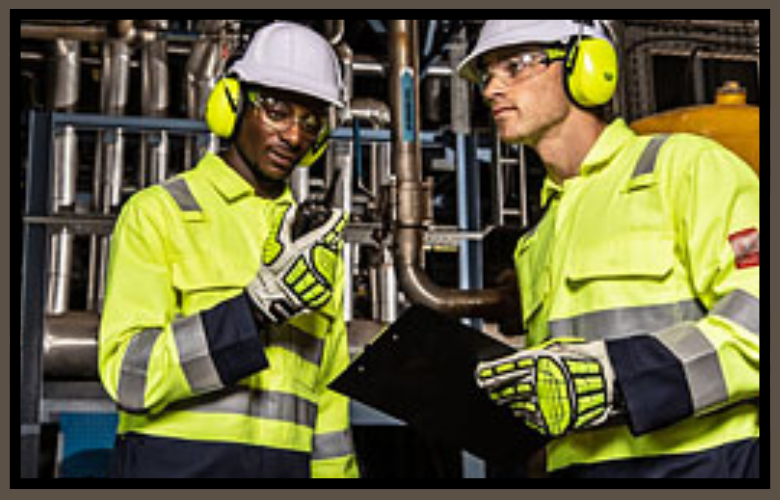
Workwear used to be pretty straightforward. It was usually a stiff high-vis jacket, a scratchy polyester polo shirt, or a rigid suit that you couldn’t wait to strip off the second you walked through your front door. For decades, workplace clothing was purely about function, safety, and strict uniform rules. It gave customers a quick way to spot who was working and kept everyone looking identical. But as the way we work has shifted dramatically over the last few years, our relationship with workwear has completely changed too.
Today, rigid dress codes are rapidly giving way to something far more relaxed and human. Companies are realising that forcing people into uncomfortable outfits just to display a corporate logo doesn’t really do anyone any favours. Instead, the focus has moved toward comfortable, versatile clothing that people actually enjoy wearing during their working day. Starting with simple, premium bases like heavyweight blank hoodies allows businesses to build a shared team identity that feels modern and approachable, blending seamlessly into everyday life rather than feeling like a rigid corporate costume.
Ditching uniforms of the past
Remember when wearing a work uniform meant putting on something boxy and synthetic that lost its shape after two trips through the washing machine? Those days are thankfully behind us. The traditional uniform served a very specific purpose back when workplaces were structured differently, but modern staff expectations have evolved.
People want to feel comfortable and like themselves when they’re at work, whether they’re sitting at a desk, running a community workshop, or meeting clients face-to-face. That doesn’t mean businesses are throwing identity out of the window. It just means they’re finding subtler, more thoughtful ways to bring a team together without stripping away everyone’s individuality or personal style.
What makes modern workwear actually work?
When you move away from old-school corporate uniforms, what replaces them? The best modern team gear usually hits a few key notes that make it a hit with staff and customers alike:
- Everyday comfort: If it feels soft, fits well, and keeps you warm on a chilly morning, it’s going to get worn constantly.
- Discreet branding: A small, neat logo on the chest or cuff always feels more stylish and genuine than a massive billboard printed across the back.
- Versatility: Gear that works just as well during a morning commute or a casual Friday as it does at a weekend team builder.
- Longevity: Sturdy stitching and quality fabrics ensure the clothing holds up to real life without shrinking, fading, or twisting at the seams.
When team clothing ticks these boxes, it stops feeling like a mandate handed down by management and starts feeling like a genuinely great piece of gear that people reach for out of choice.
Building real connection
Company culture isn’t something you can just write on a poster and stick in the breakroom. It’s built through everyday interactions, shared experiences, and how people feel about showing up to work each morning. While putting on a matching top won’t magically fix a toxic workplace, having decent team apparel can offer a subtle, genuine boost to team cohesion.
This is particularly true for remote or hybrid teams who don’t see each other in person every single day. Getting a cosy, well-made piece of kit sent to your house when you start a new job feels welcoming. It gives you a tangible link to your colleagues, even if you’re working miles apart from your home office. When the team does gather for a launch, a trade show, or a charity day, wearing something comfortable and cohesive creates a sense of belonging that feels natural rather than forced.
Comfort isn’t a luxury
The line between work life and home life is blurrier than ever, and our wardrobes have adapted accordingly. Nobody wants to change three times a day just to manage a video call, a quick run to the post office, and an afternoon client catch-up.
That’s why comfort has jumped straight to the top of the priority list when businesses choose clothing for their teams. If an item feels great to wear on the sofa or while walking the dog, it’s going to end up in regular heavy rotation. Businesses are finally acknowledging that practical, comfortable clothing makes for happier, more relaxed employees who feel confident representing the company.
Find what feels right for your team
At the end of the day, there’s no single rulebook for how a business should dress its team. A creative studio in central London is going to have completely different needs from a local plumbing crew or an independent coffee shop in the high street.
The key is alignment. The best workwear choices are the ones that reflect who you actually are as an organisation and respect the people doing the work day in and day out. When you choose quality, comfort, and simple style over rigid uniform rules, you end up with team gear that people wear with genuine pride.