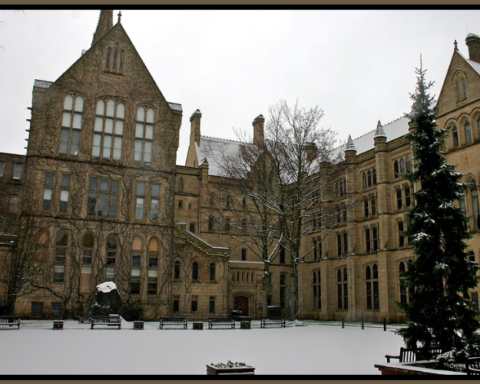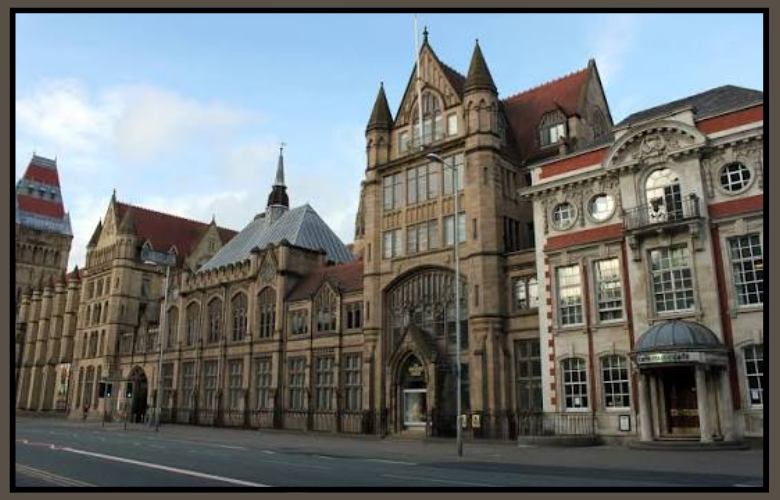
One of the cultural gems that can be found in the city of Manchester is Manchester. This museum is famous for its interesting historical, scientific, archaeological, and natural history collections. Manchester Museum is located on Oxford Road at The University of Manchester. Some of the notable collection items include dinosaur fossils, artefacts of ancient Egypt, various wild animals and even the heritage of South Asia. Entry to the museum is free of charge, so it is an ideal destination for families, tourists, students and everyone who wants to spend an affordable day out. There is always something interesting to see in the museum’s galleries and exhibitions. In this guide, we will tell you about the working hours of the museum, tickets, dinosaurs, parking, transportation, popular galleries and much more.
Opening Times, Tickets and Free Entry
Checking the latest opening schedule should be one of the first steps when planning a visit. Typical opening hours are Tuesday to Friday from 10am to 5pm, with Wednesday offering extended opening until 9pm. Saturday generally opens from 8am to 5pm, while Sunday is normally open from 10am to 5pm. Monday is usually the regular closure day, although opening arrangements can change around public holidays, special events and other operational requirements.
Visitors searching for manchester museum opening times should check the latest information before travelling, particularly if they are visiting from outside Manchester. Saturday morning can be a useful option for people who prefer a quieter experience, while the Wednesday evening opening can suit visitors who work or study during the day. Last admission is normally around 30 minutes before closing, so arriving too close to the end of the day may leave insufficient time to explore the galleries properly.
General admission is normally free, which is one of the strongest reasons to include the attraction in a Manchester itinerary. Most visitors do not need to purchase a standard entrance ticket, although selected temporary exhibitions, events and special activities may have different booking arrangements. People looking for Manchester tickets should therefore check whether their planned exhibition or event requires advance booking. Free entry also makes it possible to visit for a shorter period without feeling that you need to stay all day to justify the cost.
Dinosaurs, Fossils and the Best Things to See
The dinosaur collection is one of the most popular reasons families and prehistoric-life enthusiasts visit. One of the major highlights is Stan, a Tyrannosaurus rex skeleton that gives visitors an impressive idea of the size and structure of one of the world’s best-known dinosaurs. The display is particularly effective for children because the physical scale of the skeleton makes prehistoric life easier to imagine than it would be from pictures alone. Visitors can also learn about fossils, palaeontology and the scientific process used to understand animals that disappeared millions of years ago.
Another important fossil is April the Tenontosaurus, a plant-eating dinosaur that lived around 110 million years ago. The specimen is notable for its preservation and the information it provides about prehistoric animals. Evidence connected with the fossil has helped researchers investigate aspects of the animal’s life, including what it may have eaten and how it lived. For anyone specifically searching for a manchester dinosaur attraction, these displays are among the strongest reasons to make the journey, especially when visiting with children or anyone fascinated by prehistoric creatures.
The dinosaur displays are only one part of the collection. Ancient Egypt is another major highlight, with objects connected to burial customs, religion, everyday life and ancient communities. The famous Two Brothers collection provides an opportunity to explore the lives and burial traditions of individuals from ancient Egypt, while other artefacts demonstrate the skills, beliefs and technologies of people living thousands of years ago. The museum also has archaeology, natural history and cultural galleries, meaning visitors can move from prehistoric animals to human history, biodiversity and global cultures during the same visit.
Parking, Transport and Practical Visitor Information
Parking requires a little planning because the attraction is located on Oxford Road within a busy university district. Visitors travelling by car can consider nearby university and city parking facilities, including University of Manchester Car Park D on Booth Street West. The car park is relatively close to the museum, but availability, charges and access arrangements can change. Anyone searching for manchester museum parking should check the current parking information and walking route before starting the journey rather than relying only on an old map or sat-nav recommendation.
Oxford Road itself is another important consideration for drivers because parts of the road have traffic restrictions at certain times. Public transport is therefore often an easier choice, particularly for visitors travelling from central Manchester. Oxford Road railway station is within walking distance, while Manchester Piccadilly also provides a useful connection for people arriving by train. Local buses serving the university area make the attraction accessible from different parts of Greater Manchester, and visitors staying in the city centre may find walking practical when the weather is suitable.
Accessibility and general visitor comfort should also be considered before arrival. The building provides step-free access in many areas, with facilities designed to make the collections accessible to a broad range of visitors. Families should allow enough time for children to explore without rushing, while visitors with specific accessibility needs may want to check current arrangements before travelling. It is also worth remembering that a large museum can be tiring, so planning a break and combining the visit with nearby cafés, restaurants or other Oxford Road attractions can make the day more enjoyable.
Photos, Reviews and What Visitors Can Expect
People searching for manchester photos are often interested in seeing the galleries and major objects before deciding whether to visit. Photographs can provide a useful preview, particularly for families who want to know what children can expect, but they cannot fully communicate the scale of large fossils, animal specimens or archaeological objects. Some displays are much more impressive when seen in person because visitors can appreciate their size, detail and physical condition from different angles.
Visitor experiences are generally shaped by the museum’s variety. One group may spend most of its time around dinosaurs and animals, while another may be more interested in ancient Egypt, archaeology or cultural collections. Searches for manchester museum reviews often highlight the free general admission and wide range of subjects as major advantages. The attraction can therefore appeal to people with very different interests, making it easier for families and groups to find something that everyone can enjoy.
The experience is not designed like a theme park, so visitors should expect a traditional collection-led museum environment with information panels, historical objects and scientific displays. Some galleries are particularly visual, while others reward visitors who take time to read and understand the stories behind individual objects. Weekends and school holidays can be busier, so arriving earlier can provide a calmer experience. Visitors who approach the attraction as a place for discovery rather than trying to see everything quickly are likely to get the most from it.
- Also Read. Katy Perry Orlando Bloom Split and Daughter
Frequently Asked Questions
Is Manchester Museum free to enter?
Yes, general admission is normally free, making it a budget-friendly attraction for families, students and tourists. Some temporary exhibitions, special events or activities may have separate booking requirements, so visitors should check the latest information before travelling.
What are the opening times?
The museum is generally open Tuesday to Friday from 10am to 5pm, with extended opening on Wednesday. Saturday usually opens from 8am to 5pm, while Sunday is typically 10am to 5pm. Monday is normally the regular closure day.
Do you need tickets for a normal visit?
General admission does not usually require a paid ticket. However, certain temporary exhibitions, events or special activities may require advance booking or timed entry, so checking the current visitor information is recommended.
What dinosaurs can you see?
Visitors can see impressive dinosaur fossils, including Stan, a Tyrannosaurus rex, and April, a Tenontosaurus. These displays are particularly popular with children and anyone interested in prehistoric animals, fossils and palaeontology.
Is there parking nearby?
Yes, visitors can find several parking options around the University of Manchester and Oxford Road area. University car parks and nearby city facilities can be considered, but charges, availability and access arrangements may change.
Conclusion
Manchester Museum is a place that should be visited by everyone who is interested in history, science, culture, and natural history. There is much to see, starting from dinosaur fossils, ending with foreign collections. In addition, free admission makes it possible for all families, students and tourists to spend time there without worrying about money. It would be better to find out what time the museum works and how to get there by car or public transport in advance. Also, it would be good to think in advance about which exhibits are the most interesting for you to see during the visit.