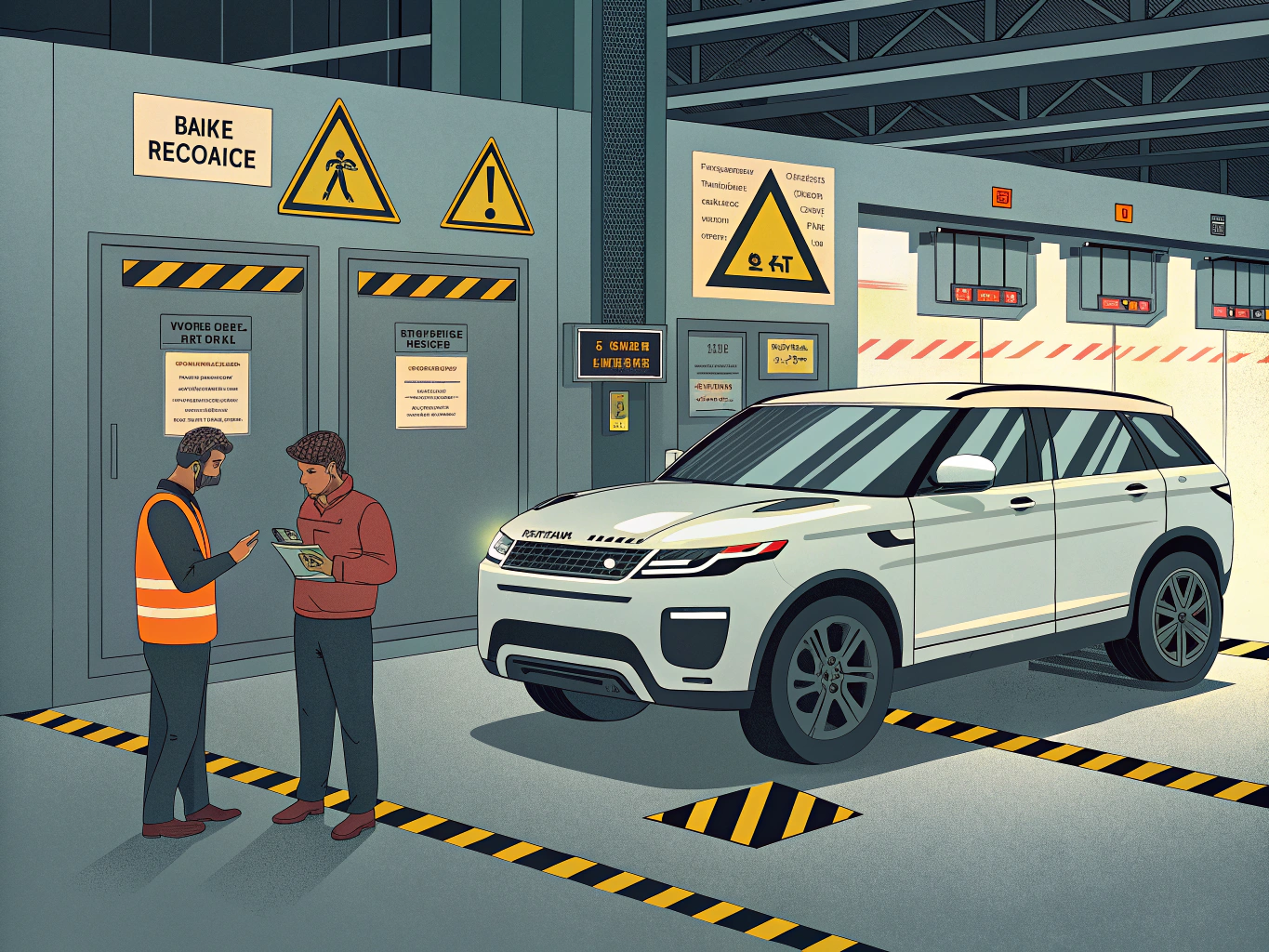
The Jaguar Land Rover cyberattack in 2025 marked a critical moment for the automotive industry, revealing the vulnerabilities of modern, digitally connected manufacturing. This sophisticated breach forced the company to halt production across major UK plants, disrupt its supply chain, and implement emergency cybersecurity measures. The incident demonstrates that cyber threats are no longer limited to data theft but can directly affect operational systems, causing widespread financial and operational damage. Jaguar Land Rover’s response highlights the importance of cyber resilience, phased recovery strategies, and proactive risk management to protect industrial operations in an increasingly connected world.
What is Jaguar Land Rover Cyberattack?
The Jaguar Land Rover cyberattack was a sophisticated breach targeting both IT and operational technology systems in late 2025. Hackers gained unauthorized access to internal networks, including production control systems, supply chain management platforms, and administrative operations. Unlike conventional data breaches, this attack directly disrupted vehicle manufacturing, forcing plants to shut down for weeks. It exemplifies how cybercrime is evolving from stealing data to actively halting physical operations. The incident exposed weaknesses in network security and demonstrated the urgent need for stronger industrial cybersecurity protocols.
How the Cyberattack Unfolded
In August 2025, Jaguar Land Rover detected unusual activity in its networks. By 31 August, the company had shut down all critical IT systems to prevent further damage. Major plants, including Solihull, Halewood, and Wolverhampton, ceased operations immediately. The breach was carried out by the hacker collective Scattered Lapsus$ Hunters, who focused on operational systems, not just data servers. This demonstrated their knowledge of industrial processes and their intent to create maximum operational disruption. The company engaged cybersecurity experts and authorities to contain the incident and begin forensic investigations.
Operational and Production Impact
Production Halt
The cyberattack led to the suspension of vehicle production for several weeks. Thousands of vehicles were left unbuilt, and daily production losses reached multi-million-pound figures. Factories remained idle as essential IT systems for automation, quality control, and scheduling were offline. The disruption highlighted the heavy dependence of modern manufacturing on digital systems. Resuming production required careful planning to prevent further technical failures and ensure operational safety.
Supply Chain Disruption
Jaguar Land Rover’s suppliers, particularly those operating on just-in-time models, faced serious financial strain. Delayed deliveries and halted invoicing created cascading problems throughout the supply network. Restoring IT systems became a top priority to stabilize operations and support supplier payments. The incident demonstrated how cyberattacks can extend beyond the primary target and disrupt an entire industrial ecosystem. The attack emphasized the interconnected nature of automotive manufacturing and the vulnerabilities that digital threats pose to the global supply chain.
Financial and Economic Fallout
The financial consequences of the Jaguar Land Rover cyberattack were severe. Daily production halts caused multi-million-pound losses, and the company reported significant pre-tax losses for the quarter. Suppliers and dealerships faced economic pressure due to delayed payments and production interruptions. The broader impact highlighted the vulnerability of interconnected industrial networks to cyber threats. The incident became a key case study for the automotive sector, demonstrating the financial stakes involved when critical manufacturing systems are compromised.
Who Was Behind the Cyberattack?
The attack was orchestrated by Scattered Lapsus$ Hunters, a hacker collective known for sophisticated cybercrime targeting high-profile organizations. Their focus on operational systems rather than solely administrative data reflects a shift in industrial cyber threats toward physical disruption. Jaguar Land Rover worked closely with cybersecurity experts and national authorities to investigate the breach, prevent further intrusion, and safeguard operational technology. The incident underscores the increasing complexity and risk of cyberattacks in modern industrial environments.
Recovery and Rebuilding Operations
Phased Restart of Production
By early October 2025, Jaguar Land Rover began a carefully managed, phased restart of its production lines. Factories resumed operations gradually as IT systems were securely restored. The approach focused on stabilizing supply chains, ensuring supplier payments, and resuming vehicle deliveries without further disruption. The phased restart minimized operational risks and allowed the company to regain control over manufacturing processes while addressing cybersecurity vulnerabilities.
Strengthening Cybersecurity Measures
As part of its recovery, Jaguar Land Rover invested heavily in cybersecurity. Measures included enhanced network monitoring, segmentation of critical systems, stricter access protocols, and advanced threat detection. Long-term strategies also focused on supplier network security and contingency planning for potential cyber incidents. The cyberattack highlighted that industrial operations are inseparable from digital security and that investment in resilience is essential for sustainable manufacturing.
Lessons from the Jaguar Land Rover Cyberattack
The incident revealed the extreme dependence of modern factories on digital systems. Cyberattacks can immediately halt production, create financial losses, and destabilize supply chains. The event underscored the importance of proactive cybersecurity measures, real-time monitoring, and contingency planning. Smaller suppliers, being more vulnerable, are especially at risk during such disruptions. This cyberattack demonstrates that industrial cybersecurity is now a core component of risk management for major manufacturers. Government involvement may also be necessary to ensure industrial continuity during large-scale cyber events.
Key Statistics
The Jaguar Land Rover cyberattack resulted in significant operational and financial setbacks. Daily vehicle production losses reached thousands of units, while financial losses ran into millions per day. Pre-tax losses for the affected quarter were substantial, reflecting the severe disruption to both production and the supply chain. Recovery required careful planning and allocation of resources to restore IT systems and production capacity. These metrics illustrate the critical impact of cyberattacks on modern manufacturing and highlight the importance of industrial cybersecurity.
(FQRS)
Q1: What caused the Jaguar Land Rover cyberattack?
The cyberattack was caused by a sophisticated hacker collective, Scattered Lapsus$ Hunters, targeting operational and IT systems to disrupt production.
Q2: How long was Jaguar Land Rover’s production affected?
Production at key UK plants was halted for several weeks while IT systems were restored and security measures strengthened.
Q3: What was the financial impact of the cyberattack?
Daily production losses were worth millions of pounds, and the company reported significant pre-tax losses for the affected quarter.
Q4: Were suppliers affected by the attack?
Yes, suppliers faced delayed payments and delivery disruptions, highlighting the vulnerability of interconnected supply chains.
Q5: How did Jaguar Land Rover recover from the cyberattack?
The company implemented a phased restart of production, restored IT systems securely, and invested in enhanced cybersecurity measures.
Q6: Who was behind the cyberattack?
The attack was carried out by Scattered Lapsus$ Hunters, a hacker group targeting both operational and administrative systems.
Q7: What lessons were learned from the cyberattack?
The incident emphasized the importance of industrial cybersecurity, supply chain resilience, proactive monitoring, and risk management for modern manufacturing.
Conclusion
The Jaguar Land Rover cyberattack of 2025 demonstrates the growing intersection between digital threats and industrial operations. From halted production to supply chain disruption and financial losses, the incident illustrates the critical need for robust cybersecurity in modern manufacturing. Jaguar Land Rover’s phased recovery highlights the importance of careful planning, secure IT restoration, and ongoing investments in cyber resilience. The lessons learned from this incident will guide not only the automotive sector but all industries reliant on digital and operational technology in preparing for future cyber threats.