
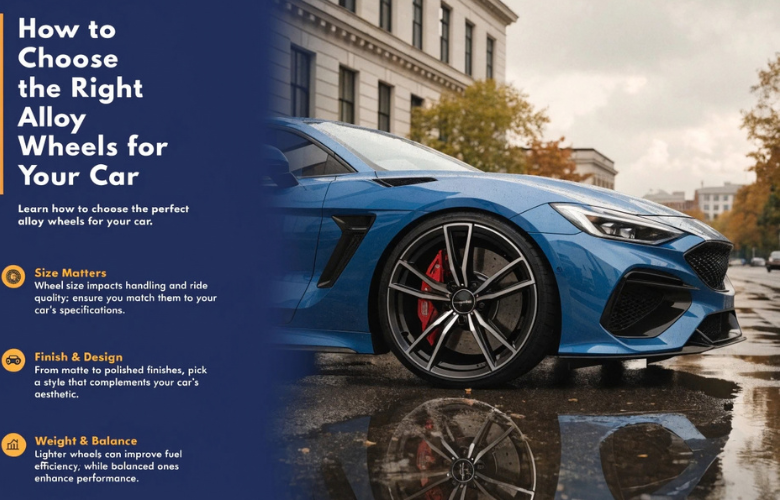
Upgrading a vehicle is sometimes a practical purchase and other times a reflection of someone’s personality. Installing new alloy wheels is one of the most popular things that drivers do to their cars, and this can really change the look and feel of your vehicle, even if only slightly .Although the style stakes can be high, changes in handling, comfort, and everyday usability are equally significant. If you are choosing with care, your upgrade to the car should be something that works in harmony with your driving needs as opposed to being purely cosmetic.
Traditionally, alloy wheel rims being lighter than their steel counterparts is the main reason why these have been associated with better steering and braking reactions. Additionally, because of the reduced weight, the driver can better synchronise their movements with the vehicle, especially when the British roads present a mixture of surfaces from the smooth and well-maintained motorways to the rough and uneven residential streets. Nevertheless, not all alloy wheels can offer the same amount of resilience or have the same compatibility.
Quality and suitability should always come before aesthetics. Drivers often seek wheels that are capable of handling daily commutes, longer motorway journeys, and changing weather conditions. Make every journey smoother and more confident with Elite Direct durable alloy wheels, built to handle daily driving and performance demands. While such statements emphasis resilience, the real priority lies in selecting wheels that are correctly matched to your car and your typical driving environment.
Getting the Right Size
Size is one of the major considerations. Every vehicle is designed for specific wheel sizes regarding diameter and width. This means choosing wheels whose size falls within the recommended range to ensure proper handling and braking.
Larger wheels can provide a sharper and more contemporary look and offer a marginal improvement in cornering stability. However, as wheel size increases, the tyre profile becomes lower, resulting in a firmer ride on bumpy roads. However, sticking with the original size tends to preserve ride comfort. Checking your vehicle handbook or doing proper research with a reputable specialist should help avoid expensive mistakes.
Think About Your Driving Environment
Your daily routes should guide your choice. Potholes and speed bumps exist as a common feature in all UK towns and cities. In these conditions, strong, impact-resistant wheels are essential. Rural roads, with narrower lanes and occasional uneven surfaces, also demand strength and stability.
For motorway drivers, comfort and smooth performance may be higher priorities. Well-chosen alloy wheels provide drivers with balanced control at different speeds, which helps reduce vibration and a quieter driving experience. The most common driving locations should be used to select a vehicle that balances style with practical needs.
Weather Resistance Matters
The weather in the UK can be very unpredictable. Rain, frost and road salt in the winter can cause a lot of wear and tear on the exterior of your vehicle. When choosing alloy wheels, it’s important to see how they will hold up to exposure to moisture and debris.
The finish of a wheel plays a major part in preventing corrosion and maintaining its appearance. If you regularly clean your wheels (particularly during the colder months), you’ll reduce the effects of brake dust and salt build-up. Choosing wheels that are proven to withstand changing weather conditions will make a real difference to how long they last.
Insurance and Legal Points
Tell your insurer about any changes to your vehicle, including new alloy wheels. Even small modifications can affect your policy, and some insurers may change your premium based on the wheels you fit.
Make sure the wheels sit correctly inside the wheel arches. Wheels that stick out past the bodywork may break UK rules and cause problems. Have experienced professionals fit them to cut the risk of alignment or safety issues.
Balancing Style and Function
Design is a key factor for many drivers. Alloy wheels come in various designs, from classic five-spoke to more complex patterns. Simpler designs are often easier to clean, especially in wet or muddy conditions. More detailed styles can create a unique look but may need more cleaning effort.
Colour choice also affects overall appearance. Silver is a classic option that works with most vehicles. Darker shades like graphite or black can give a sportier feel. The main goal is to choose a finish that enhances your car while remaining practical.
Wheels and Maintenance
Cleaning wheels should be done with care to prolong their lifespan and keep them in working order. Non-abrasive and gentle cleaning products will keep the finish looking nice and damage will be less likely to be created when harsh chemicals are avoided. Minor issues can be resolved before they worsen by periodically inspecting visible wear and markings.
Additionally, keeping tyres properly inflated will contribute to the longevity of the wheels. If the tyres are not inflated to the correct pressure, it will cause uneven pressure to be placed on the wheels, which may be unsafe and affect ride comfort.
Making a Considered Decision
Ultimately, selecting the right alloys is not merely for looks. Size compatibility, driving conditions, weather resistance and constant upkeep all play a role. To make your vehicle look good and ensure safety and comfort, motorists must give priority to fit and durability.
A thoughtful approach ensures that alloy wheels become a practical improvement rather than a cosmetic change when picked carefully, they can help smooth rides throughout Britain in its varied landscapes, helping drivers travel with confidence and consistency.