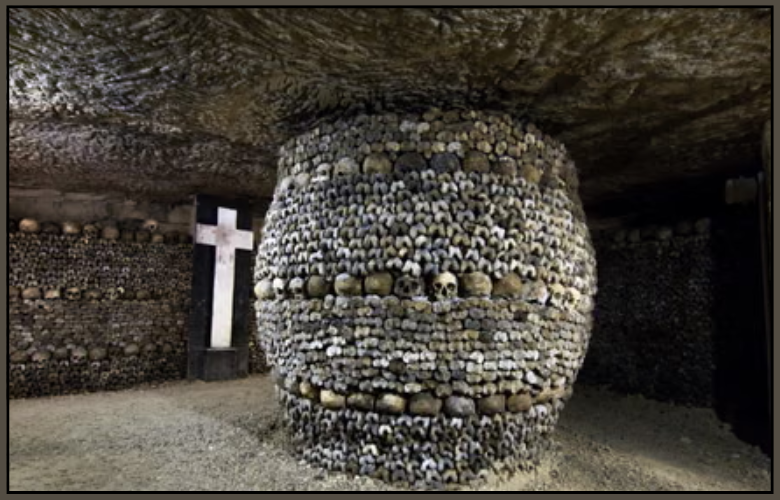
When one hears the word travel, he or she thinks of wonderful monuments, peaceful vacations, or thrilling expeditions. However, there are some trips where the destination lies on the dark side of history. This type of tourism is referred to as dark tourism, which means that tourists visit places associated with death, tragedy, war, catastrophes, crime, or any other significant event. Such destinations may include monuments, battlefields, former jails, museums, and places where anything interesting happened. The interest in this kind of tourism has increased due to films, TV shows, and other media such as Netflix. There are lots of places to travel to and visit in order to explore difficult heritage in London or even all over the UK.
What Does Dark Tourism Mean and Why Do People Visit These Sites?
The term describes intentional travel to places associated with death, suffering, conflict, disaster or historically significant tragedy. It covers a wide range of destinations, from formal museums and memorials to battlefields, former prisons and preserved disaster locations. Some attractions focus almost entirely on education, while others preserve the actual environment where an important event occurred. Because of this variety, not every destination has the same emotional atmosphere or historical purpose.
The question of why do people visit dark tourism sites has several answers. History is one of the most common motivations because visitors want to understand events beyond what they have read in books. Others are interested in family history, military events, crime, psychology, politics or social change. Physical locations can make historical events easier to comprehend because visitors can see the buildings, landscapes and objects associated with them. Personal photographs, letters, names and testimonies can also transform large statistics into individual human stories.
Curiosity is another reason, but it does not automatically mean that visitors are attracted to suffering. Humans naturally want to understand unusual events and places, particularly when they have influenced modern society. A responsible traveller is usually interested in questions such as what happened, why it happened, who was affected and what changed afterwards. This distinction is important because visiting a historical tragedy for education and remembrance is very different from treating suffering as entertainment.
Dark Tourism Sites and Places Around the World
There are many different types of destinations connected with difficult history. Battlefields allow visitors to understand geography, military decisions and the consequences of conflict. Former prisons reveal how societies approached punishment, while memorials preserve the names and stories of people affected by major events. Museums can bring together photographs, documents, personal possessions and historical objects to explain what happened and how communities responded.
Some of the world’s best-known places include former concentration camps, Hiroshima’s peace and remembrance sites, the D-Day beaches in Normandy and locations associated with the Chernobyl nuclear disaster. These destinations are very different from one another, which demonstrates how broad the subject has become. Some focus primarily on remembrance, others on historical education, and others on preserving a physical landscape.
The most valuable places usually provide context rather than relying on shock. Visitors should be able to understand the causes and consequences of an event, hear individual stories and recognise how historians interpret the evidence. A tragic location becomes more meaningful when travellers understand the people connected with it and the wider circumstances surrounding the event. This approach also helps prevent complex history from being reduced to a sensational story designed only to attract attention.
Dark Tourism London and Dark Tourism UK
London offers a particularly rich selection of places connected with difficult and dramatic history. The capital has experienced centuries of political conflict, imprisonment, war, crime and social change. Historic attractions such as the Tower of London and the Clink Prison Museum reveal aspects of punishment and imprisonment, while wartime locations provide insight into how London and Britain responded to conflict. Other museums and historic sites explore crime, death, disease and the everyday experiences of previous generations.
The wider dark tourism UK landscape is equally varied. England, Scotland, Wales and Northern Ireland contain battlefields, war museums, former prisons, memorials, wartime sites and locations associated with major disasters. Some places are highly developed tourist attractions, while others are quieter historical landscapes. This means travellers can choose an experience based on their interests, whether they are fascinated by military history, social history, crime, architecture or remembrance.
London is especially convenient because these experiences can be combined with conventional sightseeing. A visitor might explore a wartime museum and later visit a gallery, historic neighbourhood or park. This creates a more balanced itinerary and gives travellers time to process difficult subjects. It also shows that the darker side of a city is often part of its wider cultural identity rather than a completely separate category of tourism.
Dark Tourism BBC, Netflix and Documentary Influence
Television and streaming platforms have helped make unusual historical destinations more familiar to international audiences. Searches for dark tourism BBC often reflect interest in factual programmes that explore war, crime, disasters, unusual locations and difficult historical subjects. BBC documentaries and historical programmes have introduced viewers to many stories that encourage further research and travel. Television can provide useful context, although viewers should remember that programmes are produced for an audience and may emphasise particular aspects of a story.
The phrase dark tourism Netflix is strongly associated with the documentary series Dark Tourist. The programme explores unusual destinations connected with death, disaster, conflict and difficult history. Academic researchers have examined the series because it demonstrates how guides, presenters and storytellers can influence the way audiences understand places associated with tragedy. The way a destination is presented can therefore be almost as important as the location itself.
A dark tourism documentary can be a useful starting point for planning a historical trip. Archive footage, interviews and expert explanations can introduce the basic background before a traveller arrives. However, documentaries should not necessarily be treated as the complete historical record. Viewers can gain a better understanding by comparing documentary narratives with museum information, historical research and different perspectives. This is particularly important for controversial subjects where a simple television narrative may not explain every political, cultural or social factor.
Benefits, Pros, Cons and Ethical Considerations
One of the biggest advantages is education. Visiting a historical site can make an event easier to understand because travellers can see the physical surroundings and examine evidence connected with the past. This is especially useful for students and history enthusiasts, but ordinary travellers can also benefit. Personal stories often create empathy because they show how major events affected individuals and families rather than presenting only statistics.
There can also be cultural and economic benefits. Visitor spending can support museums, guides, preservation projects, accommodation and other local businesses. More importantly, responsible visitor interest can help keep difficult historical subjects visible. Museums and memorials require funding and professional conservation, so sustainable tourism can contribute to their continued existence. However, commercial benefits should never take priority over the dignity of victims or the needs of local communities.
The main concerns involve sensationalism and inappropriate behaviour. A tragedy can be reduced to a dramatic photograph, while a former prison can be marketed only as a frightening attraction. Social media can make this problem worse when visitors focus on attention-grabbing images rather than historical meaning. Responsible visitors should follow site rules, respect photography restrictions, avoid jokes or staged poses and remember that many locations are connected with real people who suffered or died.
Important benefits include:
- Greater understanding of difficult historical events.
- More awareness of victims and survivors.
- Opportunities for meaningful historical learning.
- Support for museums and heritage preservation.
- Discovery of lesser-known aspects of destinations.
- Development of empathy and critical thinking.
- A stronger connection between history and physical places.
How to Plan a Respectful Visit and Who Should Go?
Preparation can significantly improve the experience. Before visiting, learn the basic history of the location, including the main event, its causes and its consequences. You do not need specialist knowledge, but understanding the background will help you recognise important details. Visitors should also check opening arrangements, accessibility information, photography rules and age recommendations. Some museums and memorials contain graphic material or emotionally difficult testimony, so knowing what to expect is important.
During the visit, focus on evidence and personal stories rather than simply looking for the most dramatic feature. Read exhibition information, listen to guides and take time to understand photographs, maps and documents. If a specialist tour is available, it can provide additional context and explain details that might otherwise be overlooked. Visitors should also allow enough time to reflect rather than rushing through a serious site simply to reach the next attraction.
This type of travel can suit history enthusiasts, students, researchers, families with older children and people interested in military history, crime, politics or social change. It is less suitable for travellers who expect every attraction to be entertaining or frightening. Families should check the subject matter before visiting, while photographers should pay particular attention to restrictions. The right visitor is not necessarily an expert; it is someone willing to approach difficult history with curiosity and respect.
Is Dark Tourism Worth It?
For travellers who enjoy history, culture and meaningful experiences, the answer is generally yes. The strongest destinations offer something that conventional sightseeing cannot always provide: a direct connection with difficult events and the people who experienced them. Walking across a battlefield can reveal the importance of geography, while entering a preserved prison can show how punishment operated in another period. Museums can combine objects and personal testimony to explain how large events affected ordinary lives.
However, not every attraction is equally worthwhile. Visitors should be cautious about destinations that depend mainly on shock, horror or sensational storytelling. A site does not become historically valuable simply because it is disturbing. The quality of the interpretation, preservation and evidence is much more important. A professionally managed memorial or museum will usually offer more lasting value than an attraction built mainly around dramatic photographs or exaggerated stories.
The experience is most worthwhile when visitors arrive with an open mind and realistic expectations. Some destinations may be quiet, emotional or uncomfortable rather than exciting. That is part of their purpose. The value comes from leaving with a better understanding of history and a greater appreciation of the people affected. When approached in this way, these journeys can become some of the most memorable and educational experiences available to travellers.
- Also Read. Sam Claflin Movies and Career Highlights
Frequently Asked Questions
1. What is dark tourism?
It is to travel to places associated with death, tragedy, war, disasters, crime or difficult historical events. These destinations include memorials, museums, battlefields, former prisons and other historically significant locations.
2. Why do people visit these historical sites?
People visit to learn about history, remember victims, understand major events and explore places connected with the past. Education, curiosity, personal connections and historical interest are common motivations.
3. What are some historical places to visit in London?
London has several attractions connected with difficult history, including the Tower of London, Clink Prison Museum and Churchill War Rooms. Historic cemeteries and wartime locations also offer insights into the city’s past.
4. What are some popular historical sites in the UK?
Popular destinations include battlefields, war museums, former prisons, memorials and locations associated with major disasters. England, Scotland, Wales and Northern Ireland all offer opportunities to explore significant historical events.
5. Is Dark Tourist available on Netflix?
Dark Tourist is a documentary travel series that explores unusual destinations associated with death, disasters, conflict and difficult history. It has introduced international audiences to places beyond conventional tourist attractions.
Conclusion
Dark tourism provides a new avenue for studying history through the exploration of places linked to war, disaster, murder and tragedy. These tours, from those based in London to others scattered throughout the United Kingdom, can teach some very important things about history and its effect on the people that lived through it. Documentaries and other streaming programs are also contributing to growing interests, but it is important that those who tour these places seek not just entertainment but historical insight. It is crucial that one be respectful and sensitive while touring these memorials, museums and other heritage sites that deal with difficult subjects.