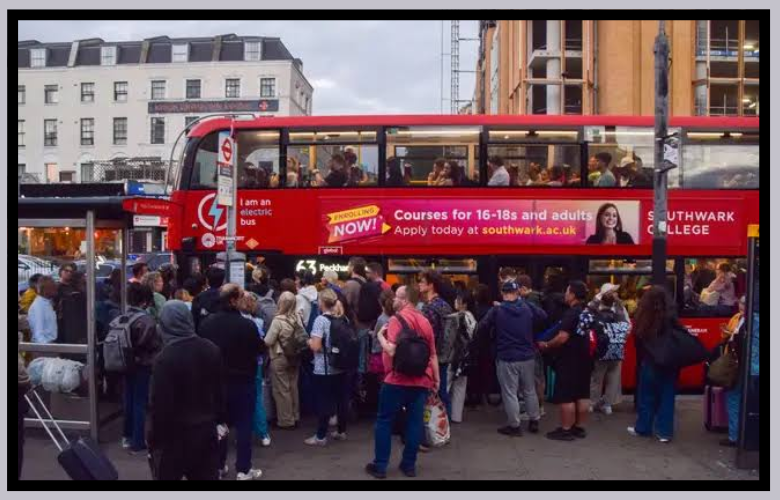
The London tube strikes could cause confusion among the people commuting through the underground, tourists as well as businesses because the London Underground carries thousands of commuters every day. In case of strike, there will be limited service, overcrowding, longer time to reach destinations and modification in travel plan. It is also important to remember that not all railway strikes are strikes on Tube. It is therefore important to know the differences between disruption in National Rail and Underground railways because the situation is constantly changing as the unions and the transport authority negotiate. If you want to know about the most up-to-date London tube strikes news, it is important to find out the most updated sources of information.
London Tube Strikes This Week and the Latest Update
As of 11 September 2026, there are no confirmed London Underground strikes taking place today or announced for the immediate days ahead. Current information also indicates that no additional Tube strike dates have been confirmed for the rest of September, October, November or December. This means passengers do not currently need to change their plans simply because of the ongoing industrial dispute. However, the situation can change if negotiations between unions and transport management fail to reach an agreement.
People searching for london tube strikes today or tube strike tomorrow should check the date of any information they find. Transport reports can become outdated quickly because planned industrial action may be suspended, cancelled or replaced by new dates. A previous strike announcement does not automatically mean that services will be disrupted now. Checking the latest TfL travel information close to departure is the safest way to understand the current situation.
The wider dispute has not completely disappeared. RMT communications during 2026 have continued to discuss issues involving London Underground staffing, working arrangements and the proposed four-day working pattern. Earlier industrial action caused significant disruption, but planned action was later suspended while discussions continued. Therefore, although there is no confirmed Tube strike at present, passengers should continue to monitor developments if they regularly depend on the Underground.
London Tube Strikes 2026: Why Does Industrial Action Happen?
Industrial action usually follows disagreements between transport companies and trade unions about pay, staffing, working conditions, safety, job security or changes to working arrangements. On the Underground, disputes can involve drivers, station staff and other employees whose roles are essential to keeping services operating safely. A union may announce a strike after negotiations fail, although further discussions can sometimes prevent the action from going ahead.
Earlier in 2026, Tube driver action demonstrated how quickly disruption can spread across London. During April’s industrial action, TfL reported that the Underground operated at around half of its normal service each day. Other transport options, including buses, the Elizabeth line, London Overground and DLR, continued operating, although many became considerably busier. This shows that a strike does not necessarily mean every Underground line completely closes.
For passengers, the biggest issue is often uncertainty. A reduced service can mean longer waiting times, crowded platforms and more complicated journeys. A route that normally requires one train may need a bus, walking section or additional interchange. Commuters can therefore benefit from preparing alternative routes before travelling rather than waiting until disruption has already started.
Train Strikes London Dates 2026 and the Difference Between Tube Disruption
One common mistake is treating every railway strike as an Underground strike. The two are different. London Underground is operated by Transport for London, while National Rail services are operated by individual railway companies. RMT members work across many different transport operators, so industrial action involving one railway company does not necessarily affect the Tube.
Current train strikes London dates 2026 information includes planned industrial action affecting East Midlands Railway services on 16 and 17 September 2026. National Rail information states that the action affects East Midlands Railway Intercity and Connect services. These services connect London St Pancras with destinations such as Nottingham, Sheffield and other locations outside the capital.
This distinction matters if you are planning a journey from London. Someone travelling from St Pancras to Nottingham could experience disruption while someone travelling between central London Underground stations may have a normal service. Before cancelling or changing a journey, identify the exact operator and route involved. A general headline about train strikes is not enough to determine whether your particular journey will be affected.
How TfL Tube Strikes Affect London Travel
When Underground workers take industrial action, TfL may run a reduced service depending on which employees are involved and how many people participate. Some stations may have restricted opening arrangements, while certain lines may operate fewer trains. Even where trains continue running, passengers can face longer queues and crowded carriages because people move towards buses, National Rail and other available transport options.
Commuters are usually affected most during peak periods. A journey that normally takes 30 minutes could take considerably longer when passengers need to change routes. Tourists may also experience difficulties because major attractions can become busier as visitors switch from the Tube to buses or walking. Businesses can be affected through staff delays, delivery problems and changes in customer footfall.
However, London’s extensive transport network provides several alternatives. Buses cover a large part of the capital, while the Elizabeth line, DLR, London Overground, trams and National Rail services can provide alternative connections depending on the destination. Walking can also be useful for short central London journeys, particularly when two nearby stations would normally be connected by the Underground.
What to Do During a Tube Strike Today or Tomorrow
If industrial action is announced, preparation is usually more effective than cancelling your plans immediately. Start by checking the latest travel information and identifying at least one alternative route. A journey may still be possible even if your usual Tube line is affected. Buses, National Rail, the Elizabeth line, DLR, London Overground, cycling and walking can all provide alternatives depending on where you are travelling.
A practical strike-day checklist includes:
- Check the latest TfL service information, identify an alternative route, allow extra travel time, consider walking or cycling for shorter journeys, check National Rail separately, avoid the busiest periods if possible, and leave earlier for airports, appointments or important meetings.
Anyone searching for a tube strike update should pay attention to the publication date. A report published several days earlier may describe planned action that has since been suspended. The opposite can also happen, with new industrial action announced after an older article was published. Current information is therefore more useful than simply searching for the latest headline.
Airport journeys deserve additional planning. Heathrow, London City, Gatwick, Stansted and Luton use different combinations of Underground, National Rail and other services. If one route is disrupted, another may remain available. Travellers should check the complete journey from their starting point to the airport rather than assuming that a Tube strike makes the airport inaccessible.
Are London Tube Strikes Worth Changing Your Plans For?
Whether disruption should change your plans depends on your journey. If several transport options are available, there may be no reason to cancel. A sightseeing trip around central London can often be adapted using buses and walking. Many attractions are within reasonable walking distance of one another, making a combination of surface transport and walking surprisingly practical.
The situation is more difficult for commuters who depend on a single Underground line. Reduced services can create serious delays, especially during morning and evening rush hours. People travelling across several zones may need extra changes and considerably more time. Flexible working, travelling outside peak periods or arranging an alternative route can make the day easier when disruption is expected.
The main advantage of planning ahead is flexibility. Travellers who understand London’s wider transport network are less dependent on one line or station. The disadvantages of industrial action remain clear: longer journeys, crowded alternatives, uncertainty and potential disruption to work or appointments. Overall, there is usually no reason to cancel a London trip simply because industrial action is being discussed. If confirmed disruption affects your route, adapt your journey based on the actual service information.
(FAQs)
1. Are there any Tube strikes in London right now?
As of September 2026, there are no confirmed London Underground strikes currently taking place. Passengers should still check the latest TfL travel information before travelling.
2. Is there a Tube strike tomorrow?
There is currently no confirmed Tube strike scheduled for tomorrow. If you have an important journey, check the latest travel update shortly before leaving.
3. How do Tube strikes affect London commuters?
Tube strikes can cause reduced services, station closures, longer queues and crowded alternative transport. Journeys may take considerably longer, especially during peak hours.
4. Do train strikes affect the London Underground?
Not necessarily. London Underground and National Rail are separate services, so a strike involving one railway operator may not affect Tube services.
5. What transport can I use during a Tube strike?
Passengers can consider buses, National Rail, the Elizabeth line, London Overground, DLR, cycling or walking. The best option depends on the route and destination.
Conclusion
The transport system in London is meant to ensure mobility within the city; however, the actions of the workers can lead to delays, overcrowded services and other unexpected problems. The first step to take is to make sure that the information about your particular route is up to date and whether your route is affected by the strike. Buses, National Rail, Elizabeth line, London Overground, DLR, as well as cycling and walking, may prove helpful in case of problems with the Underground service. It is important to be ready to allocate additional time for appointments, flights, and other responsibilities. Even though the planned future strikes can be changed, proper preparations will decrease stress levels and prevent unnecessary cancellations.