Choosing the perfect watch involves balancing personal taste with practical considerations. From case dimensions to material choices, understanding current trends and timeless principles helps you find a timepiece that complements both your lifestyle and values.
Purpose-Driven Watch Choices
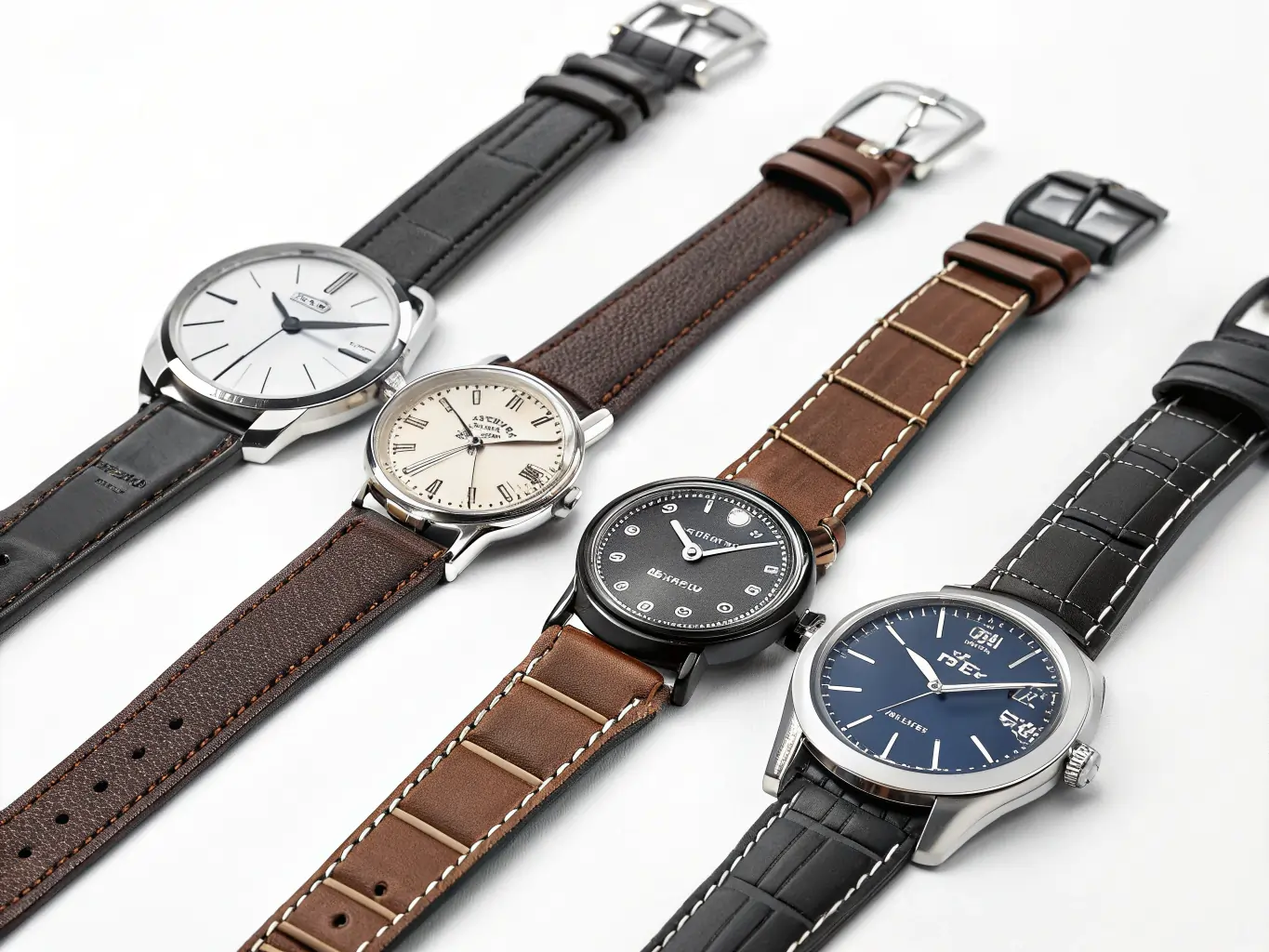
Your daily activities should guide your watch selection more than fleeting fashion. Formal professional environments typically call for refined dress watches with slim profiles and leather straps, whilst active lifestyles demand solid sports watches with water resistance and durable bracelets. Travel enthusiasts might prioritise GMT complications for tracking multiple time zones, and those splitting time between activities often find versatile field watches bridge casual and smart-casual settings effectively. The boundaries between traditional mechanical watches and modern smartwatches continue blurring, with hybrid pieces offering analogue aesthetics alongside fitness tracking and notifications, which is appealing to those unwilling to sacrifice either functionality or classic design.
Case Size and Comfort
The oversized watch trend that dominated the past decade is reversing. Contemporary preferences favour more proportionate case sizes, typically between 36mm and 40mm, which suit a broader range of wrist sizes whilst feeling less obtrusive during daily wear. Demand for smaller watches increased throughout last year, reflecting renewed appreciation for balanced proportions. Smaller cases also align with vintage aesthetics that many collectors admire. When trying watches, make sure the lugs don’t overhang your wrist and that the overall presence feels comfortable instead of conspicuous because a watch you forget you’re wearing often proves the best daily companion.
Materials and Sustainability
Environmental consciousness influences watch purchases, with manufacturers responding through innovative material choices. Recycled stainless steel, responsibly sourced precious metals, and straps made from plant-based alternatives or recycled ocean plastics now feature prominently across price points. An estimated 72% of UK luxury goods buyers now consider sustainability credentials when making purchases. British watchmakers have particularly embraced transparency about component sourcing and manufacturing processes, appealing to consumers wanting traceable provenance. These considerations needn’t compromise aesthetics or performance and sustainable watches match traditional counterparts in both durability and design sophistication.
Vintage and Pre-Owned Market
The pre-owned watch sector thrives in the UK, driven by appreciation for heritage craftsmanship and the compelling value proposition compared to new retail prices. Established brands maintain strong resale values, whilst certified pre-owned programmes provide authentication and warranties that address buyer concerns. Vintage pieces offer distinctive character and proven longevity that new watches can’t replicate. Second-hand Omega watches exemplify this market’s appeal, combining significant horological history with accessible luxury pricing, and many examples come fully serviced with certification, making them sensible choices for collectors prioritising both quality and value. Pre-owned purchasing also represents the ultimate sustainability, extending existing timepieces’ lifespans instead of consuming new resources.
Choosing your ideal watch style needs an honest assessment of how you’ll actually wear it, consideration of materials aligning with your values, and recognition that pre-owned options often deliver superior value without compromising quality or prestige.