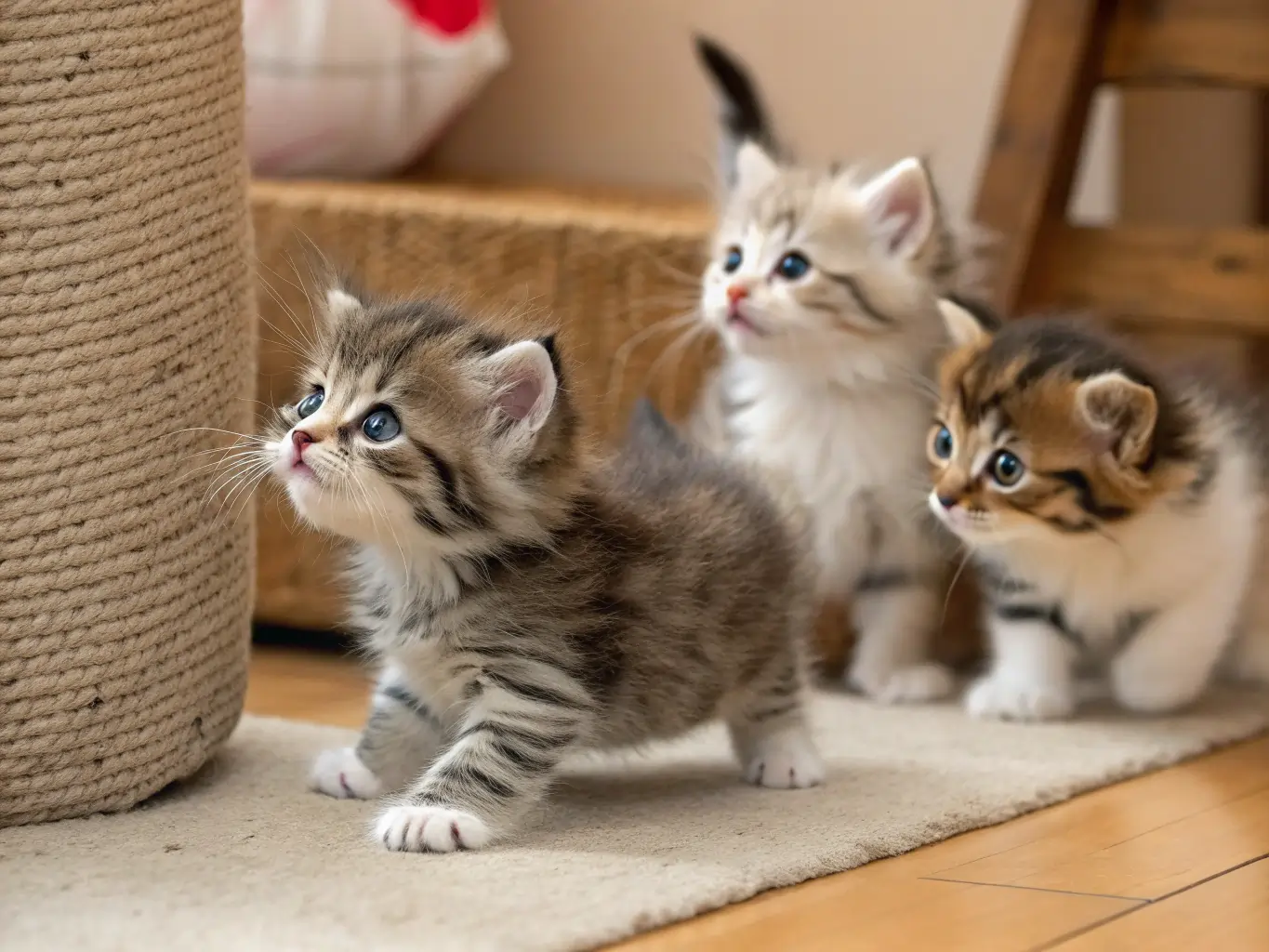
If you’ve ever seen a kitten that looks like it was designed by a cartoonist, chances are it was a Munchkin kitten. With their adorably short legs and curious expressions, these cats have a way of stopping people mid-scroll. But there’s more to them than just their looks.
What Makes Them Unique
Munchkin kittens are best known for their short legs, caused by a natural genetic mutation. Think of them as the dachshunds of the cat world. Despite their size, they’re fast, agile, and surprisingly athletic.
Why They’re So Popular
Their teddy-bear appearance mixed with a lively personality makes them social-media favorites. Add in their affectionate nature, and it’s easy to see why cat lovers fall head over heels.
The Origin of Munchkin Kittens
How the Breed Began
The Munchkin breed gained attention in the early 1990s, though short-legged cats had been documented long before that. Breeders noticed these cats were healthy and thriving, which sparked interest in developing the breed.
Natural Genetic Mutation Explained
The short legs come from a dominant gene affecting bone growth. Importantly, it doesn’t impact the spine like similar traits do in some dog breeds.
Physical Characteristics
Short Legs, Normal Bodies
Munchkin kittens have legs about one-third shorter than average cats, but their bodies are otherwise normal. They can run, jump (just not as high), and play like any other kitten.
Coat Colors and Patterns
From solid black to calico, tabby to colorpoint, Munchkins come in nearly every coat pattern imaginable. They can have short or long fur, adding even more variety.
Personality and Temperament
Playful and People-Oriented
These kittens are little bundles of energy. They love interactive toys, chasing laser dots, and following their humans around like shadows.
Compatibility With Families and Pets
Munchkin kittens tend to get along well with children, dogs, and other cats. Their friendly nature makes them great companions in busy households.
Health and Care Needs
Common Health Concerns
Generally healthy, Munchkins may be prone to lordosis (spinal curvature) or joint issues, though responsible breeding reduces these risks.
Exercise and Mobility
They might not leap onto the highest shelf, but they’ll find creative ways to climb. Ramps and low platforms help keep them active.
Grooming and Nutrition
Coat Care Basics
Short-haired Munchkins need minimal grooming, while long-haired ones benefit from weekly brushing to prevent tangles.
Feeding for a Healthy Life
A balanced, high-quality diet keeps their weight in check, which is especially important for their joints.
Are Munchkin Kittens Right for You?
Lifestyle Considerations
If you want a playful, affectionate cat that enjoys attention, a Munchkin kitten could be a perfect match.
Ethical Breeding Concerns
Always choose reputable breeders who prioritize health over appearance. Adoption is also a wonderful option.
Conclusion
Munchkin kittens may have short legs, but their capacity for love is enormous. With proper care and ethical breeding, they make delightful companions that bring joy, laughter, and plenty of adorable moments into any home.