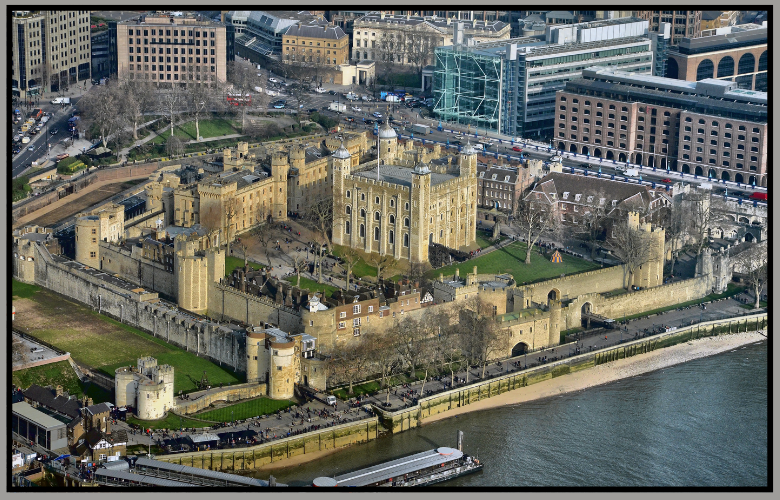
One of the most famous historic sites in Britain is the tower of London owing to its association with the monarchy and some of the finest buildings from the medieval times. Located on the banks of the river Thames, the unique building has served many purposes in the history of the United Kingdom as a royal palace, a military fortress, treasury, jail, and ceremonial site. Some of the sights that tourists can visit within the tower are the White Tower, the famous Crown Jewels, stories of the Yeoman Warders, and some of the prisoners who made history within the tower. Planning can be of great benefit in ensuring that one makes the visit even more fun by taking into account factors like operating hours, latest hours of entry, length of stay, and quietest days.
How the Tower Was Built as a Norman Fortress
The history of the fortress began after William the Conqueror established Norman control over England. Construction of the White Tower began around 1078 and created an imposing stone stronghold overlooking the Thames. Its size and position demonstrated royal authority as well as providing an important defensive base. The White Tower remains the architectural heart of the wider complex and is one of the finest surviving examples of Norman military architecture in England.
The site developed significantly under later monarchs. Henry III and Edward I expanded the defensive walls, added towers and improved the surrounding moat. Over the centuries, the complex became much more than a military stronghold. It served as a royal residence, prison, armoury, treasury and Royal Mint, while the royal menagerie once housed exotic animals. This mixture of military, royal and everyday functions explains why the castle has such a varied historical character.
The Dark History of London’s Famous Fortress
The darker history of the fortress is one of its most fascinating aspects. It became associated with imprisonment, political conflict, executions and royal intrigue, although its reputation as a place of punishment is only one part of its long story. Famous figures connected with the site include Anne Boleyn, Lady Jane Grey, Elizabeth I, Sir Walter Raleigh and Guy Fawkes. Their stories help visitors understand the political tensions that shaped different periods of British history.
The Princes in the Tower remain at the centre of one of Britain’s most famous historical mysteries. Edward V and his younger brother Richard were taken to the fortress in 1483 and later disappeared from the historical record. Their ultimate fate remains debated, with different theories continuing to attract historians and visitors. Other stories involving prisoners, executions and alleged supernatural activity have contributed to the dramatic atmosphere surrounding the buildings.
Crown Jewels, White Tower and Main Things to See
The Crown Jewels are among the most important attractions and contain more than 100 objects decorated with thousands of precious gemstones. The collection includes famous coronation regalia and pieces associated with centuries of royal tradition. Visitors can see objects that continue to play an important role in British ceremonial life while learning about the history behind their use and protection.
The White Tower provides another essential part of the experience. Its massive walls, medieval architecture and historical displays demonstrate the original importance of the royal stronghold. Visitors can also explore other towers, defensive areas and exhibitions, while Yeoman Warder tours provide stories about imprisonment, executions, royal personalities and daily life. The famous ravens are another feature that has become closely associated with the site.
Opening Times, Last Entry and the Best Time to Visit
Opening times vary depending on the date, so checking the official schedule before travelling is important. Current October 2026 information shows opening times ranging from 9:00am to 10:00am, with the buildings generally closing at 5:30pm. The published last entry is currently 4:30pm, while the final Yeoman Warder guided tour is listed at 3:15pm. Individual dates can have different arrangements or temporary closures.
The best time to visit is often after midday if avoiding the largest crowds is your priority. Official visitor guidance states that afternoons can be quieter, while allowing two to three hours is recommended for a good overall experience. Arriving well before the final admission time is advisable because entering near closing leaves limited opportunity to explore the major attractions.
How Long to Visit and How to Plan Your Day
Most visitors should allow around two to three hours for a worthwhile experience. This gives enough time to see the Crown Jewels, explore the White Tower, walk through important areas and join a Yeoman Warder tour. People with a strong interest in British history may want to spend longer because there are numerous displays and stories to discover throughout the complex.
A little preparation can make the day much more comfortable, especially during weekends and school holidays. Visitors should allow time for queues, walking between buildings and exploring at their own pace.
- Allow at least two to three hours for the main attractions.
- Arrive comfortably before the final admission time.
- Check opening hours for the exact date of your visit.
- Wear comfortable shoes because there is considerable walking.
- Consider joining a Yeoman Warder tour for additional historical context.
- Leave extra time during busy periods and school holidays.
Night Tours, Special Events and the Medieval Atmosphere
Searches for a tower of london night tour are common because the fortress has a powerful association with ghosts, prisoners, executions and mysterious historical stories. However, standard admission is primarily a daytime experience rather than a regular nightly sightseeing tour. Special evening experiences and ceremonies can be offered separately, so visitors interested in seeing the site outside normal hours should check the programme for their chosen date.
The atmosphere can feel particularly dramatic even during ordinary daytime visits. Narrow passages, ancient stone walls, medieval towers and historic prison areas create a strong sense of the past. Seasonal events can also offer different ways to experience the site’s darker reputation. In October 2026, for example, a Halloween event is scheduled from 24 October to 1 November, offering themed activities during the daytime.
- Also Read. Letitia Wright Life and Acting Career
Frequently Asked Questions
What is the best time to visit?
Afternoons after midday can be quieter according to official visitor guidance. However, arriving earlier gives you more time to explore and can be useful if you want to see several major attractions.
How long should you spend there?
Two to three hours is a sensible minimum for a general visit. Visitors who enjoy history, architecture and museums may prefer to spend considerably longer.
What is the last entry time?
Current published information lists last entry at 4:30pm for the relevant October 2026 dates, with the buildings closing at 5:30pm. Times can change, so checking the schedule before travelling is recommended.
Is there a regular night tour?
There is not normally a standard nightly tour included with ordinary admission. Special events, ceremonies and evening experiences may take place on selected dates and can have separate booking requirements.
Why is the castle famous?
Its importance comes from centuries of royal, military and political history. It has served as a fortress, palace, prison, treasury and armoury, while its famous prisoners and Crown Jewels have made it one of Britain’s best-known historic attractions.
When was the White Tower built?
Construction began around 1078 under William the Conqueror and continued into the early 12th century. Later monarchs expanded the surrounding fortress considerably.
Is it worth visiting?
Yes. The combination of medieval architecture, royal history, Crown Jewels, Yeoman Warder tours and fascinating historical stories makes it one of the most distinctive attractions in London.
Conclusion
Touring this historical castle in London provides a once-in-a-lifetime experience of the rich history of Britain spanning about a millennium. Starting from the majestic White Tower to the Crown Jewels, every bit of the site tells a different story. Some prior planning can enhance the tour experience by finding out information regarding the opening hours, latest entry time and other relevant information before coming over. It is recommended that at least two to three hours are spent in order to tour the castle thoroughly without feeling pressured. Tours during afternoons can be less crowded, as per the visitor guidelines provided officially.