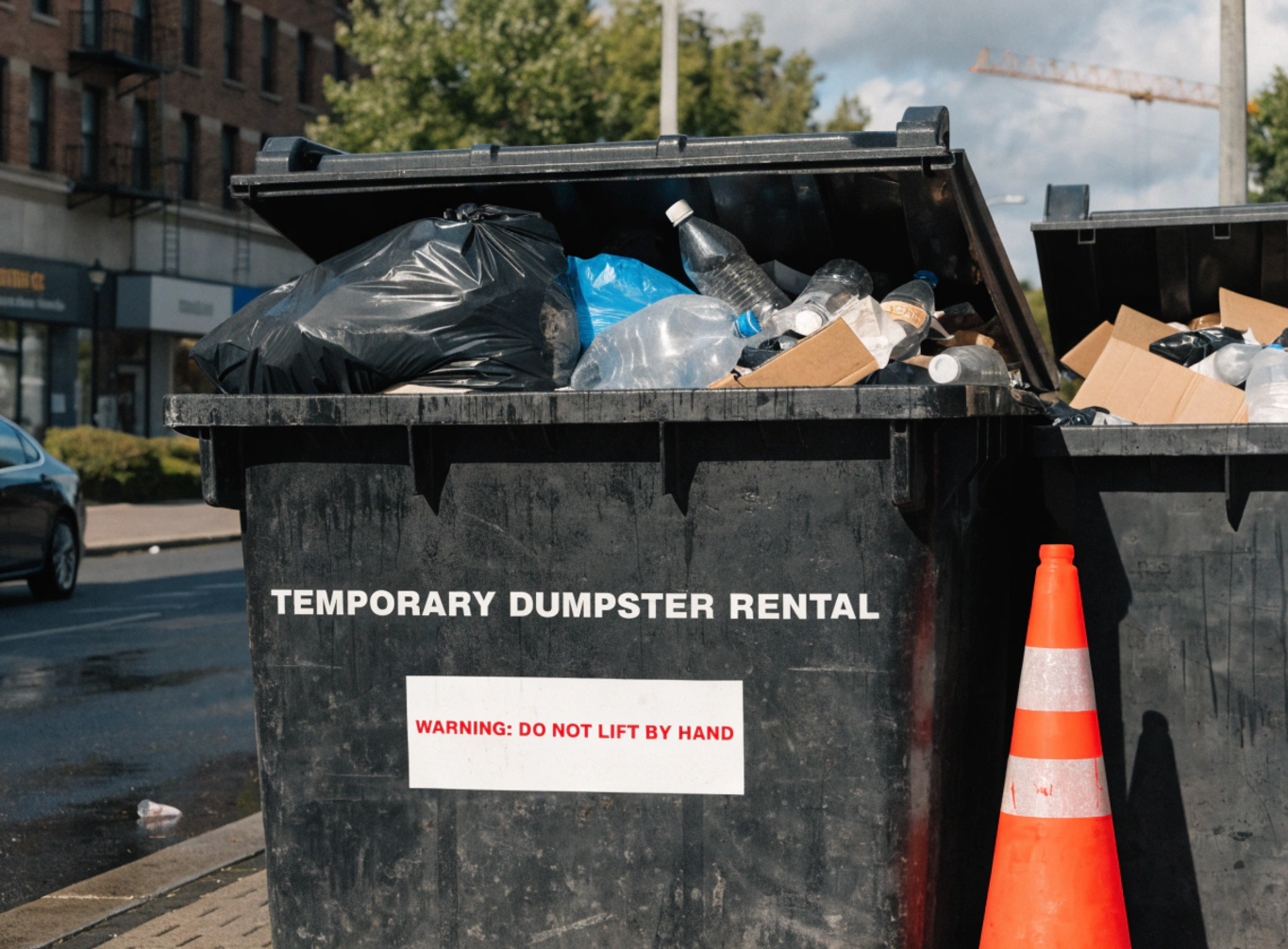
Construction sites generate a wide range of materials during demolition, renovation, and new builds. Wood, drywall, packaging, metal scraps, and insulation often enter the waste stream throughout the course of a project. Managing these materials efficiently is an important part of maintaining an organized and compliant jobsite.
However, one issue that can complicate waste removal operations is load contamination. Load contamination occurs when materials that should not be mixed together end up in the same disposal container. This can affect how debris is handled at disposal facilities and may create delays, additional sorting requirements, or rejected loads.
For construction managers coordinating debris removal, understanding how load contamination occurs and how it affects temporary dumpster rentals is essential. Proper planning helps ensure that waste is handled smoothly from the jobsite to the final disposal destination.
What Load Contamination Means in Construction Waste
Load contamination refers to the presence of materials in a dumpster that are not compatible with the expected waste stream for that container. When incompatible materials are mixed together, disposal facilities may require additional processing before accepting the load.
Construction waste streams often include materials such as:
- Wood and framing debris
- Drywall and plaster
- Roofing materials
- Flooring and tile
- Packaging materials
While many of these materials can be disposed of together in standard construction waste containers, certain items require separate handling or special disposal procedures.
When those materials are mixed with general debris, the entire load may be affected.
How Contamination Happens on Construction Sites
Load contamination often occurs unintentionally during busy construction phases. Multiple crews working simultaneously may dispose of materials without coordinating which items belong in specific containers.
For example, demolition teams may load drywall, flooring, and wood debris into a container while other crews dispose of packaging or insulation in the same location.
If the container is not monitored, incompatible materials can enter the load.
Common situations that lead to contamination include:
- Workers using the nearest container without verifying its intended use
- Subcontractors unfamiliar with jobsite disposal guidelines
- Containers filling quickly during demolition phases
- Limited space causing crews to combine materials in one location
These issues typically arise when waste management is not clearly organized at the jobsite level.
Why Disposal Facilities Monitor Contamination
Disposal facilities operate under specific handling procedures for different types of waste. Some materials can be processed easily in mixed construction debris streams, while others require separate handling or specialized processing.
When contaminated loads arrive at disposal facilities, operators may need to inspect or separate materials before processing them.
In some cases, loads that contain incompatible materials may need to be redirected to alternative facilities or processed differently.
These adjustments can affect hauling schedules and may require additional coordination between waste service providers and construction managers.
Understanding these processes helps contractors plan debris management more effectively.
The Role of Temporary Dumpsters in Waste Organization
Temporary dumpsters provide a centralized disposal point for construction debris throughout a project. When used effectively, they help maintain jobsite organization and allow debris to be removed regularly as work progresses.
However, dumpsters are most effective when crews understand how they should be used.
Construction managers often assign specific containers for different waste streams during larger projects. For example, one container may be designated for general demolition debris while another may handle packaging materials or specific construction components.
Organizing disposal zones helps reduce the risk of contamination.
Clear guidelines for container usage also help crews maintain consistent disposal practices.
Demolition Phases and Contamination Risk
Interior demolition phases tend to produce mixed debris streams quickly. Walls, flooring, cabinetry, and fixtures are often removed simultaneously, and debris can accumulate rapidly inside the structure.
During these phases, workers may focus primarily on removing materials quickly rather than separating them carefully.
As a result, demolition stages often present the highest risk for load contamination.
Maintaining clear disposal routes from interior work areas to exterior dumpsters helps reduce confusion and ensures that materials are placed in the appropriate containers.
Supervising container usage during heavy demolition phases helps keep waste streams organized.
Packaging Waste and Construction Debris
Packaging materials from construction deliveries represent another common source of contamination. Cardboard boxes, plastic wrap, foam inserts, and protective materials often arrive alongside building products such as appliances, cabinetry, or flooring.
If packaging debris is placed in the same container as heavy demolition materials, it can complicate processing at disposal facilities.
Separating packaging materials when possible helps maintain a cleaner construction debris load.
This practice also keeps staging areas organized for future material deliveries.
Managing packaging waste effectively reduces confusion at both the jobsite and the disposal facility.
Communicating Waste Guidelines to Jobsite Crews
Clear communication plays an important role in preventing load contamination. Construction managers should establish disposal guidelines early in the project and communicate them to all crews and subcontractors.
These guidelines may include:
- Identifying which containers are designated for specific materials
- Posting visible signs near disposal areas
- Briefing subcontractors during jobsite orientation
- Monitoring containers during heavy demolition phases
When workers understand how waste should be sorted, contamination issues are less likely to occur.
Consistent communication supports better debris management throughout the project.
Coordinating with Waste Service Providers
Waste service providers can assist construction managers in selecting the appropriate containers for a project and explaining how different materials should be handled.
Working with providers such as Temporary Dumpster helps ensure that construction teams understand the disposal expectations associated with each container.
Service providers can also help coordinate pickup schedules and container swaps when debris volumes increase.
Maintaining open communication with waste service providers allows construction managers to address contamination concerns quickly if they arise.
This collaboration helps keep debris removal operations running smoothly.
Managing Multiple Containers on Larger Projects
Large construction sites often use multiple dumpsters to manage different waste streams. This approach reduces the risk of contamination by allowing crews to separate materials more effectively.
For example, a site may designate:
- One container for general construction debris
- Another container for demolition materials
- Additional containers for packaging or specialty waste
Separating containers across the jobsite provides clear disposal options for workers.
When crews know which container to use, contamination issues become easier to prevent.
Proper container placement also improves jobsite organization and reduces debris handling time.
Monitoring Containers During Active Work
Even with clear guidelines, containers should be monitored periodically throughout the project. Construction environments change quickly, and debris patterns may shift as new phases of work begin.
Regularly checking containers helps construction managers identify contamination early before it becomes a larger issue.
If inappropriate materials appear in a container, adjustments can be made immediately by reminding crews of disposal guidelines.
Proactive monitoring helps maintain organized waste streams.
This approach ensures that debris removal continues without unnecessary disruptions.
Benefits of Organized Waste Streams
Preventing load contamination benefits construction projects in several ways. Organized waste streams allow debris to move through disposal processes more efficiently, reducing delays during hauling and processing.
Clear waste separation also helps maintain cleaner jobsites, which supports worker safety and operational efficiency.
Additionally, consistent waste management practices make it easier for construction managers to estimate debris volumes and coordinate container pickups.
These advantages contribute to smoother project execution.
Effective waste planning helps ensure that debris removal supports the construction process rather than interfering with it.
Load contamination is a common challenge in construction waste management, particularly on busy jobsites where multiple crews are generating debris simultaneously. When incompatible materials are mixed together in a temporary dumpster, disposal processes can become more complicated and may require additional coordination.
For construction managers, preventing contamination begins with clear planning, communication, and jobsite organization. Designating containers for specific waste streams, educating crews about disposal guidelines, and monitoring containers throughout the project help maintain cleaner and more manageable debris loads.
By understanding how load contamination affects temporary dumpster rentals, construction professionals can improve waste management practices and keep debris removal aligned with the pace of the project.